Department
Recipes
 Eat Better
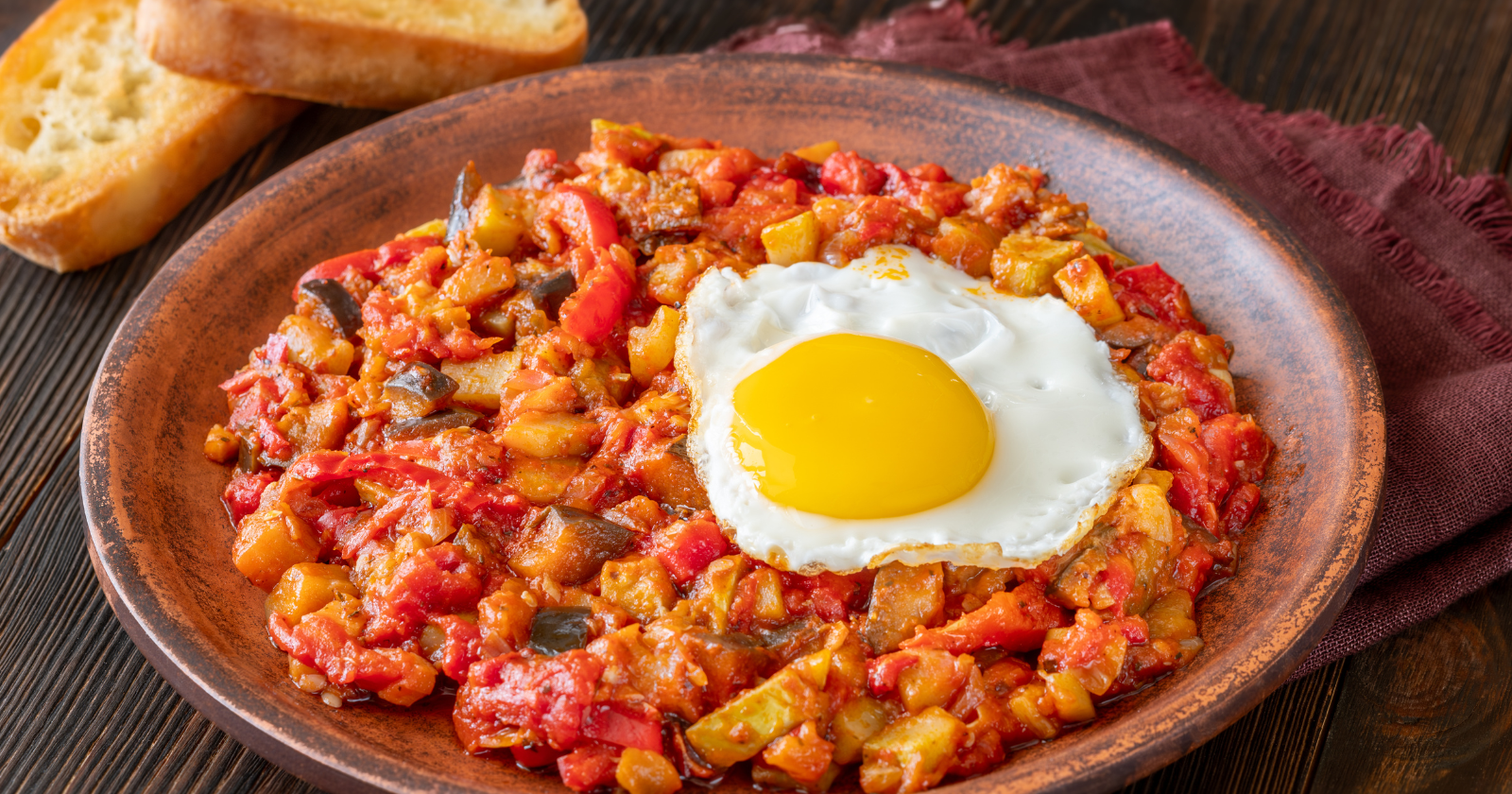
How a humble Spanish dish made me fall in love with vegetables
After 26 years of pushing vegetables around my plate, it took a slow-cooked pot of pisto in southern Spain to change my…
 Eat Better
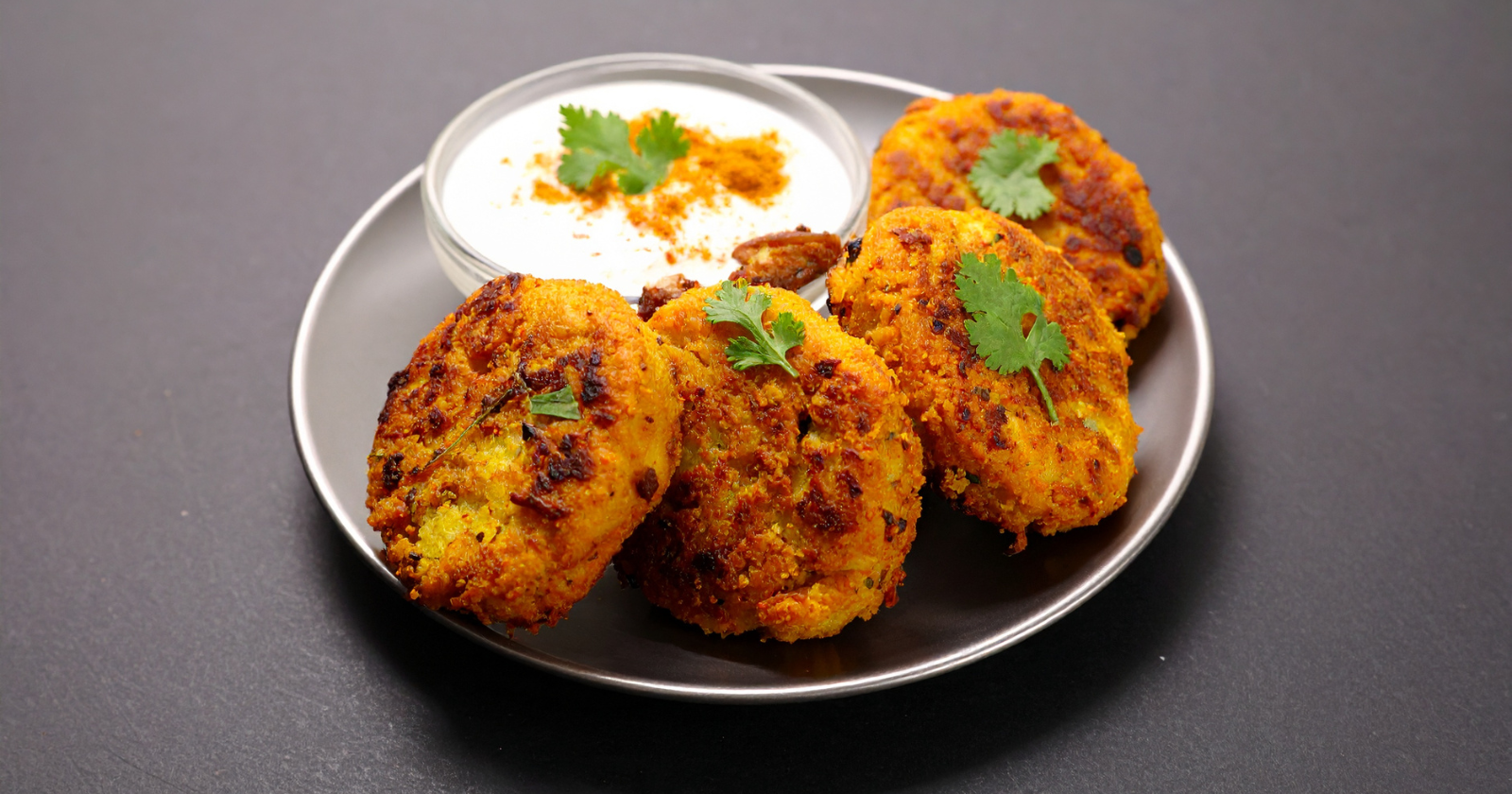
These garlicky white bean patties are crispy outside, creamy inside
Crispy, creamy, garlicky white bean patties that turn pantry staples into a satisfying, sustainable meal with big flavor and minimal fuss.
 Eat Better
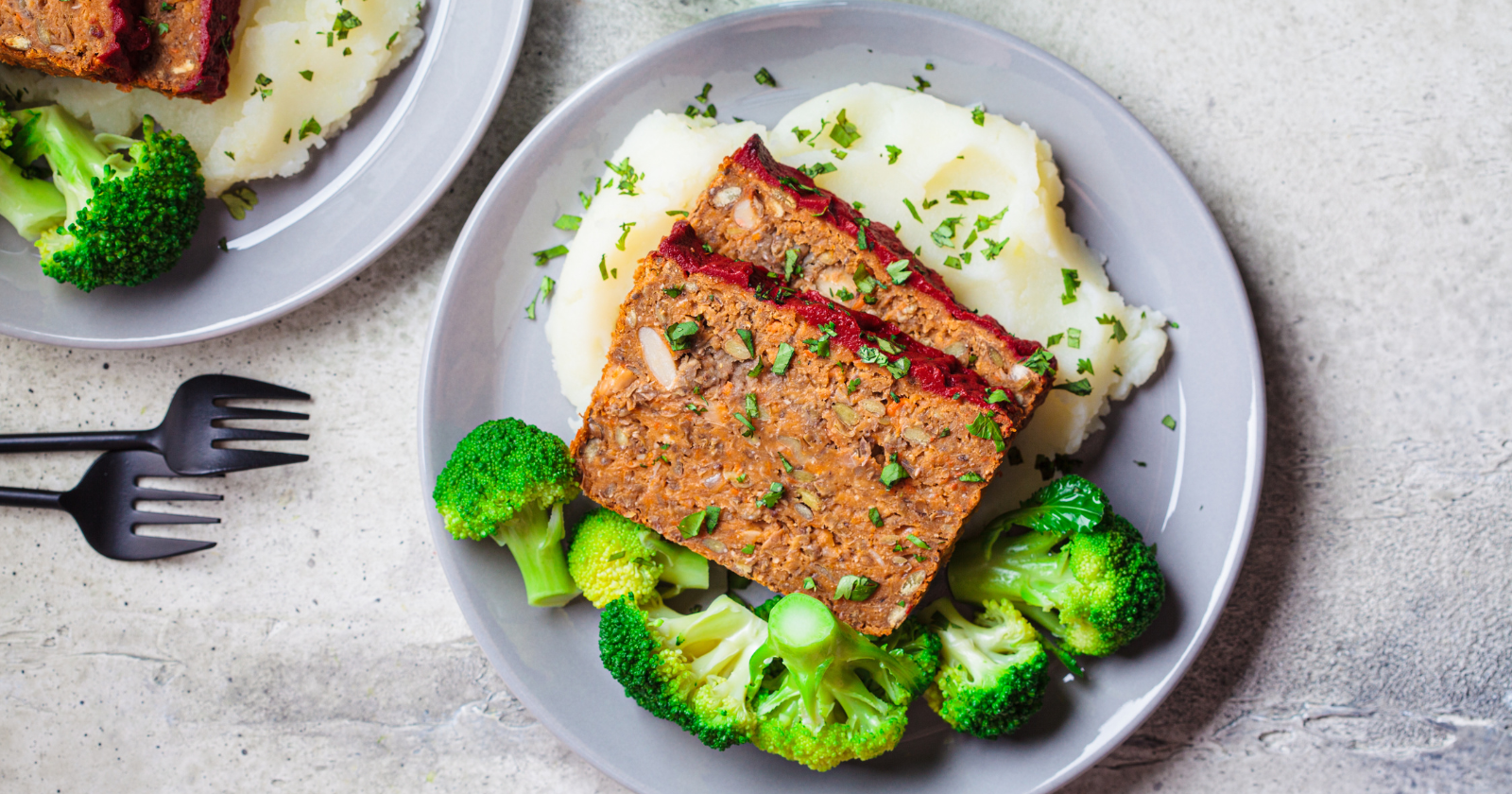
4 nostalgic vegan recipes that taste exactly like Sunday dinner at Grandma’s
Four comforting classics, reimagined with a plant-based twist that keeps all the warmth, flavor, and nostalgia of Grandma’s Sunday table.
 Eat Better
5 no-fuss vegan dinners I keep making every single week
Simple, satisfying, and endlessly repeatable. These plant-based dinners prove that less effort can still mean more flavor.
 Eat Better
3 vegan recipes that feel like a warm hug from someone who loves you
These cozy plant-based dishes bring warmth, comfort, and care to your table, just like a homemade hug in every bite.
 Eat Better
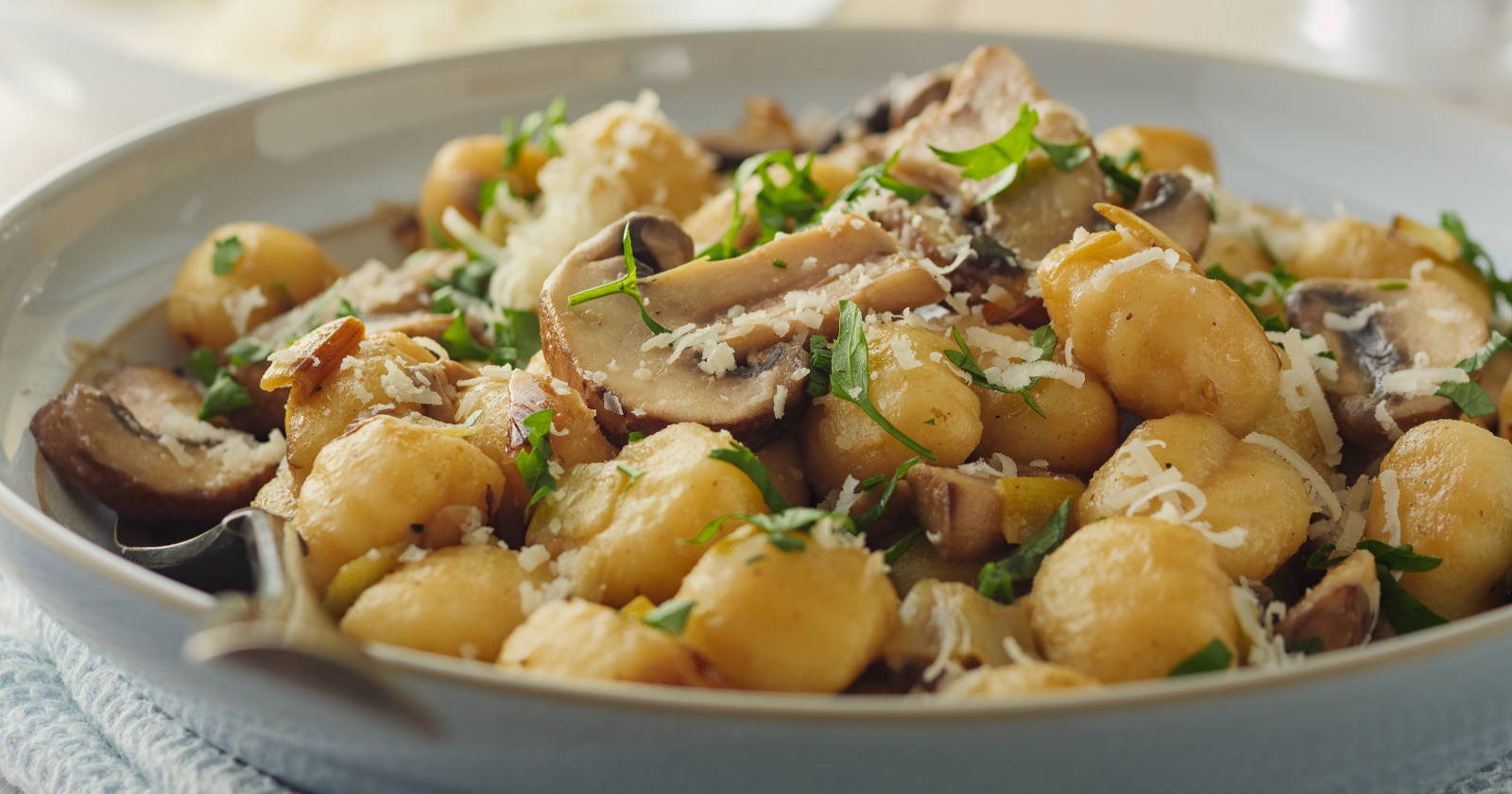
These pillowy plant-based gnocchi in garlic butter sauce are dangerously good
Soft, golden gnocchi tossed in vegan garlic butter, finished with mushrooms and herbs. Comfort food that tastes like a weekend getaway to…
 Eat Better
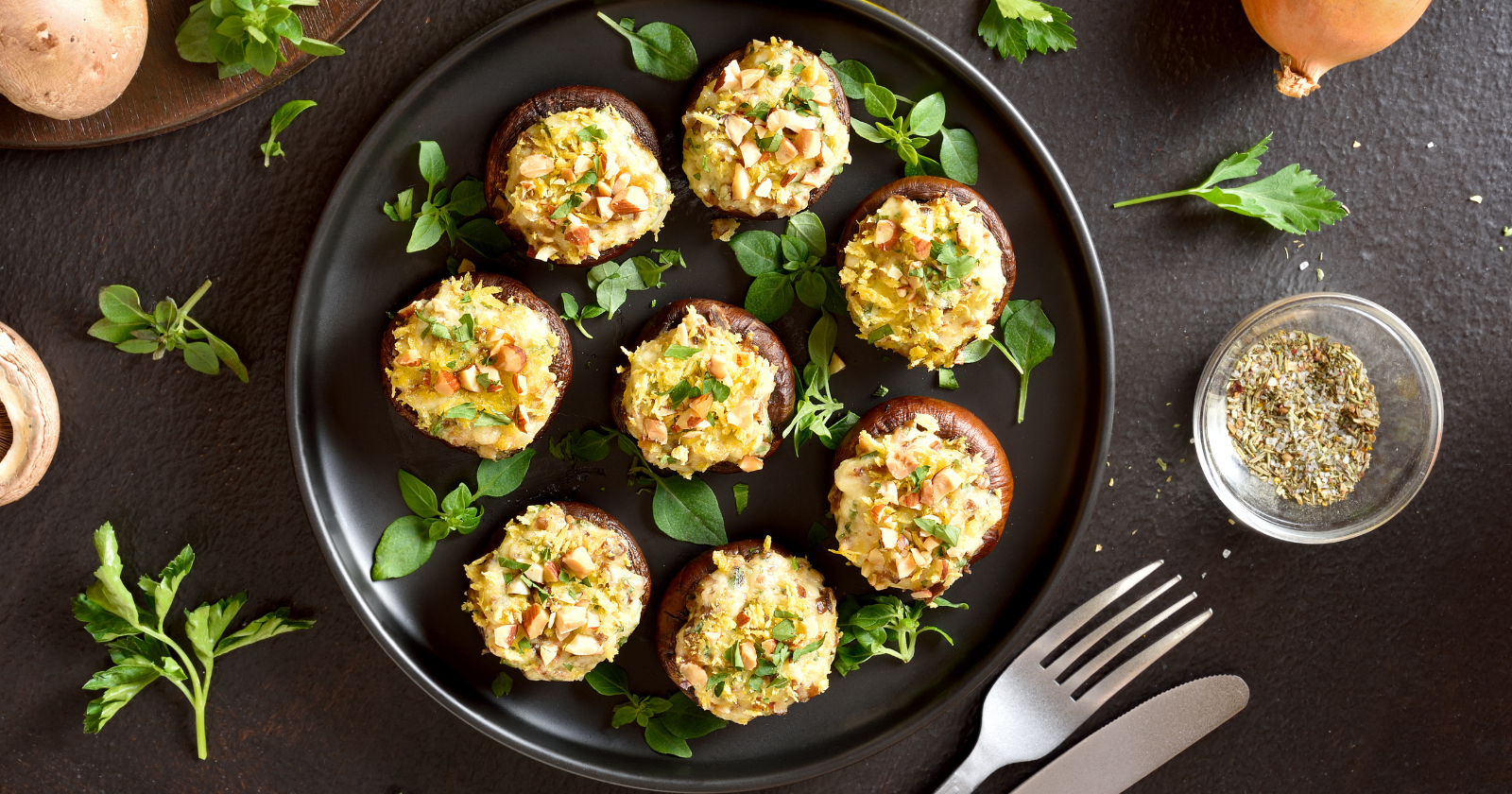
These bite-sized stuffed mushrooms will vanish in seconds
Small, golden, and packed with umami, these plant-based stuffed mushrooms prove that the best party food disappears the fastest.
 Eat Better
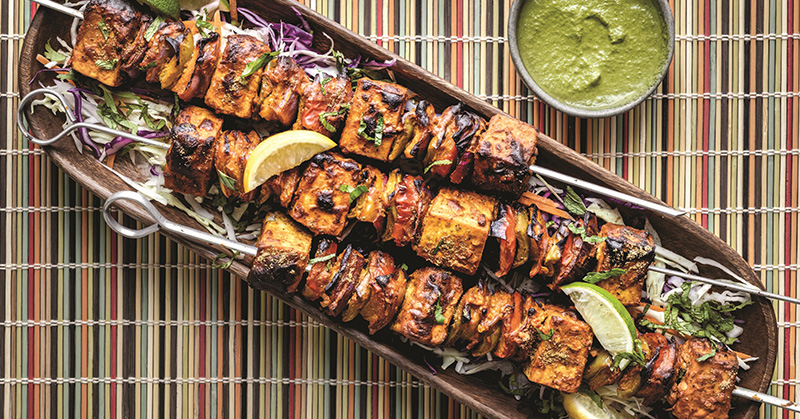
Tofu Tikkā Recipe
Tikkā is a northern Indian dish involving marinated protein or vegetables cooked in a tandoor, or clay oven. My version is made…
 Eat Better
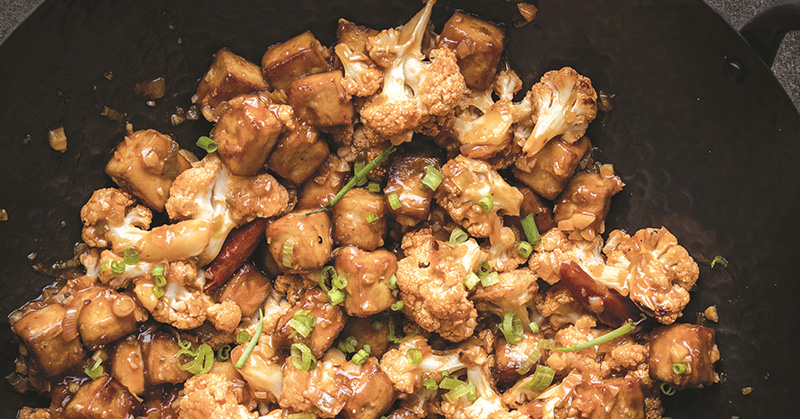
Chili Cauliflower and Tofu Recipe
There’s no question that Indo-Chinese cuisine is adored across India and abroad for its tangy, salty, and spicy flavors. This dish of…
 Eat Better
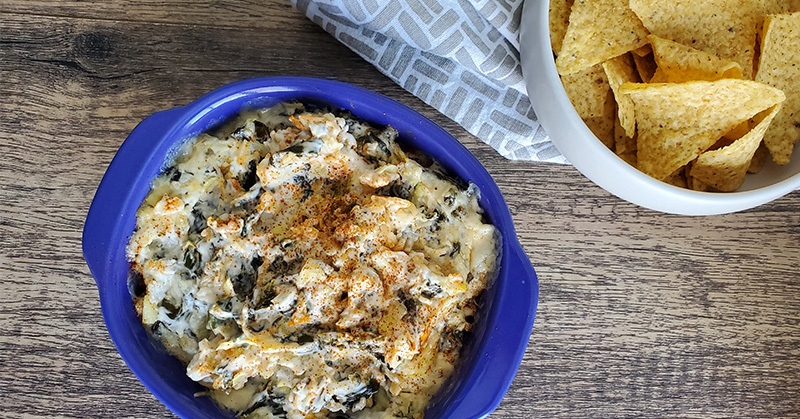
Vegan Spinach Artichoke Dip Recipe
This vegan take on a classic appetizer is your new go-to dish for parties and gatherings. Packed with spinach, artichokes, onions, and…
 Eat Better
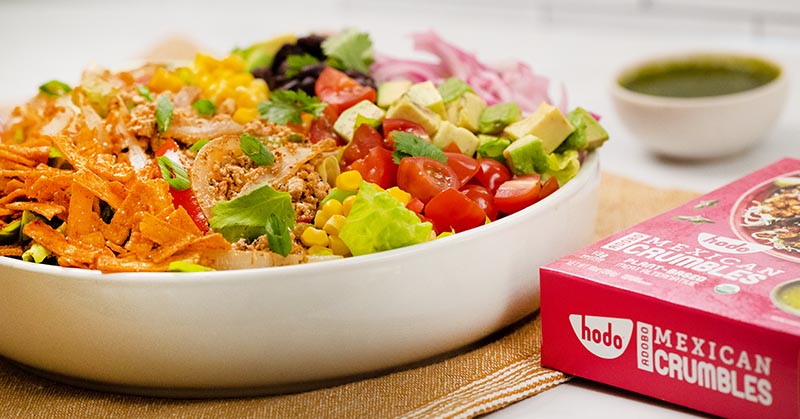
Vegan Loaded Taco Salad Recipe
This Loaded Taco Salad is a fresh take on a Tex-Mex classic. Made with Hodo Adobo Mexican Crumbles, pickled red onions, and…
 Eat Better
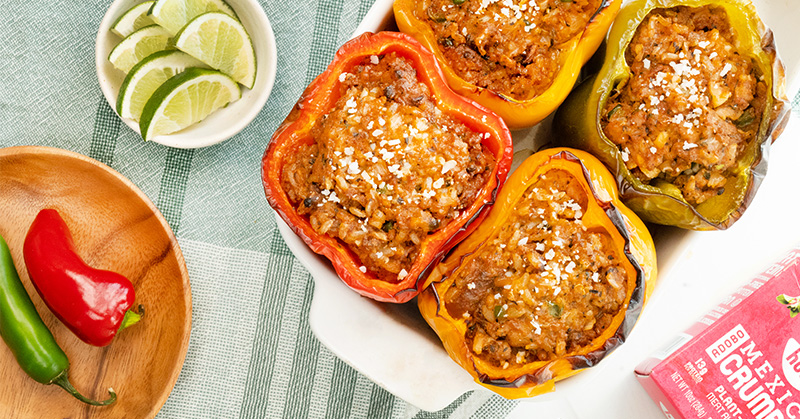
Cheesy Vegan Beef-Stuffed Peppers Recipe
These cheesy vegan beef-stuffed peppers are bringing major comfort food vibes. Overflowing with Hodo Adobo Mexican Crumbles and melty plant-based cheese, what’s…
 Eat Better
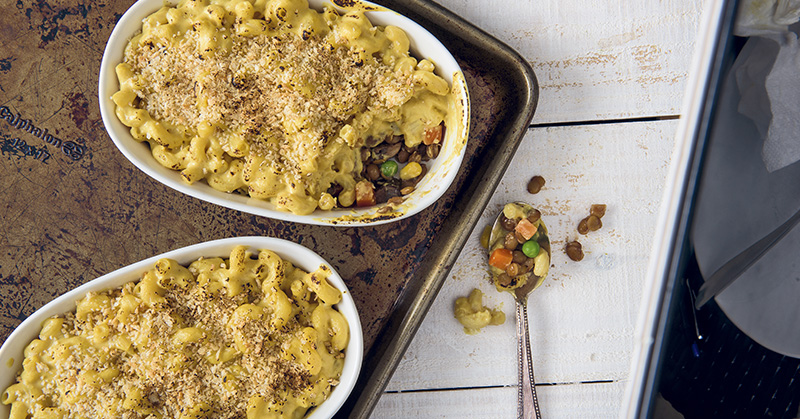
Vegan Mac & Cheese Shepherd's Pie Recipe
If you enjoy both shepherd’s pie and mac 'n' cheese, chances are you’ll love this nontraditional union of the two in one…
 Eat Better
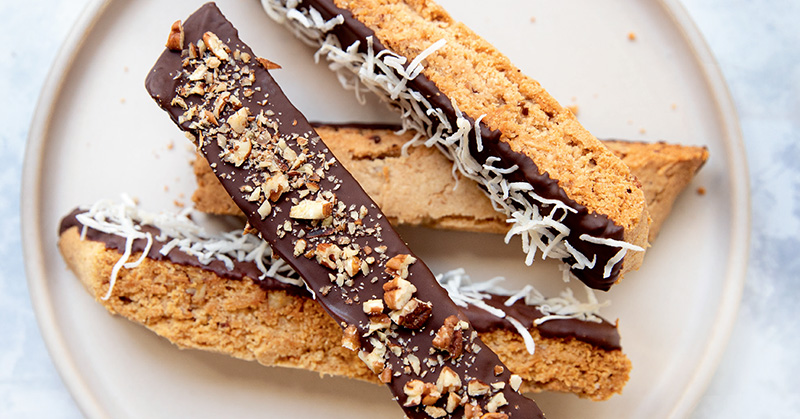
Gluten-Free Vegan Coconut Pecan Biscotti Recipe
I’m so proud of myself for nailing a vegan and gluten-free biscotti that’s light, crisp, and buttery and won’t break your teeth.…
 Eat Better
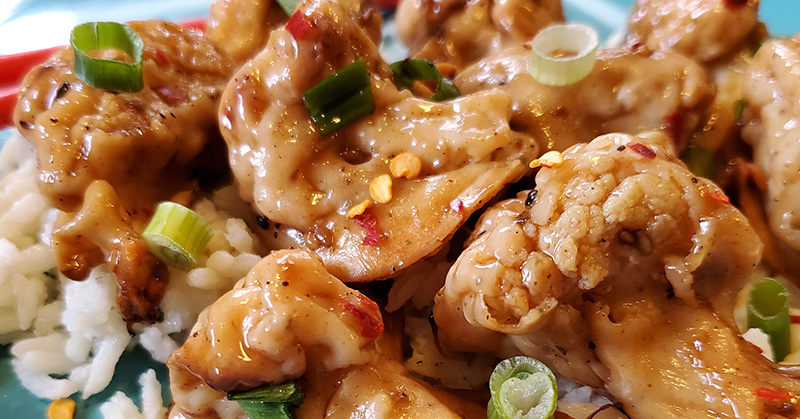
Baked Teriyaki Cauliflower Wings Recipe
Cauliflower is the one veggie we cannot stop cooking with. It’s the glow-up of the century, and we are here for it!…
 Eat Better
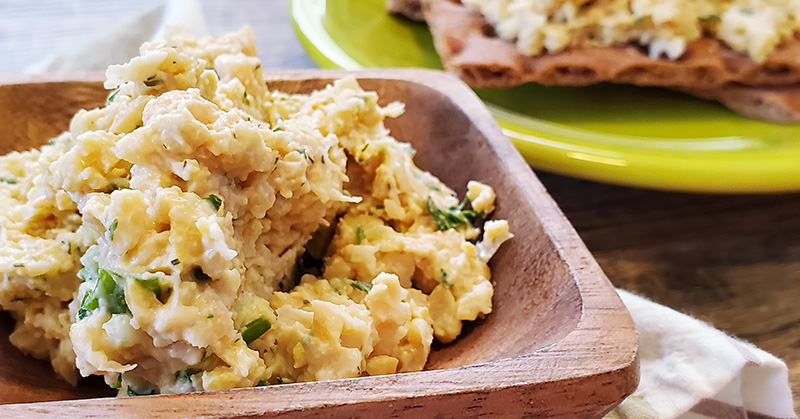
Easy Vegan Chickpea “Tuna” Salad Recipe
This easy vegan chickpea salad is rich in protein, fiber, flavor, and versatility. Made from plant-based pantry staples, this salad can be…
 Eat Better
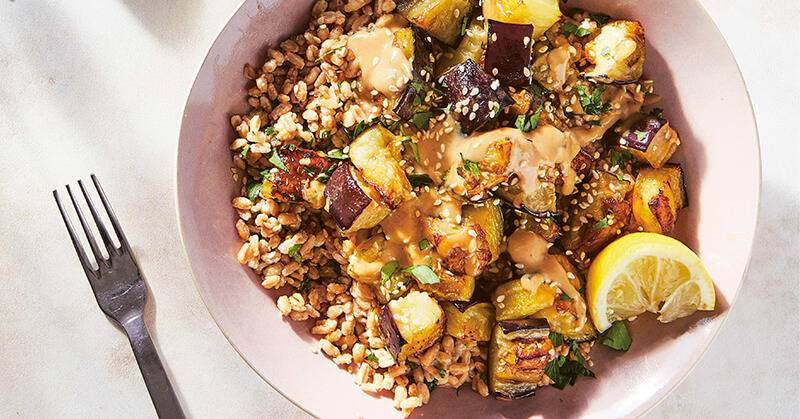
Vegan Miso-Tahini-Glazed Roasted Eggplant with Farro Recipe
I roast the eggplant, here, with olive oil so that it becomes soft and tender, which makes for a nice contrast to…
 Eat Better
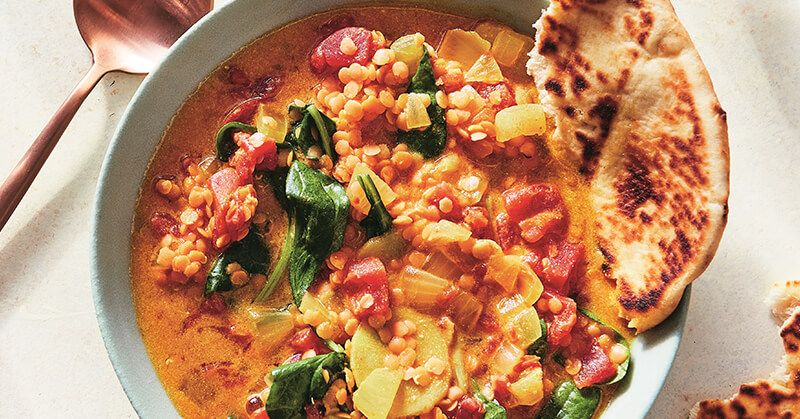
The Best Vegan Dal Ever
This is my go-to dal. It’s creamy from the coconut milk, tangy from the lemon. It pulls sweetness from the tomatoes and…
 Eat Better
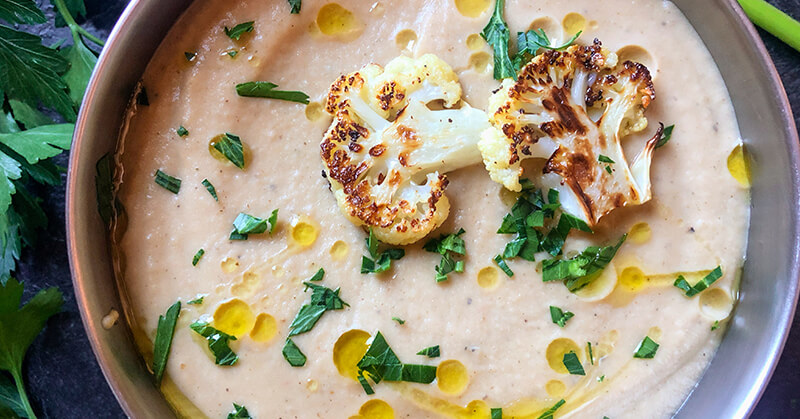
Easy Vegan Roasted Cauliflower Soup Recipe
I love this soup because it’s creamy, savory and so easy to make. It’s hearty, healthy, and comforting. The creaminess of the…
 Eat Better
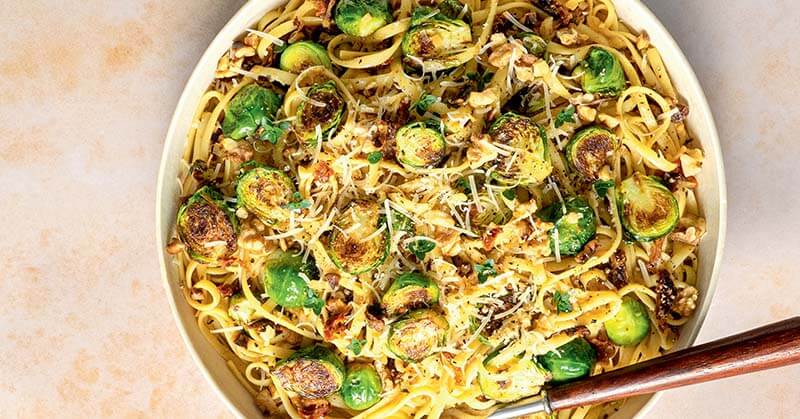
Easy Vegan Brussels Sprouts Pasta Recipe
This pasta has always been a tried-and-true go-to. I usually just eyeball the whole thing, so I’m glad it’s finally documented and…
Page 1 of 2