Curtis's call to strike "anti-aging" from our vocabulary isn't about giving up or letting go. It's about redirecting our energy toward growth rather than reversal, toward becoming rather than preserving.
When Jamie Lee Curtis declared, "This word 'anti-aging' has to be struck. I am pro-aging. I want to age with intelligence, and grace, and dignity, and verve, and energy," she voiced something I've been wrestling with since turning forty.
The beauty aisle at my local pharmacy tells a different story though. Row after row of serums promise to "reverse" time, "combat" wrinkles, "fight" aging. The language itself feels like we're preparing for battle, as if the natural progression of our lives is an enemy to defeat.
I found myself standing in that aisle last month, holding a jar that cost almost as much as my weekly groceries, wondering when exactly I'd internalized the message that my worth was inversely proportional to my laugh lines. A woman next to me, probably in her sixties, caught my eye and smiled. "They keep promising miracles," she said, gesturing at the shelves. She left empty-handed, and after a moment, so did I.
The pursuit of youth has become so normalized that questioning it feels almost radical. At 37, I left a six-figure finance job to pursue writing, and the number of people who asked if I was worried about "starting over so late" was staggering. As if life had an expiration date on new beginnings. As if growth and change were privileges reserved for the young. This mindset infiltrates everything, from career choices to relationships to how we move through the world.
What strikes me most is how this obsession with staying young actually ages us in ways that matter. The stress of constantly fighting time, the energy spent scrutinizing every new line, the money poured into treatments and procedures, all of it takes a toll. I think about the hours I've spent analyzing my reflection, time I could have spent learning Italian, perfecting my vegan cooking, or simply sitting with friends without mentally cataloging everyone's perceived flaws and fixes.
I started trail running at 28 as a way to manage work stress, and now, logging 20-30 miles weekly, I've noticed something interesting. The runners I admire most aren't the twenty-somethings sprinting past me. They're the sixty and seventy-year-olds who've been hitting these same trails for decades. Their bodies have changed, sure, but their joy in movement, their knowledge of every root and rock, their ease with themselves, that's what I want to grow into. They embody what Curtis means by aging with verve and energy.
And get this.Research seems to back this up suggesting that having a positive attitude about aging can actually help us to live longer. Yes you read that right; Yale psychologist and author Becca Levy led a study surveying 660 older Ohioans about their attitudes toward aging. Those with a more positive outlook went on to live, on average, 7.5 years longer.
Think about that. Our attitude toward aging might matter more than any serum or procedure. The stories we tell ourselves about getting older literally shape how we experience it.
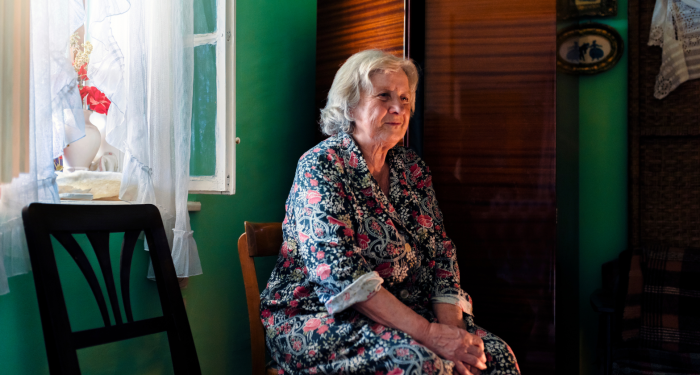
I've watched friends panic at thirty, mourn at forty, despair at fifty, always looking backward instead of forward. Meanwhile, older women I've met have told me their later decades were their favorite because they finally stopped caring what anyone thought. They traveled alone, took up new hobbies, wore whatever they felt like. They aged with the intelligence, grace, dignity, and verve that Curtis advocates for, not because they found the right anti-aging routine, but because they rejected the entire premise.
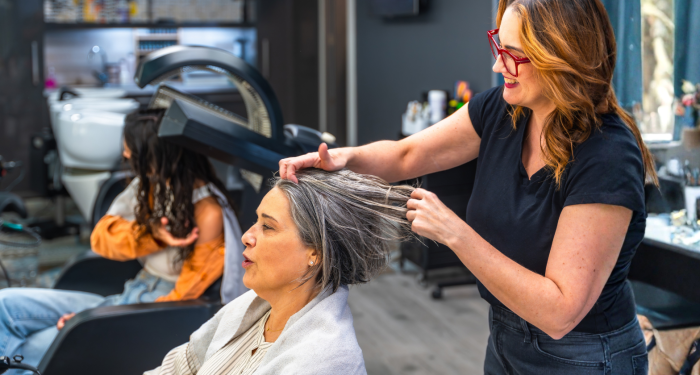
What would happen if we redirected all that anti-aging energy toward actually living? If instead of fighting crow's feet, we focused on seeing more sunrises worth squinting at? If instead of covering gray hair, we celebrated the experiences that earned each silver strand? The real tragedy isn't that we age. It's that we spend so much time fighting it that we forget to fully inhabit the years we have.
Curtis's call to strike "anti-aging" from our vocabulary isn't about giving up or letting go. It's about redirecting our energy toward growth rather than reversal, toward becoming rather than preserving. Every line on my face represents a decision made, a lesson learned, a moment of laughter or concern. To erase them would be to erase my history, and I'm finally understanding that my history is what makes me interesting, valuable, real. The alternative isn't staying young forever. It's aging with intention, with curiosity about who we're still becoming, with excitement for chapters yet unwritten. That's the kind of aging I want to lean into, wrinkles and all.
If You Were a Healing Herb, Which Would You Be?
Each herb holds a unique kind of magic — soothing, awakening, grounding, or clarifying.
This 9-question quiz reveals the healing plant that mirrors your energy right now and what it says about your natural rhythm.
✨ Instant results. Deeply insightful.

Avery White
Avery White is a writer and researcher who came to food and sustainability journalism through an unusual path. She spent a decade working as a financial analyst on Wall Street, where she learned to read systems, spot patterns, and think in terms of incentives and consequences. When she left finance, it was to apply those same analytical skills to something that mattered to her more deeply: the food system and its environmental impact.
At VegOut, Avery writes about the economics and politics of food, plant-based industry trends, and the intersection of personal health and systemic change. She brings a data-informed perspective to topics that are often discussed in purely emotional terms, while remaining deeply committed to the idea that how we eat is one of the most powerful levers individuals have for environmental impact.
Avery is based in Brooklyn, New York. Outside of writing, she reads voraciously across economics, environmental science, and behavioral psychology. She runs most mornings and considers a well-organized spreadsheet a thing of genuine beauty.
More Articles by Avery