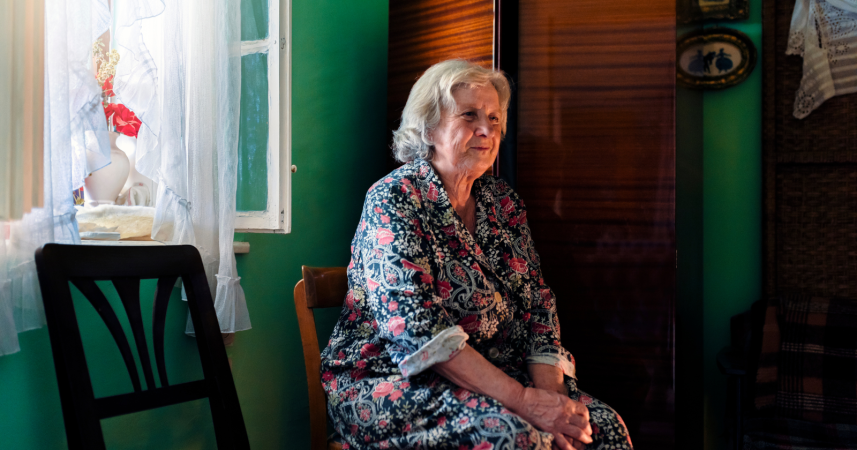
She carries decades of caregiving in her arthritic hands and a husband's memory in her morning silence, yet what exhausts her most is the world's insistence that her solitary café table represents tragedy rather than the hard-won freedom she's finally claimed.
Virginia Woolf once wrote that women have served all these centuries as looking glasses reflecting men at twice their natural size. But what she didn't mention is how we also serve as mirrors for other women's fears. Every time a younger woman looks at me with that barely concealed horror, I see my own 40-year-old self, terrified of ending up alone, measuring my worth by the fullness of my dinner table.
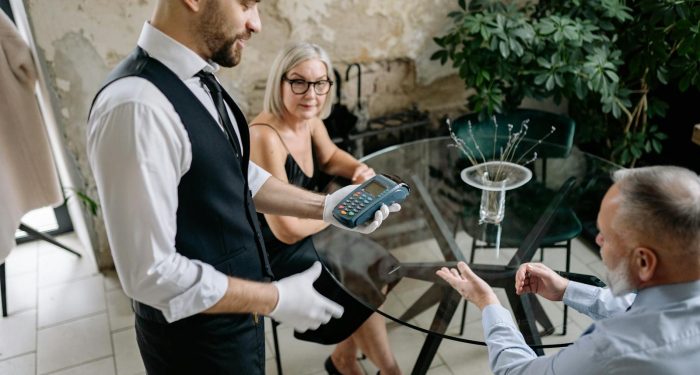
The pity is everywhere, dressed up as concern. The hostess who insists on giving me the worst table because "just one?" sounds like an accusation. The well-meaning friend who keeps trying to set me up with her widowed brother-in-law because "you shouldn't have to be alone." The grocery store clerk who comments on my single serving of salmon with a sympathetic head tilt. They all assume my solitude is something that happened to me rather than something I've learned to inhabit.
What they don't understand is that after 32 years of teaching high school English, standing before teenagers who could smell weakness like blood in water, after raising two children as a single mother when my first husband walked out, after 25 years with my second husband and then losing him to Parkinson's two years ago, I've earned the right to stop performing happiness for anyone's comfort. But knowing this and living it are different things entirely.
Learning the difference between lonely and alone
When my first husband left, Daniel was five and Grace was two. I remember standing in my kitchen at midnight, both kids finally asleep, eating peanut butter from the jar because I was too tired to make actual food. That was loneliness – not the eating alone, but the weight of carrying everything myself while pretending to be whole for my children's sake.
Loneliness was sleeping next to someone who'd already emotionally left the marriage. It was sitting through parent-teacher conferences with no one to share the small victories with afterward. It was pretending Campbell's soup counted as a home-cooked meal while grading papers until my eyes burned, wondering if my students could tell how barely I was holding everything together.
Now, at 70, what I have is solitude, and there's a vast difference.
Solitude is my 5:30 AM ritual with Earl Grey and the birds at my feeder. It's choosing to spend Sunday afternoon with a novel instead of making small talk at another wedding shower. It's cooking exactly what I want for dinner – sometimes elaborate French onion soup, sometimes cheese and crackers – without apology or explanation.
My second husband understood this need for quiet spaces. We could spend entire evenings in the same room, him with his woodworking magazines, me with my books, sharing nothing but companionable silence. When Parkinson's began stealing him from me, we learned new ways to be together. Even when words became difficult for him, we had our rhythm of shared solitude. When he died, I thought the silence would suffocate me. Instead, I discovered it had a different quality now – not empty but full of all the conversations we'd already had.
The unexpected freedom of invisibility
There's something that happens to women around 60. We start disappearing. Store clerks look through us to serve younger customers. Waiters assume we'll order the senior special. Men stop holding our gaze on the street. At first, this invisibility felt like erasure, like being written out of my own story. Now I recognize it as an unexpected gift.
When you're invisible, you can wear comfortable shoes without apology. You can let your hair go silver and discover it catches light in ways the brown never did. You can speak truths without softening them for anyone's comfort. Just last week, when a young man tried to explain my own garden to me, I simply said, "I've been growing roses since before you were born," and walked away. At 35, I would have smiled politely and pretended to learn something new.
This invisibility means I can sit in restaurants reading without anyone assuming I'm waiting for someone or hoping to be approached. I can walk through parks at my own pace, stopping to watch clouds without anyone asking what I'm looking at. I can buy single portions without the checkout clerk suggesting the family size "might be more economical."
Do you know the luxury of taking up an entire bed diagonal-style? Of singing off-key in your kitchen without anyone wincing? Of leaving a party the moment it stops being enjoyable? These aren't consolation prizes for being alone; they're freedoms I've earned through decades of accommodation and compromise.
The stories our bodies tell
My hands, knotted with arthritis now, still remember kneading bread through my grief, the rhythm becoming a meditation that brought me back to myself. These knees, replaced at 65 and 67, ending my teaching career but giving me back my garden, have carried me through decades of standing before classes, walking colicky babies, pushing my husband's wheelchair, dancing at my granddaughter's wedding.
When I volunteer at the women's shelter teaching interview skills, I see younger women studying my face, trying to read my story in its lines. Sometimes they ask if I'm lonely. I tell them about the breast cancer scare at 52 that taught me to stop postponing joy, to eat the good chocolate, to wear perfume on ordinary Wednesdays. I explain that this body society deems invisible has survived everything life could throw at it and is still standing, still choosing, still moving through the world on its own terms. The young women nod, but they don't really understand yet. How could they? They're still in the thick of needing and being needed, of juggling and pleasing, of proving their worth through their usefulness to others. They can't imagine that there might come a day when cooking for one feels like freedom rather than failure, that the single place setting might one day look less like a verdict and more like a choice, that the quiet house might become the thing you protect rather than the thing you flee.
What the empty spaces hold
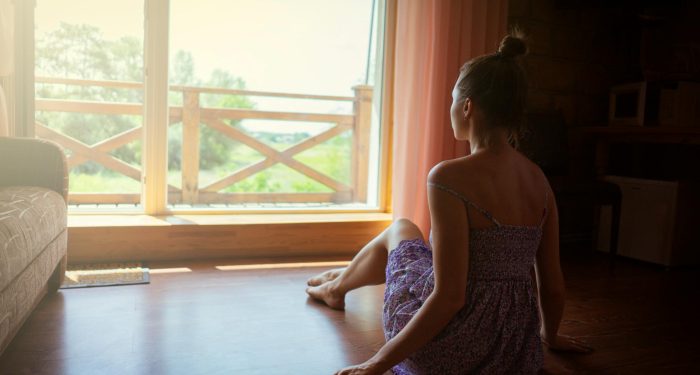
Yes, I notice the empty chair across from me. I notice the quiet house, the single toothbrush, the way the car seat never needs adjusting. But noticing absence isn't the same as being consumed by it. The empty spaces in my life also hold possibility. My husband's nightstand now holds my library books, expanding into space that's finally mine. The quiet morning hours belong entirely to me, uninterrupted by anyone else's schedule or needs.
My children worry, calling with transparent excuses. "Just wondering if you need anything from the hardware store," my son says, though he lives forty minutes away. My daughter has a standing Sunday call where she gently probes about my "social life." They mean well, but they see only absence where I see presence – the presence of choice, of peace, of time that belongs entirely to me.
I have my weekly supper club with five women who've known me through both marriages. Coffee with my neighbor every Thursday. A hiking group that moves slowly but laughs constantly. These connections are chosen, not obligatory. There's a difference between loneliness and being selective with your energy. After decades of parent conferences, faculty meetings, and dinner parties that felt like performance art, I've earned the right to choose.
Final thoughts
That morning at the café, when I let strangers' opinions chase me from my favorite table, I went home and did something I hadn't done in months. I pulled out the essay I'd written about grief, about learning to sleep alone, about discovering that you can grow larger than your sorrow. I'd been afraid to share it, worried what people might think about a 70-year-old woman writing about loneliness and loss.
But here's what I'm learning: the woman I used to pity doesn't need my pity or anyone else's. She needs the world to see that her solitude might be chosen, her quiet might be peaceful, her single portion might be enough.
So tomorrow morning, I'll walk back to that corner table at the café. I'll set down my book. I'll order my coffee the way I like it. I'll pull out the chair across from me, or I won't. I'll sit there in full view of the hostess who counted me as "just one," in full view of the couples leaning toward each other over their croissants, in full view of whatever a woman my age is supposed to look like sitting alone on a weekday morning.
And I don't yet know what that will feel like. Maybe peaceful. Maybe defiant. Maybe simply like a Tuesday. But I'll be there, taking up the space, noticing the empty chair without apologizing for it, without explaining it, without deciding in advance what it has to mean.