A White House executive order protecting Roundup's maker has split the MAHA coalition and set up a Supreme Court showdown over who can sue when pesticides cause harm.
The fight over glyphosate has stopped being a niche agricultural debate. It's now a full-blown political collision involving the White House, a German pharmaceutical giant, the Supreme Court, and a swath of the same health-conscious voters who helped put the current administration in office.
The conventional read on glyphosate goes something like this: regulators say it's safe at approved levels, farmers depend on it, and a few bad jury verdicts have made the legal picture messier than the science. That framing is increasingly hard to defend. The World Health Organization's cancer experts have linked glyphosate-based herbicides to a range of health problems, and tens of thousands of plaintiffs aren't going away because Bayer's lawyers wish they would.
What the executive order actually does
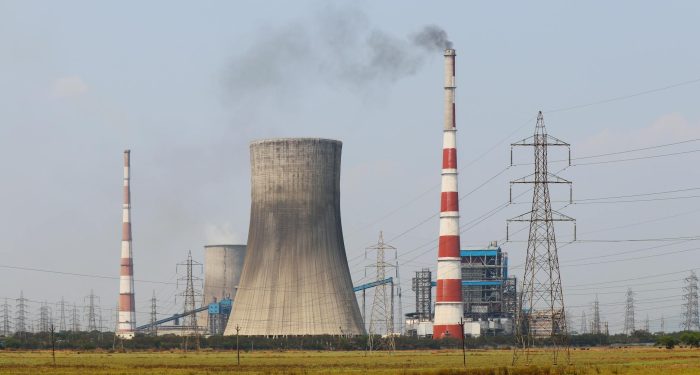
In February, President Trump signed an executive order protecting domestic production of glyphosate-based herbicides like Roundup, along with elemental phosphorus, the raw material used to make them. The order invokes the Defense Production Act and frames the herbicide as a matter of national and food-supply security.
It also contains a clause that confers immunity on producers complying with the order, citing a section of federal law about liability protection for acts performed in compliance with government orders. Neither the order nor the accompanying White House fact sheet mentions the cancer research or the WHO findings that have driven a decade of litigation.
Bayer, which inherited the Roundup portfolio when it bought Monsanto in 2018, said it would comply and produce the chemicals as directed. The company has long maintained its glyphosate herbicides do not cause cancer.
The money behind the fight
Bayer has paid out billions in settlements and jury verdicts since acquiring Monsanto. This month, the company proposed a $7.25 billion class-action settlement aimed at heading off future lawsuits. The company has said openly that if it cannot find legal relief, it may stop selling glyphosate herbicides in the US agricultural market entirely.
That threat is the engine driving everything else. It explains the lobbying for state-level liability shields. It explains the push for farm-bill language that would limit failure-to-warn lawsuits. It explains the Supreme Court hearing on federal preemption set for April 27. And it goes a long way toward explaining the executive order itself.
Ask the question the editorial lens demands: who profits from this narrative? A company facing existential litigation exposure benefits enormously from a federal order reframing its product as critical infrastructure and granting compliance immunity. Farmers benefit from continued access to a cheap, effective herbicide. The cost sits with people who've already been exposed and the public health system that absorbs the downstream effects.
The MAHA fracture
The most interesting political fallout isn't coming from the left. It's coming from the "Make America Healthy Again" coalition that helped deliver the administration its base of food-and-wellness voters.
Vani Hari, the food activist and MAHA grassroots figure, sharply criticized the order, suggesting it favored chemical company interests. Kelly Ryerson, another MAHA organizer who has lobbied for pesticide restrictions, said the move was an insult to voters who took the administration's health promises seriously.
The awkwardness goes higher. Robert F. Kennedy Jr., now serving as Health and Human Services secretary and heading a MAHA commission, has spent years publicly criticizing glyphosate. After the executive order, Kennedy reportedly issued a statement supporting the order, emphasizing defense readiness and food supply priorities.
That's a pivot. And it's the kind of pivot that gets noticed by the constituency that built its identity around suspicion of the industrial food system.
Where the science actually sits
Glyphosate's regulatory status is genuinely contested. The EPA has consistently classified it as not likely to be carcinogenic at expected exposure levels. The WHO's International Agency for Research on Cancer reached a different conclusion in 2015, classifying it as "probably carcinogenic to humans." This classification has been the basis for most of the litigation Bayer is trying to escape.
The counterargument worth taking seriously: glyphosate replaced older, more acutely toxic herbicides, and removing it without a replacement could push farmers back toward chemicals with worse profiles. That's a real tradeoff. It's also not the tradeoff being debated. The current fight isn't about what replaces glyphosate. It's about whether the people selling it can be sued by the people who get sick using it.
What this means for the food system
Glyphosate is widely used in agriculture. It's sprayed on commodity corn and soy, used as a pre-harvest desiccant on wheat and oats, and shows up in residue testing on a long list of conventional grain products. For anyone trying to eat more plants, this is not abstract. The plant-based food system is built on commodity grains and legumes that move through the same chemical regime as everything else in industrial agriculture.
This corporate playbook—where industry interests slowly reshape systems meant to protect us—isn't limited to pesticide regulation. We actually investigated a parallel pattern in organic certification, where the same dynamics are quietly playing out, and laid out the evidence in a recent video on our YouTube channel.
Organic certification prohibits synthetic glyphosate use, which is part of why organic grain costs more. Regenerative and no-till systems, often pitched as climate-friendly alternatives, frequently rely on glyphosate to terminate cover crops without plowing. The herbicide is woven into both the conventional and the "better" versions of American farming in ways that aren't obvious from the grocery aisle.
Other countries are making different bets. The question of whether to ban or restrict glyphosate has been live in the EU, the UK, and smaller jurisdictions that have weighed it independently. Jersey's environment minister recently ruled out a ban on the chemical, citing a lack of viable alternatives for local agriculture, even as activists pressed for restrictions.
What happens next
The Supreme Court hearing on April 27 is the closest thing to a decision point in the near term. If the court rules in Bayer's favor on federal preemption, it would substantially narrow the ability of plaintiffs to sue over failure-to-warn claims, doing through the judiciary what the executive order tries to do through emergency authority. If it rules against Bayer, expect the company to lean harder on Congress and state legislatures.
The political question is whether the MAHA coalition's frustration translates into anything beyond press statements. The movement was built partly on the premise that a new administration would take pesticide concerns seriously. The executive order is a clear signal that, when food-industry economics collide with food-system reform, the economics win.
For the curiously conscious eater, the practical takeaway is less dramatic than the politics suggest. The chemicals in your food supply aren't changing this quarter. The legal framework around who can sue when those chemicals cause harm might be. That's worth paying attention to, because liability is one of the few mechanisms that has actually moved the industry over the past decade. Take it away, and the incentive to do better goes with it.