The Sunday evening that once demanded lesson plans and pressed clothes now arrives empty-handed, and I've discovered that the loneliness of being unnecessary hits different when you're watching the same golden hour that used to signal your deadlines now simply mark time.
Sunday evenings used to arrive like a demanding houseguest, arms full of urgency. I'd be at my kitchen table, surrounded by student essays about Hamlet's indecision, a cold cup of coffee at my elbow, the clock showing 7 PM and my mind calculating how many papers I could grade before exhaustion won. The dishwasher would be running, my teaching clothes would need ironing, and somewhere in the background, my second husband would be watching 60 Minutes while I raced against Monday morning. Those Sunday evenings had texture, purpose, a forward momentum that pulled me into the week whether I wanted to go or not.
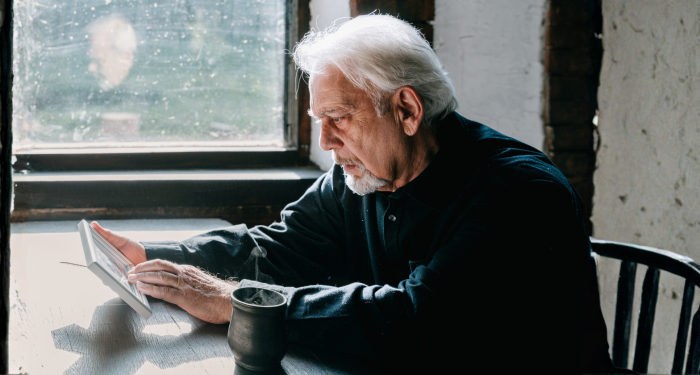
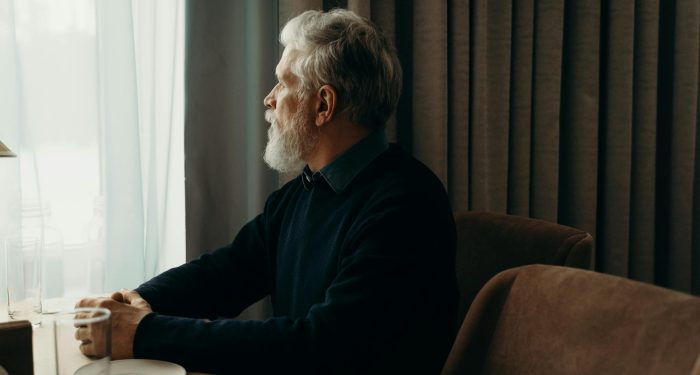
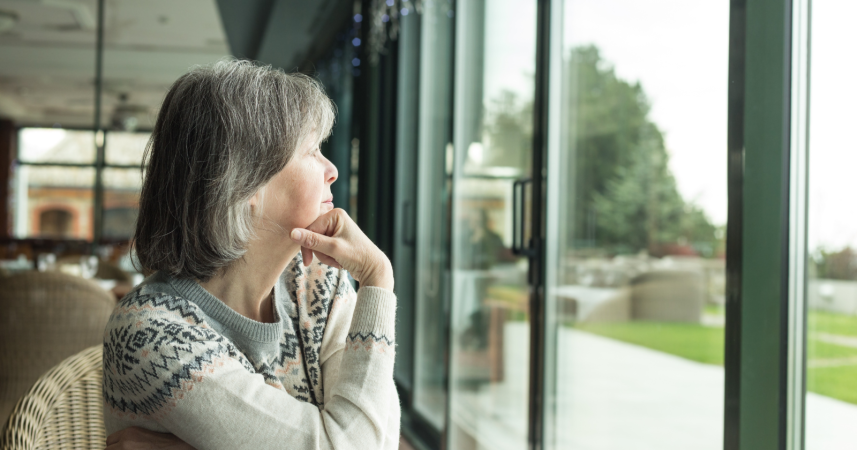
Now Sunday evening arrives like fog, quiet and encompassing, filling the spaces where urgency used to live. I sit in my sunroom with tea that stays warm because I have nowhere else to be, watching the same golden light that used to signal my grading deadline now simply mark time. The transformation isn't just retirement or widowhood or reaching 70. It's the shift from being inside the world's rhythm to standing just outside it, close enough to hear the music but no longer invited to dance.
The architecture of being needed
There's a specific architecture to being needed that you don't recognize until it's demolished. For 32 years, my Sunday evenings were load-bearing walls in other people's weeks. My lesson plans shaped 150 teenagers' Mondays. My feedback on essays determined college application narratives. My presence in room 237 at 7:45 AM sharp was a fixed point around which counselors scheduled, parents planned conferences, and students knew where to find me when everything else felt chaotic.
I think about this when my daughter calls during her Sunday evening routine, her voice carrying that particular exhaustion of a working mother preparing for another week's juggle. She runs through her list: the presentation on Wednesday, the parent-teacher conference on Thursday, her youngest's science fair project that somehow became her project. I offer suggestions she's already thought of, encouragement she needs but doesn't need, and we both pretend I'm not just happy to be included in someone's Sunday evening preparation.
What surprised me most about retirement wasn't the freedom but the weightlessness. Imagine spending decades as an anchor, holding steady against the current of teenage anxiety, parental demands, administrative bureaucracy. Then imagine someone cutting the chain. You don't sink or swim. You just float, suddenly aware that the boat you thought needed you has already found another anchor, probably younger, definitely less tired, certainly more versed in whatever new technology they're using to submit grades these days.
The mathematics of Sunday loneliness
If loneliness could be graphed, Sunday evening would be the peak, but not for the reasons you might expect. It's not about being alone. Last Thursday I spent the entire day alone and felt completely content, painting watercolors badly and making soup from garden vegetables that grew despite my arthritis limiting how often I can tend them. Being alone on Thursday feels like choice. Being alone on Sunday evening feels like exile from a country I once held citizenship in.
The mathematics are simple but cruel: Sunday evening preparation multiplied by zero Monday obligations equals a specific kind of isolation. It's watching your neighbors load their cars with work bags and gym clothes and school backpacks, knowing exactly what each item means because you once performed the same ritual. It's the grocery store at 5 PM, full of people grabbing last-minute lunch supplies, while your cart holds the same seven items you buy every week because cooking for one means repetition becomes comfort.
Do you know what nobody tells you about aging? It's not that your body betrays you, though it does. It's not that people you love die, though they do. It's that the world reorganizes itself around an energy you no longer possess or need to possess. Sunday evening is when this reorganization is most visible, most felt, like watching a tide go out and realizing you're not a wave anymore. You're driftwood, which has its own beauty but doesn't participate in the ocean's essential movements.
Outside the choreography
My son Daniel calls from across the country right as the streetlights flicker on, that automatic response to dusk that happens whether anyone notices or not. His voice carries the weight of his own Sunday evening preparations, though he tries to hide it. We discuss his daughter's college applications, and I remember when Sunday evenings meant helping him with his own essays, the dining room table covered in drafts, my teacher's eye catching comma splices even in my own child's work.
"How was your week, Mom?" he asks, and I tell him about the literacy center, about the woman who finally read a complete sentence on her own and cried. I don't tell him that my weeks don't really exist anymore, that Monday and Friday are distinguished only by which volunteer commitment I have. I don't tell him that I grocery shop on Tuesdays now specifically to avoid the Sunday evening crowds, not because I'm busy but because watching families stock up for the week ahead makes my chest tight with a recognition I can't quite name.
The world's choreography continues without me. The Miller family across the street performs their Sunday evening dance: lights moving from room to room, the blue glow of screens, the garage door opening one more time because someone forgot something in the car. I know their rhythm because I lived it. Mr. Miller has school board meetings on Monday nights. Their teenage daughter has calculus first period. These facts sit in my mind like artifacts from a civilization I once belonged to but can now only observe through glass.
The strange freedom of exile
Here's what's unexpected about being outside the Sunday evening machine: you see it clearly for the first time. All those years inside it, I thought the exhaustion and preparation were just life, as natural and unavoidable as breathing. Now, from my position on the margin, I watch the collective anxiety of Sunday evening like an anthropologist studying a ritual I once performed but no longer understand the necessity of.
There's freedom in this exile, though it's the kind of freedom nobody wants. I can stay up until 2 AM reading because Monday morning means nothing. I can eat dinner at 4 PM or 9 PM or not at all, just tea and toast while watching the news that will stress everyone else out before their Monday commutes. I can write these essays that nobody's waiting for, that have no deadline except my own mortality, which feels both distant and immediate in the way that only 70-year-olds understand.
But freedom without purpose is just emptiness with better PR. Sunday evenings remind me that I've been released from a prison I didn't know I loved until they took away my cell. Those lesson plans I cursed? They were architecture. Those parent emails I dreaded? They were connection. That Monday morning performance of enthusiasm for exhausted teenagers? It was proof that I mattered in the machinery of other people's becoming.
Final thoughts
Tomorrow I'll wake at 5:30, not because I need to but because my body still remembers when early morning was the only quiet time to prepare for the day's battles. I'll make tea and write in my journal, three pages of thoughts that matter to no one but me. The garden will need watering. The soup will need making. The day will unspool like every other day, distinguished only by which neighbor might stop to chat, which book I'll read in the afternoon sun.
But tonight, on this Sunday evening that feels like standing still while the world spins toward Monday, I'm learning to name this specific loneliness without trying to fix it. Maybe this is its own kind of wisdom: understanding that being outside the rhythm doesn't mean the music has stopped. It just means you're listening from a different room now, one where the acoustics are strange and the sound arrives a beat delayed, but where you can finally hear the whole symphony instead of just your own part.
The sun sets. The streetlights glow. Somewhere, millions of alarms are being set. And I sit here, outside the choreography but still conscious, still witnessing, still writing it down. Because what else is there to do when you're 70 and Sunday evening arrives with its particular loneliness? You name it. You know it. And you survive it, just like you survived everything else, until Sunday becomes Monday becomes just another day in a life that continues, purposeless but persistent, lonely but not alone, outside the rhythm but still, somehow, dancing.