A VegOut Pillar
Think Deeper
Psychology, behavior, philosophy — the interior of conscious living.

Editor's pick
Jeremy Clarkson is in remission from aggressive prostate cancer — but the part of his story that actually matters is the private screening he says caught what routine NHS checks may have missed
Jeremy Clarkson has confirmed he is in remission from an aggressive prostate cancer caught during a routine check in May 2025 — and is using his platform to push UK men toward screening that isn't offered…

What Hemingway's "True Nobility" Quote Is Actually Saying — And What It's Not

Psychology says people who become happier in their second half of life usually haven't fixed their problems — they've simply stopped treating their problems as obstacles to happiness

Psychology Says People Who Become Genuinely Kinder in Their Second Half of Life Usually Aren't Softening — They've Simply Done Enough Internal Work to Recognize Themselves in the Difficult People They Used to Judge




People who reach retirement with no close friends are sometimes the people who held closeness to a higher standard than most adults are willing to apply — and the small daily cost of that standard accumulated quietly into the season they're sitting in now, which isn't really loneliness so much as honest accounting.

A father just turned 70, and he's one of the happiest men around — and the closer you look, the more you realize his happiness isn't about anything he has, it's about the long list of things he stopped needing somewhere in his fifties

Most people don't realize that boomers are the first generation to grow old in neighborhoods where few people know their name
All Think Deeper

No strict diets needed. These 9 tiny morning habits change how you eat the rest of the day

Discipline doesn't mean forcing yourself to try harder. After 10 years of meditation, here's what it actually means

People who snack on nuts every day because they heard they were healthy aren't wrong — they just never got told that a cashew and a Brazil nut are doing almost entirely different jobs inside the body

Nobody talks about why so many people who eat healthy meals still feel exhausted, foggy, and flat — and the answer keeps coming back to the same macronutrient they were never told they needed more of

I’m 27 and I spent most of my 20s convincing myself I wasn’t hungry, until my body stopped believing I was safe
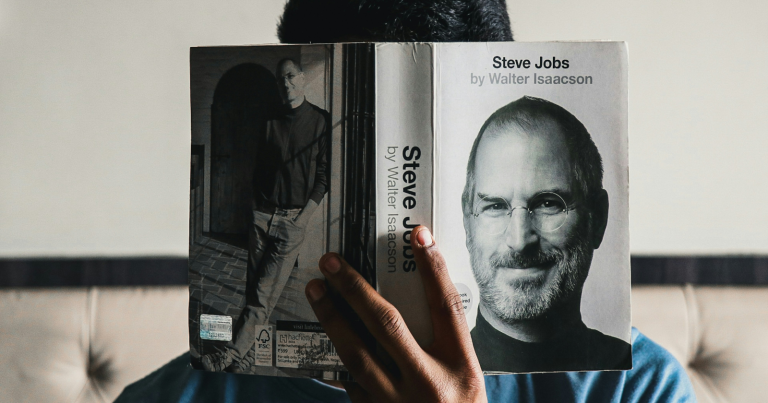
Quote of the day by Steve Jobs: "Your time is limited, so don't waste it living someone else's life."

Psychology says people who avoid self-checkout at the supermarket aren't inefficient — they may be meeting a small social need the machine was designed to eliminate

Psychology says people who still write shopping lists on paper instead of using their phone aren't stuck in the past — they're engaging a form of cognitive processing that strengthens memory and follow-through

Psychology says people who stay genuinely fit deep into their 60s and 70s aren't always the most disciplined or genetically blessed — often, they made movement part of who they are

Psychology says the happiest people after 70 may not be the ones who found purpose — they may be the ones who stopped demanding that every day justify itself

Most people don't realize adults without children aren't avoiding responsibility — research suggests they can become part of the unseen infrastructure of everyone else's family

Psychology suggests the most magnetic people aren't always charming, funny, or successful — they may be the ones who make others feel like they can stop performing