A VegOut Pillar
Think Deeper
Psychology, behavior, philosophy — the interior of conscious living.

Editor's pick
Jeremy Clarkson is in remission from aggressive prostate cancer — but the part of his story that actually matters is the private screening he says caught what routine NHS checks may have missed
Jeremy Clarkson has confirmed he is in remission from an aggressive prostate cancer caught during a routine check in May 2025 — and is using his platform to push UK men toward screening that isn't offered…

What Hemingway's "True Nobility" Quote Is Actually Saying — And What It's Not

Psychology says people who become happier in their second half of life usually haven't fixed their problems — they've simply stopped treating their problems as obstacles to happiness

Psychology Says People Who Become Genuinely Kinder in Their Second Half of Life Usually Aren't Softening — They've Simply Done Enough Internal Work to Recognize Themselves in the Difficult People They Used to Judge



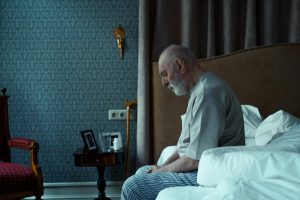
People who reach retirement with no close friends are sometimes the people who held closeness to a higher standard than most adults are willing to apply — and the small daily cost of that standard accumulated quietly into the season they're sitting in now, which isn't really loneliness so much as honest accounting.

A father just turned 70, and he's one of the happiest men around — and the closer you look, the more you realize his happiness isn't about anything he has, it's about the long list of things he stopped needing somewhere in his fifties

Most people don't realize that boomers are the first generation to grow old in neighborhoods where few people know their name
All Think Deeper

Many people entering retirement were raised to believe hard work was the answer - then they reach a stage of life where there’s nothing left to work harder at

Children Who Grew Up in Households Where the Mood Depended on a Parent's Day at Work Often Become Adults Who Can Read a Room in Three Seconds—and Are Quietly Exhausted by Every Party They've Ever Attended

Adults who walk into a room and notice the temperature, the lighting, and where the exits are aren't anxious, they grew up scanning for what was about to change before anyone announced it

The deepest regret of late life is rarely about a specific decision — it's about a pattern of small, unnoticed deferrals, a thousand Saturdays given to other people's preferences, and the weight of those deferrals doesn't show up in any single memory, it shows up as the strange flatness of a life that was technically lived but somehow not chosen

The difference between being loved and being needed becomes most visible in retirement — when the demands quiet, the calls thin, the calendar empties, and the people who needed you for what you provided drift gently out of orbit, leaving the ones who simply liked you, and the painful inventory of which is which is what most of the first year of retirement is actually for

The most common cause of dissatisfaction after 70 isn't regret about specific choices — it's the slow, late discovery that many of the choices weren't really choices, they were the only paths visible from inside a particular set of expectations, and the grief is for the alternatives that were never made structurally available.

People who always pack their own snacks for road trips, flights, and long meetings often aren't being controlling, many grew up understanding that being hungry in front of other people was its own quiet form of vulnerability

I used to call it "busy." Looking back, I was stressed — and it was costing me more than I thought.

Nobody talks about why so many adults in their fifties suddenly start gardening, and it isn't a hobby or a retirement cliche, it's the first time in decades they get to tend something that doesn't talk back, doesn't keep score, and doesn't need them to perform

People who garden vegetables they barely eat often aren't doing it for the harvest, they're doing it for the only relationship in their life where showing up consistently produces a visible, unambiguous result
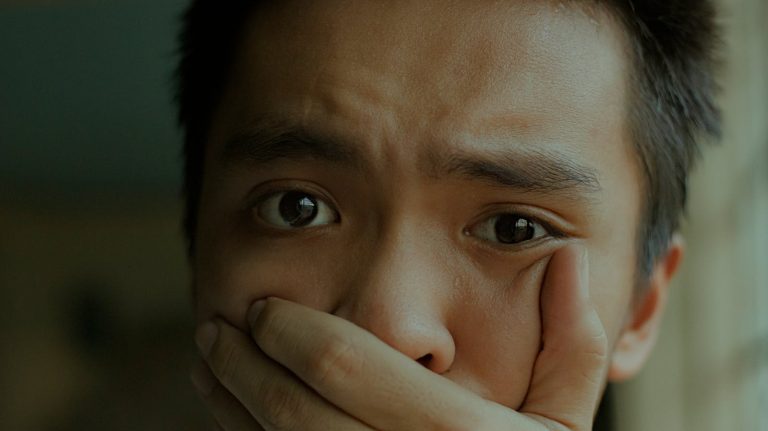
People who notice when a friend has lost weight, gotten a haircut, or seems quieter than usual aren’t always being nosy — they may have learned early that small changes in people matter

The friend who always remembers the anniversary of your hard year, your mother's death, or the day you got the diagnosis isn't always unusually thoughtful, they may have learned early to hold feelings nobody else would