A VegOut Pillar
Think Deeper
Psychology, behavior, philosophy — the interior of conscious living.

Editor's pick
Jeremy Clarkson is in remission from aggressive prostate cancer — but the part of his story that actually matters is the private screening he says caught what routine NHS checks may have missed
Jeremy Clarkson has confirmed he is in remission from an aggressive prostate cancer caught during a routine check in May 2025 — and is using his platform to push UK men toward screening that isn't offered…

What Hemingway's "True Nobility" Quote Is Actually Saying — And What It's Not

Psychology says people who become happier in their second half of life usually haven't fixed their problems — they've simply stopped treating their problems as obstacles to happiness

Psychology Says People Who Become Genuinely Kinder in Their Second Half of Life Usually Aren't Softening — They've Simply Done Enough Internal Work to Recognize Themselves in the Difficult People They Used to Judge




People who reach retirement with no close friends are sometimes the people who held closeness to a higher standard than most adults are willing to apply — and the small daily cost of that standard accumulated quietly into the season they're sitting in now, which isn't really loneliness so much as honest accounting.

A father just turned 70, and he's one of the happiest men around — and the closer you look, the more you realize his happiness isn't about anything he has, it's about the long list of things he stopped needing somewhere in his fifties

Most people don't realize that boomers are the first generation to grow old in neighborhoods where few people know their name
All Think Deeper

What Hemingway's "True Nobility" Quote Is Actually Saying — And What It's Not

Half your suffering is coming from trying to control things that were never yours to control — the weather, the traffic, whether people like you, how someone interpreted a message you sent three days ago
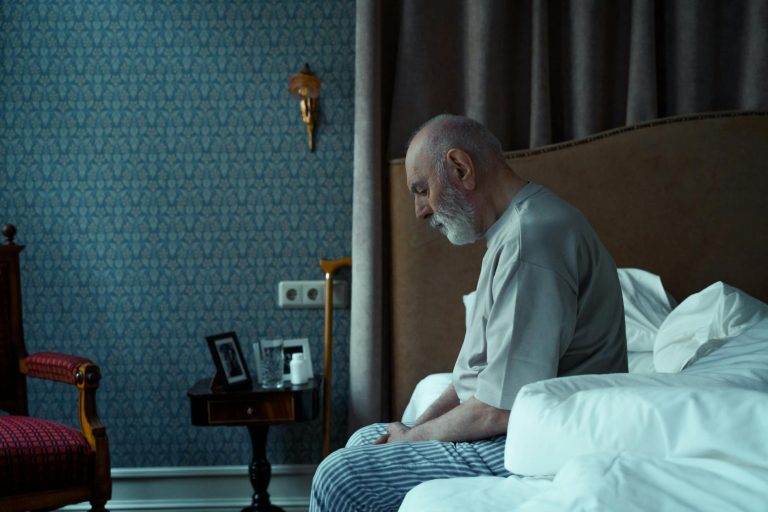
People who reach retirement with no close friends are sometimes the people who held closeness to a higher standard than most adults are willing to apply — and the small daily cost of that standard accumulated quietly into the season they're sitting in now, which isn't really loneliness so much as honest accounting.

Psychology says people who become happier in their second half of life usually haven't fixed their problems — they've simply stopped treating their problems as obstacles to happiness

Psychology Says People Who Become Genuinely Kinder in Their Second Half of Life Usually Aren't Softening — They've Simply Done Enough Internal Work to Recognize Themselves in the Difficult People They Used to Judge

People who switch to a plant-based diet and feel worse before they feel better aren't doing it wrong — they may have started from a protein deficit so deep that the body had already stopped signaling hunger for it

A Baptist minister invented the five love languages in 1992 as a Christian marriage book. They are now a Hinge prompt.

The art of needing less

Comfort doesn't come from having more options. It comes from needing fewer

Stop trying to live perfectly — these 7 small choices make life feel lighter

Stillness is what's left when we stop filling every gap with noise

Adults who keep a single drawer in their house that they never let anyone open aren't hiding something shameful, they're protecting the last square foot of their life that doesn't have to make sense to anyone else