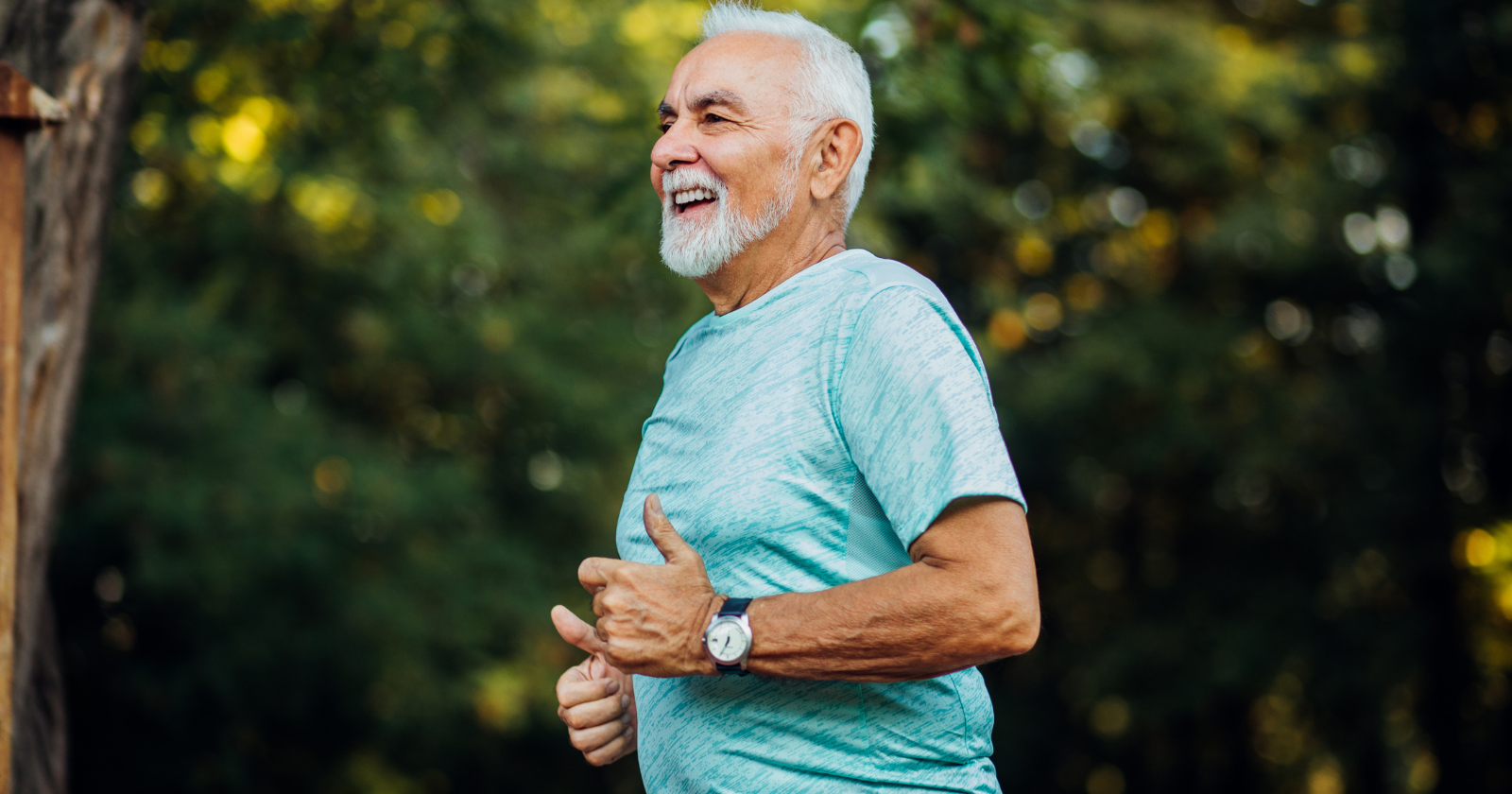
There's a particular kind of person you start noticing in your 50s and 60s. They walk a little straighter than their peers. They climb stairs without thinking about it. They pick up grandchildren, carry their own groceries, take the long way home from the café. They don't look like they're "working out." They just look like they still live in their bodies.
When you ask them about their secret, the answer is almost never what you expect. It's not a strict regimen. It's not a particular gene pool. It's not even, in most cases, a love of the gym. It's something much quieter, and according to a growing body of psychology research, much more powerful.
They decided, at some point, that movement was simply part of who they were. And once that decision settled in, the rest stopped being a battle.
Here are seven of the patterns researchers keep finding in people who stay genuinely fit into older age.
1. They built an exercise identity, not an exercise plan
A study published through the National Library of Medicine followed women through a 16-week exercise intervention and found that exercise identity, the degree to which someone sees themselves as "an exerciser," increased significantly during the program and was a strong predictor of whether participants kept exercising six months later.
Discipline gets you through Tuesday. Identity gets you through years. People who stay fit don't wake up debating whether to move today. The question has already been answered by who they think they are.
2. They chose activities they actually enjoy
Self-determination theory, summarised in a systematic review available via the National Library of Medicine, found that intrinsic motivation (doing something because it's inherently satisfying) is the strongest predictor of long-term exercise adherence. External motivators like appearance, doctor's orders, or fear of illness work for a while. Intrinsic ones last for decades.
This is why the older walker who genuinely loves her morning loop will outlast the gym member who hates every minute of his treadmill. Enjoyment is not a luxury in a fitness journey. It's the engine.
3. They embedded movement into stable contexts
In Phillippa Lally's landmark 2010 paper on habit formation, published in the European Journal of Social Psychology, participants who repeated a behaviour in a consistent context (for example, "after breakfast") reached automaticity in a median of 66 days, with some reaching it in as few as 18.
People who stay fit have usually tied movement to a stable anchor. A morning walk after coffee. A swim every Wednesday before work. A short stretch before bed. The activity isn't decided fresh each day. It's already linked to a moment of life that's going to happen anyway.
4. They allow for imperfection
Lally's research uncovered something else important: missing one opportunity to perform the behaviour did not materially affect the habit-formation process. People who stay fit into older age aren't perfectionists. They're consistent over the long run, not flawless in the short run.
Skip a day, return the next. Miss a week, ease back in. The story they tell themselves never becomes "I've blown it." The identity holds, regardless of any single day's performance.
5. They keep moving in everyday ways, not just during "workouts"
Fit older adults tend to be active outside of formal exercise. They garden. They take stairs. They walk to the shops. They carry their own bags. Researchers often call this "non-exercise activity," and across a week it adds up to far more total movement than most people's gym sessions.
This is the quiet difference between someone who exercises for an hour and sits for ten, and someone who exercises for an hour and moves casually for the rest of the day. The latter group is the one you still see climbing hills at 75.
6. They have social anchors around movement
A social identity review published in Sports Medicine found that group-based exercise environments were significantly more effective than solo environments at promoting long-term adherence, particularly when those groups developed real cohesion.
This doesn't mean fit older adults are all class regulars. More often, they have a walking partner, a swim friend, a tennis group, a hiking community. The shared identity ("we're the morning walkers") provides social accountability that pure willpower can't match.
7. They focus on what their body still does, not what it can no longer do
A Frontiers in Aging review on motivation and exercise in older adults notes that ageist stereotypes and perceived physical limitations reduce intrinsic motivation by undermining feelings of autonomy and competence.
People who stay fit have quietly refused that frame. They focus on what their body still does well. They notice the improvements alongside the limitations. They celebrate completing the trail, not the fact that they're slower than they were at 40. Aging becomes a process to participate in, not a decline to manage.
The takeaway
The people who stay fit deep into their 60s and 70s aren't winning a willpower contest. They've stopped having to win one. Movement isn't something they have to talk themselves into. It's something they are. They've chosen activities they enjoy, anchored them into daily rhythm, allowed themselves to miss days without unravelling, surrounded themselves with movement-friendly people, and refused the cultural script that says older bodies stop.
Discipline and genetics get most of the credit, but the psychology suggests something simpler and more available than either. Identity precedes behaviour. Decide who you are, and the rest tends to follow.