Department
Living
 Think Deeper
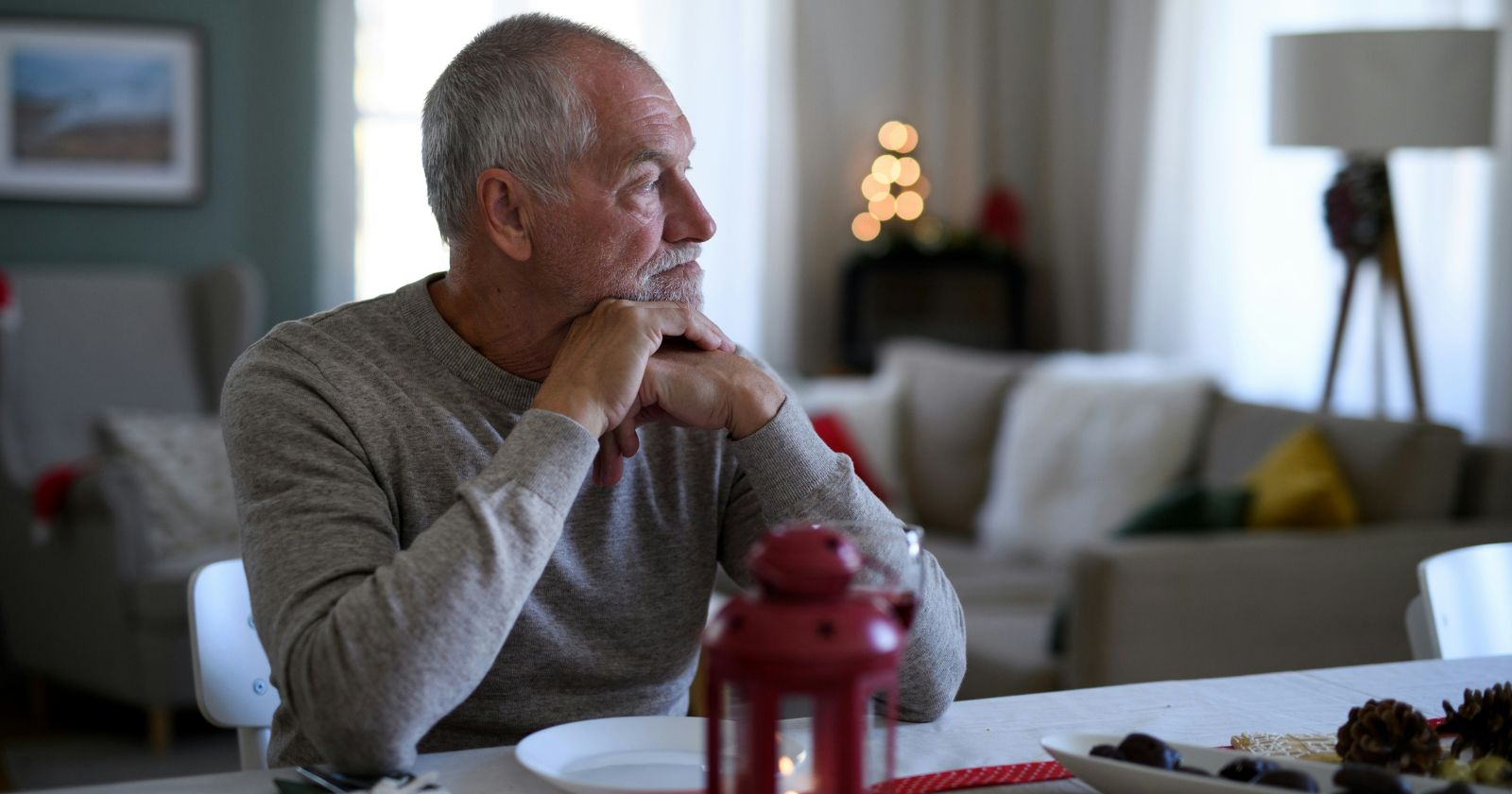
The hardest part of finally having time for yourself in your sixties isn't boredom, it's discovering how many of your hobbies were actually obligations dressed up as interests
Retirement empties your calendar and forces a reckoning with what you actually enjoyed versus what you did out of obligation, habit, or…
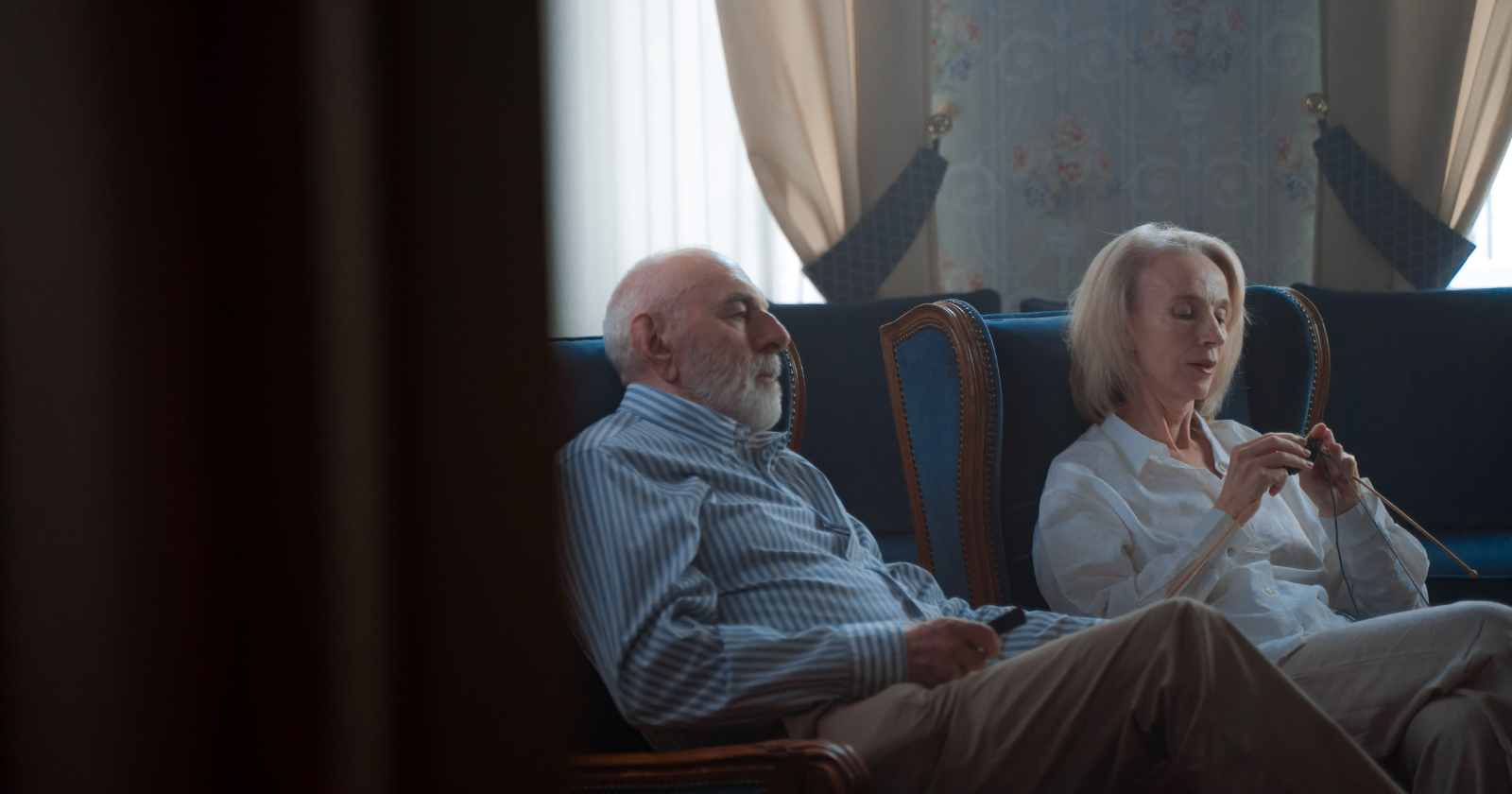
There's a specific quiet that fills a house the first weekend after the last child moves out, and most parents misread it as grief when it's actually the sound of a self that's been on standby for twenty-five years powering back on slowly
Most parents mistake the quiet of an empty house for sadness, but it may actually be something else entirely—the slow reboot of…
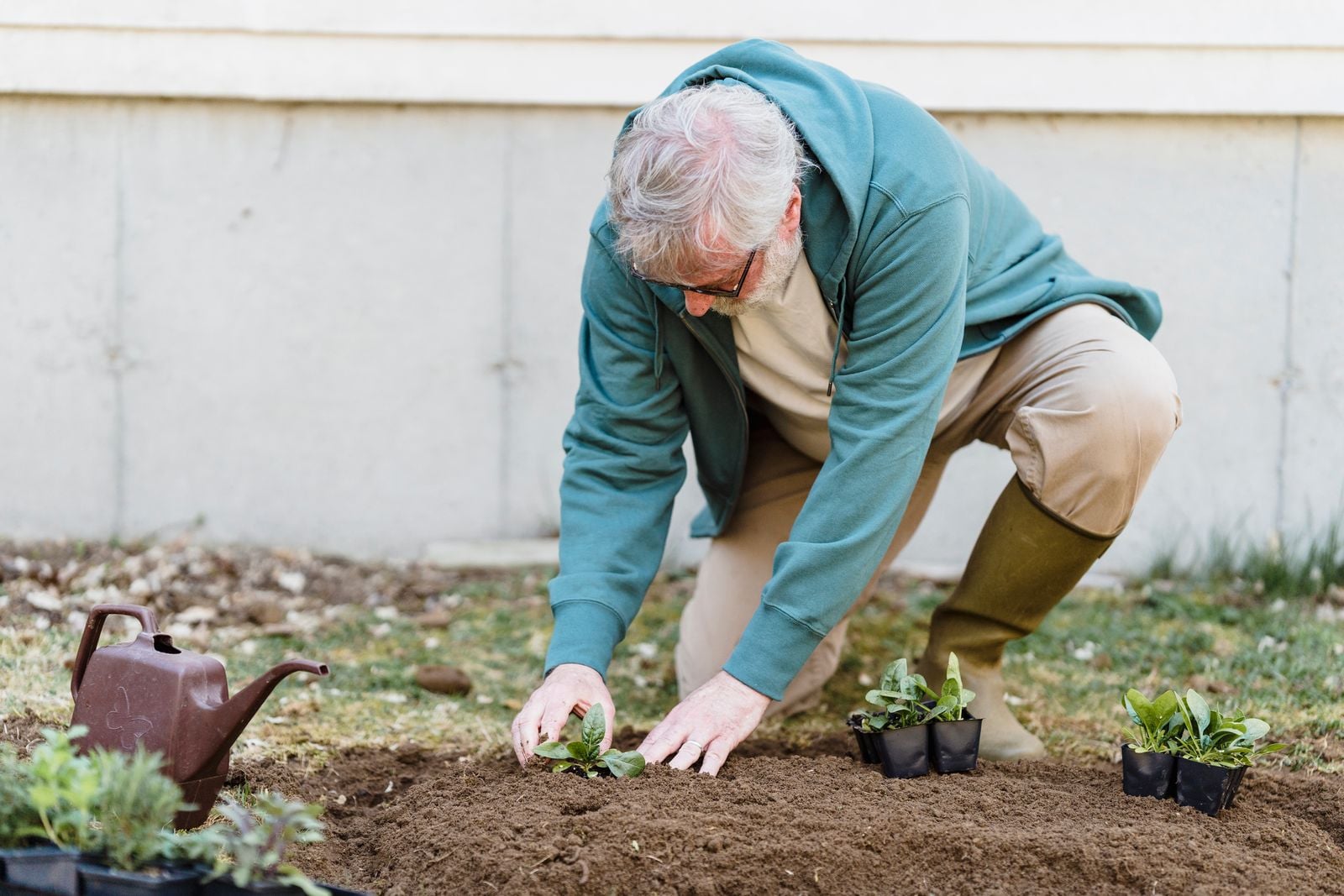
Adults who garden in their seventies aren't passing time
Gardening in later life isn't leisure—it's a clinical necessity. Research spanning seventy years confirms what one pioneering geriatrician discovered in 1955: having…

10 quiet habits of people who finally stopped optimising their lives and started living in them
People at peace in midlife aren't the ones with perfect systems—they're the ones who stopped trying to optimize everything and just started…

People who feel uncomfortable receiving compliments aren't always humble or insecure — many grew up in households where praise usually arrived right before a request, and the body still remembers the pattern
When praise arrives alongside a hidden ask, your nervous system learns to brace. The discomfort you feel receiving compliments today might be…

There's a version of middle age nobody warns you about, the one where you finally have the time, money, and freedom you spent twenty years working toward, and the strangest part is discovering you no longer remember what you wanted it for
Midlife freedom arrives quietly for many: mortgage paid, kids grown, time finally available. Yet the deeper crisis emerges when you realize the…
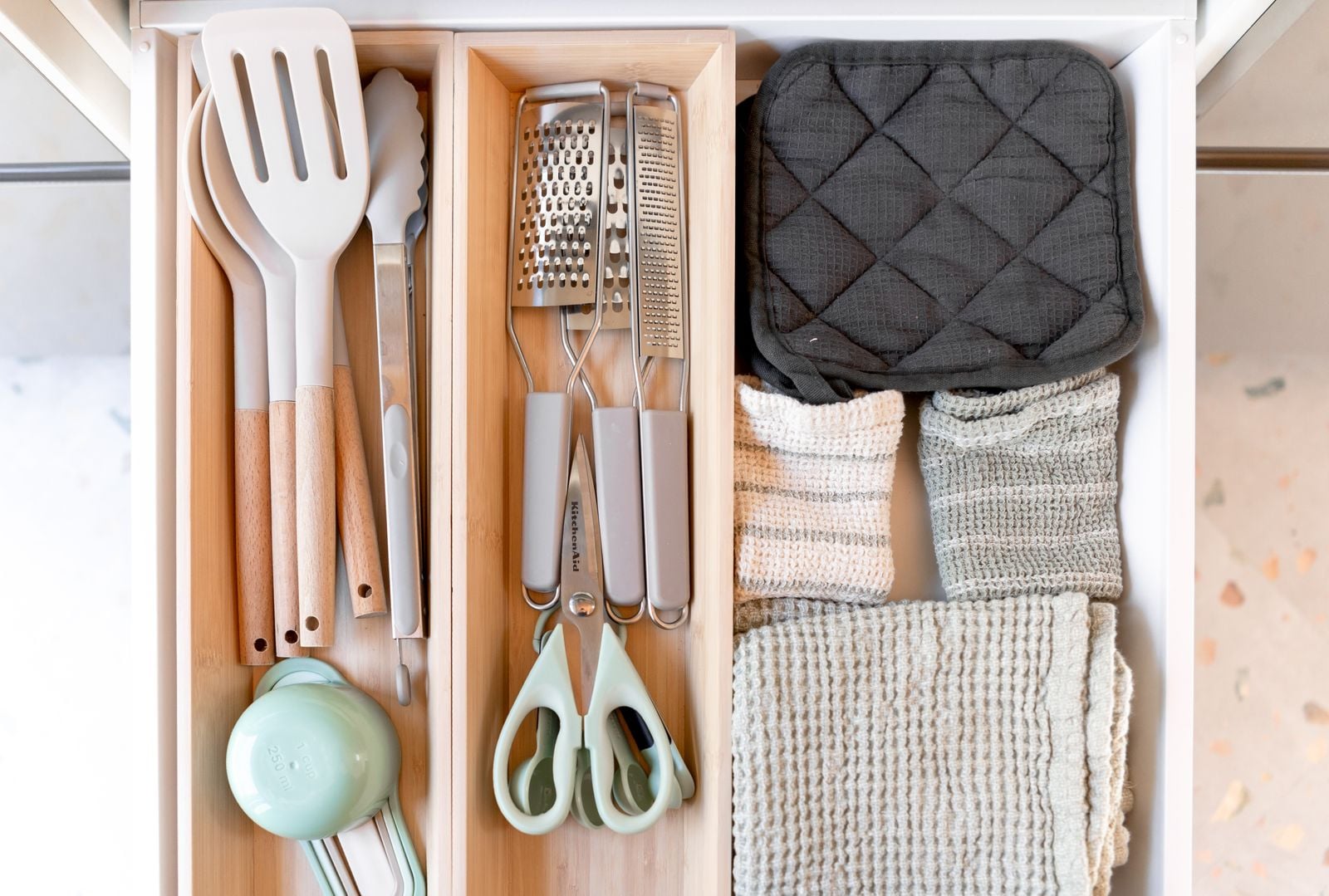
People who deliberately keep their car, their wardrobe, and their kitchen smaller than they can afford often aren't being frugal, they may have learned that everything you own takes a small piece of your attention every day and most of it isn't worth the rent
Every object you own demands a small piece of your attention daily. Some people have learned that most possessions aren't worth the…

People who cry at unexpected moments in their sixties aren't necessarily becoming fragile, they may be meeting feelings that had nowhere to land during the decades when there was always something more urgent
Emotional shifts in your sixties signal not decline but integration—decades of suppressed feelings finally finding space to surface and be processed.

10 quiet habits of adults who finally stopped trying to be interesting and discovered they were already enough
The pursuit of being interesting often leaves us exhausted and unsatisfied. What happens when people finally stop performing and embrace their natural…

The people who keep a small notebook in their pocket and write things down by hand aren't behind the times
New research shows handwriting activates far more brain regions than typing, revealing that pocket notebooks aren't relics but powerful tools for learning…

A three-year study of nearly 4,000 adults found that brains in their 80s improved with just five minutes of daily training — and the lowest scorers gained the most
A three-year study of nearly 4,000 adults found that brain health can measurably improve at any age — even in the 90s…
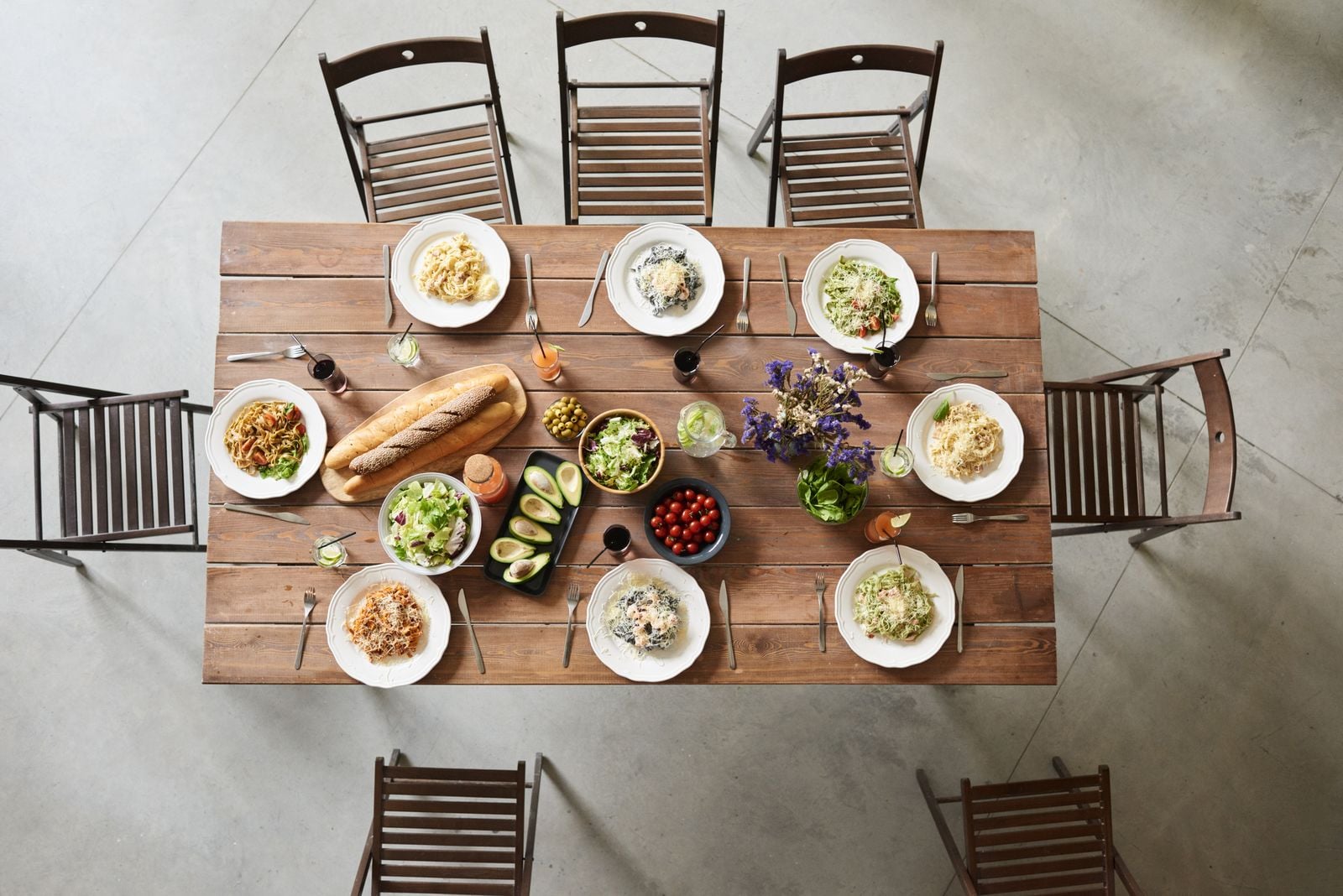
There's a particular kind of loneliness that arrives the first time you cook a full meal for yourself after decades of cooking for a family, and the people who handle it best aren't the ones who keep the recipes the same
When the lasagna pan that fed six people sits unused and dinner becomes a single bowl of pasta, a particular loneliness arrives—one…
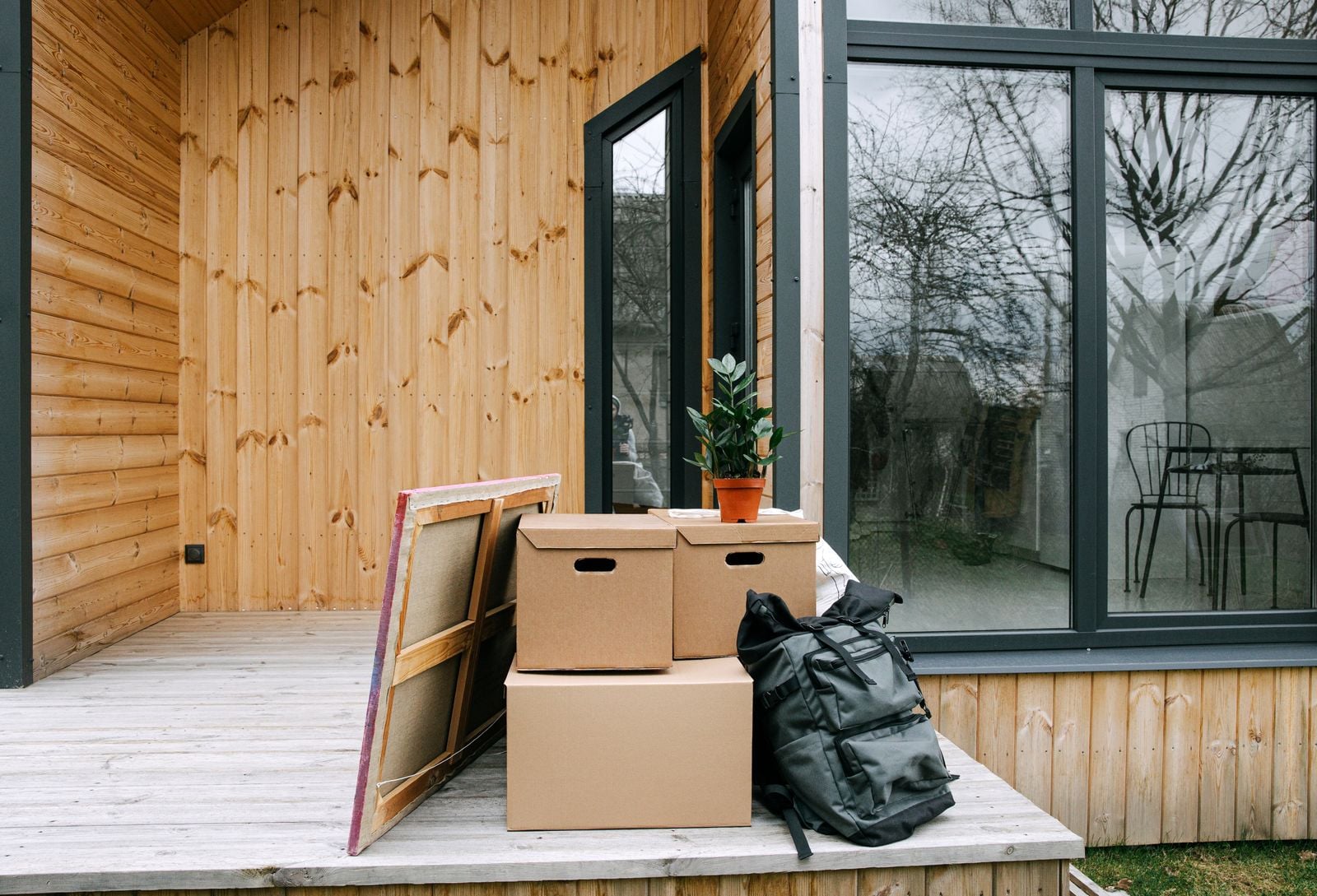
There's a particular silence that settles over a house when the youngest child leaves for good, and the parents who handle it best aren't the ones who stay busiest, they're the ones who let themselves sit in it long enough to remember who they were before the noise started
Parents who handle the empty nest best aren't those who fill it with projects and plans, but those who pause long enough…

Psychology says people who insist on real plates and cloth napkins even when they're eating alone aren't being fussy, they figured out that how you treat yourself when nobody is watching is the relationship that decides every other one
How you treat yourself in private—the small rituals nobody witnesses—shapes your capacity for meaningful relationships and determines your sense of self-worth far…

People who walk every single morning regardless of weather aren't disciplined, they discovered that the day handles them better when they handle it first
Morning walkers aren't fighting discipline—they've discovered that handling the day first fundamentally changes how the day handles them. The ritual becomes less…
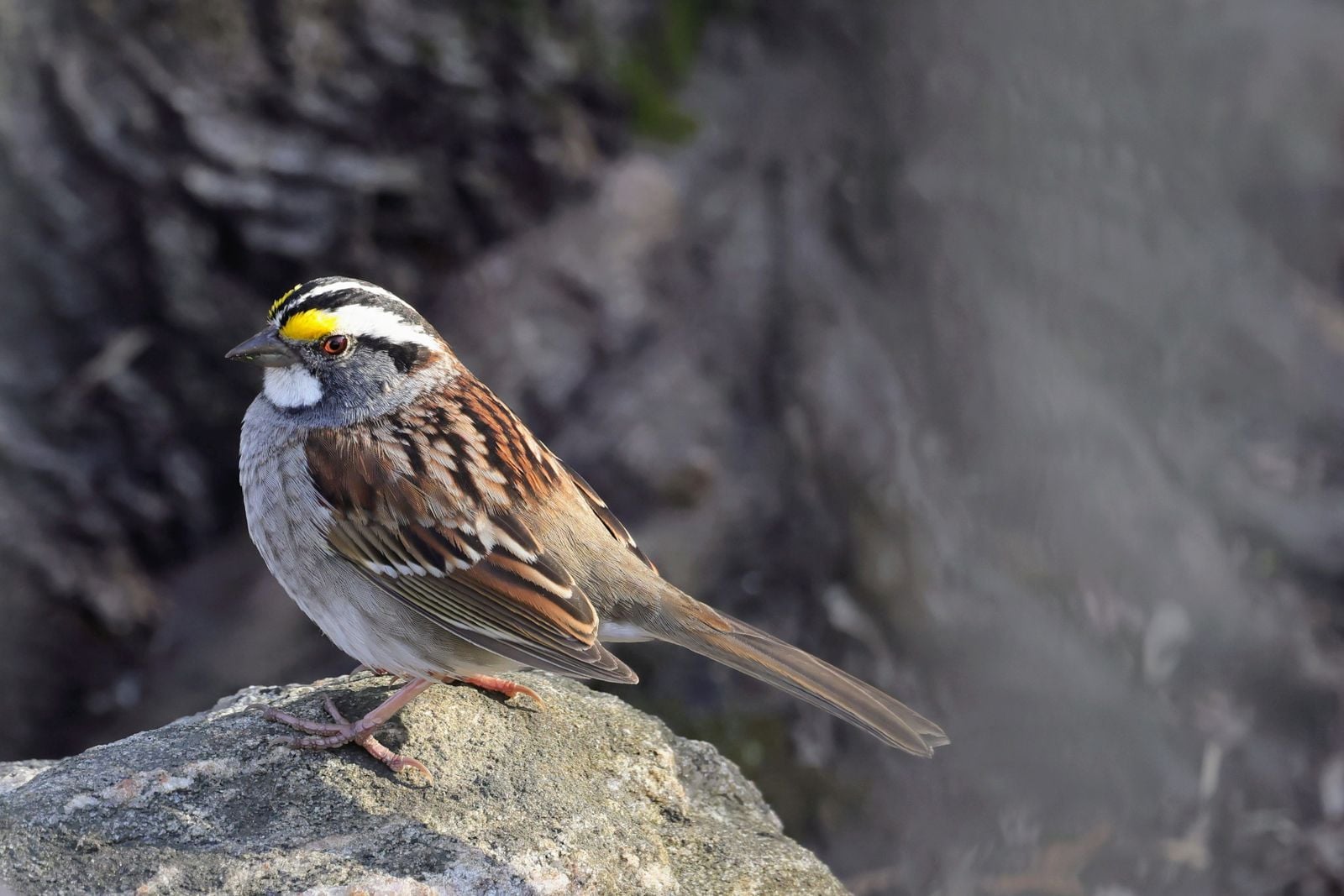
Nobody talks about why men in their sixties suddenly become interested in birds, trees, and the names of clouds, and it isn't a personality shift, it's that they finally have permission to pay attention to things that don't produce anything
When men finally reach their sixties, their sudden passion for birdwatching isn't nostalgia or a morbid reckoning with mortality—it's the first time…
 Think Deeper
What Hemingway's "True Nobility" Quote Is Actually Saying — And What It's Not
Hemingway wasn't telling you to compete with yourself — he was pointing out that the comparison most adults run all day, with…
 Think Deeper
Half your suffering is coming from trying to control things that were never yours to control — the weather, the traffic, whether people like you, how someone interpreted a message you sent three days ago
We spend enormous amounts of mental energy trying to control things that were never ours to control — the traffic, whether someone…
 Think Deeper
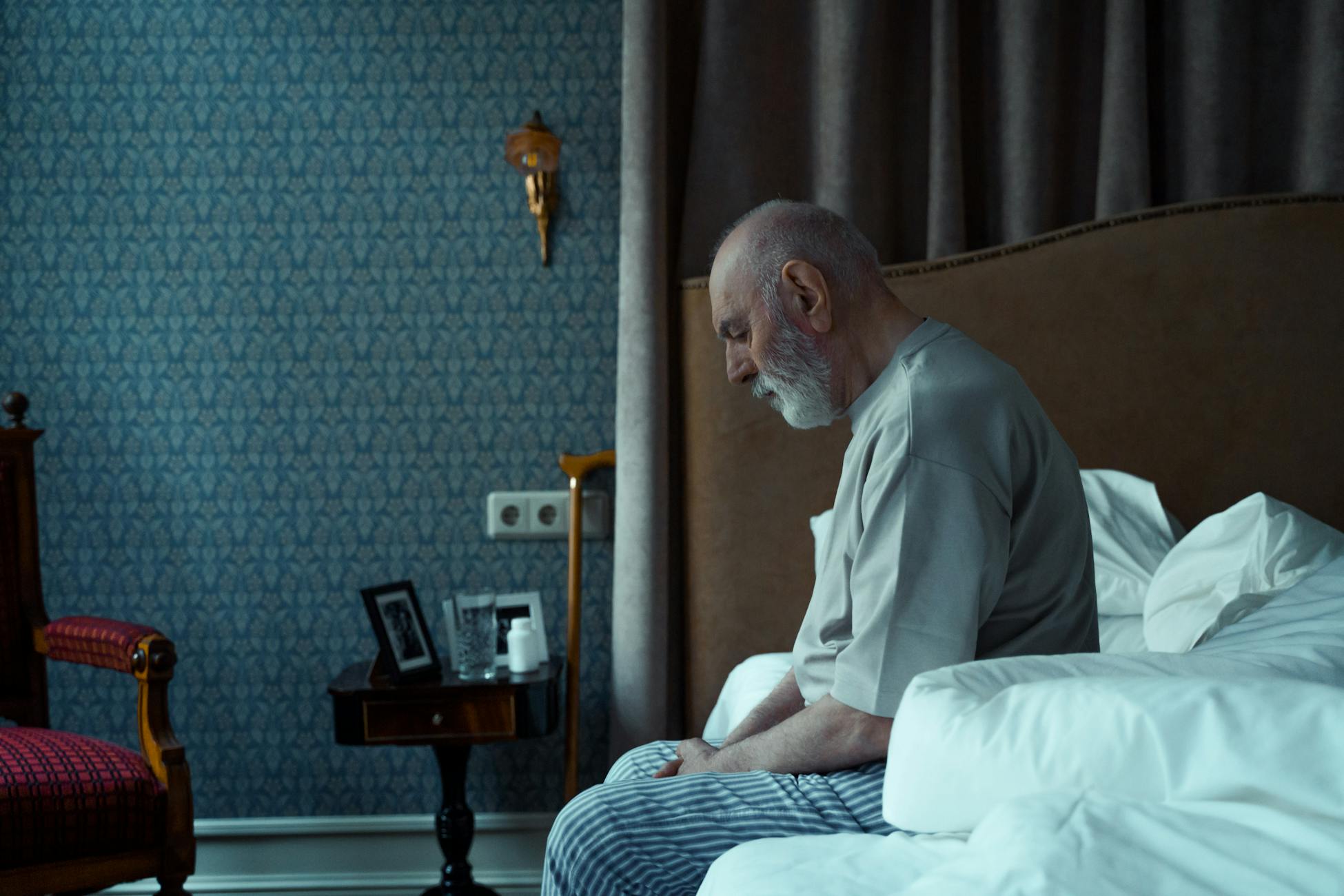
People who reach retirement with no close friends are sometimes the people who held closeness to a higher standard than most adults are willing to apply — and the small daily cost of that standard accumulated quietly into the season they're sitting in now, which isn't really loneliness so much as honest accounting.
Some adults reach retirement with very few close friends not because they failed at relationships, but because they held closeness to a…
 Think Deeper
Psychology says people who become happier in their second half of life usually haven't fixed their problems — they've simply stopped treating their problems as obstacles to happiness
The adults who become happier in late life haven't fixed their problems — they've stopped treating their problems as obstacles to happiness,…
Page 2 of 15