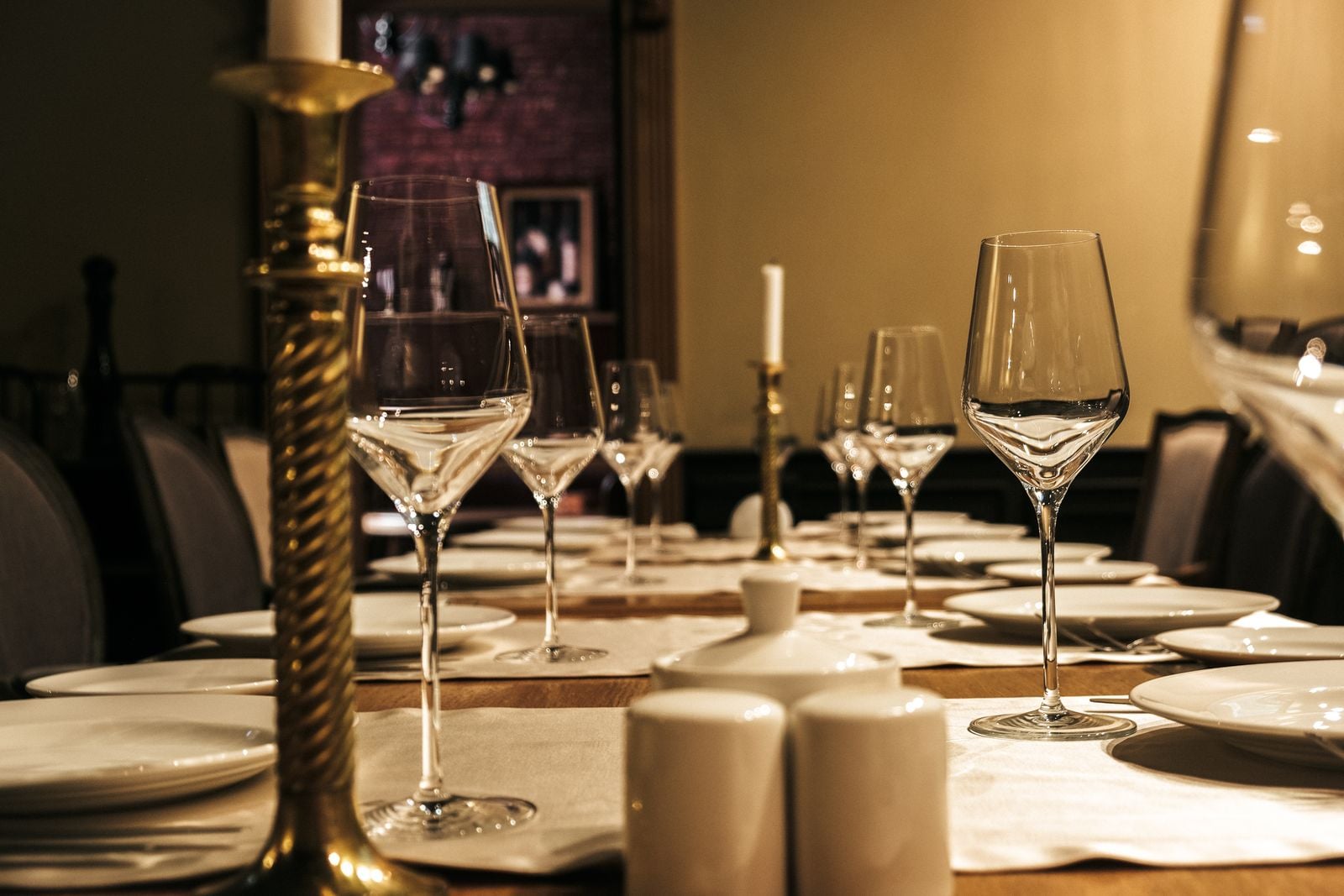
Psychology says people who insist on real plates and cloth napkins even when they're eating alone aren't being fussy, they figured out that how you treat yourself when nobody is watching is the relationship that decides every other one
How you treat yourself in private—the small rituals nobody witnesses—shapes your capacity for meaningful relationships and determines your sense of self-worth far more than any public performance ever could.
The conventional read on someone who pulls out the ceramic plate, folds a linen napkin, and pours sparkling water into a stemmed glass for a Tuesday night dinner alone is that they are performing.
Performing for Instagram, for an imagined partner, for the version of themselves they wish they were. The more generous reading is that they are simply fussy, the kind of person who can't relax without a tablecloth. Both readings miss what the research actually suggests. The behavior is not about aesthetics or audience. It is about whether the person believes their own evening counts as an occasion.
The relationship that runs underneath every other one
Self-compassion research, developed largely over the past two decades, makes an argument that took a while to land in mainstream psychology: the way you treat yourself when nobody is watching becomes an internal template for how you expect to be treated by everyone else, including yourself in every future moment. Self-compassion is not self-esteem.
It does not require you to think you are special or accomplished. It requires you to treat yourself with the same baseline kindness you would extend to a friend going through the same day. A friend coming over for dinner would get the real plate. The question is why so many people would not extend that same gesture to themselves.
The implication is not deterministic — adults can and do revise this template — but it explains why some people instinctively set themselves a real place at the table and others, even when they have the time and the dishes, eat standing up over the sink. The person who knows they are worth a real plate at their own table doesn't need someone else to confirm it. Without that internal baseline, every relationship becomes a negotiation: do I deserve this kindness, do I have to perform to keep it, what happens when I'm tired and can't.Photo by ClickerHappy on Pexels
What the napkin is actually doing
There is a tendency to read small domestic rituals as either trivial or performative, and a tendency among certain wellness writers to overload them with meaning they cannot carry. The honest middle ground is that rituals do real psychological work, and the research on this is more grounded than the Instagram version suggests. Small, repeatable transitions — changing clothes, dimming lights, setting a table — may function as cognitive markers that separate one part of the day from another, according to research on evening rituals. They tell the nervous system that the work portion has ended and something else has begun. Without them, the day bleeds into itself.
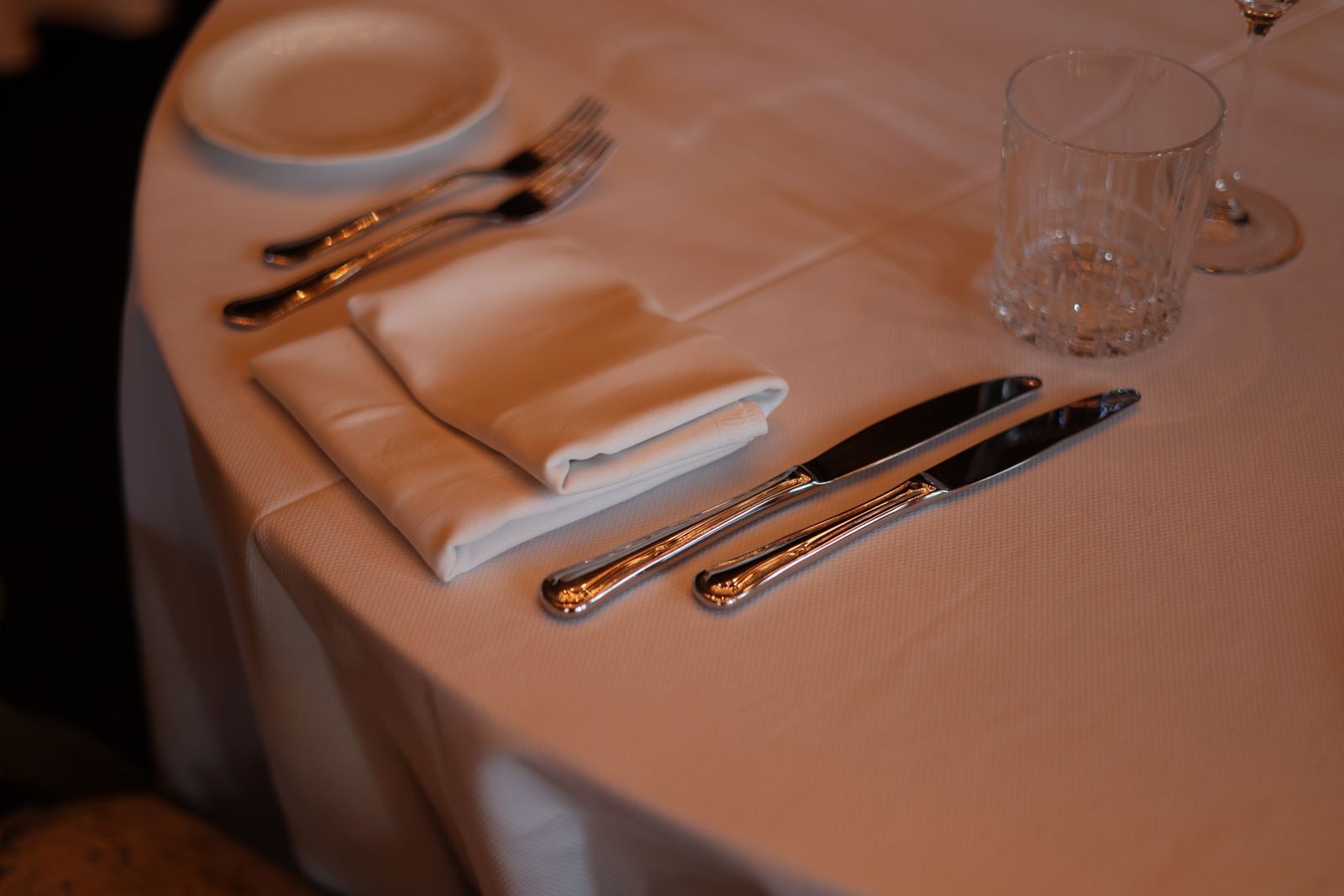
The cloth napkin is doing something more specific than that. It is signaling, to the person using it, that this meal is not a refueling event. It is dinner. The distinction matters because experiences are calibrated differently based on the cues around them. A paper plate at the counter may signal this is something to get through. A real plate at a set table may signal this is something to be inside of. The food has not changed. The relationship to the food has — and that relationship, the self-compassion researchers would say, is the practice ground for every other one.
Ritualistic evening routines are associated with better emotional regulation and stronger psychological well-being, and self-compassion is one of the most reliable through-lines connecting them. The plate and napkin are one expression of that broader pattern, not a magic talisman. Someone who lights a candle and uses chopsticks from a drawer is doing the same psychological work.
The private behavior that predicts the public one
People who scored higher on self-compassion also tended to score higher on empathy and lower on social dominance orientation — the belief that some groups are inherently above others, according to research on self-compassion and social attitudes. The private kindness, in other words, generalizes outward.
This is the mechanism the title is gesturing toward. The private relationship sets the template. Someone who treats their own evening as an event worth honoring is, on average, more likely to treat other people's experiences as worth honoring too. Someone who eats over the sink because they don't think they deserve the dish-washing labor is often the same person who undervalues their own time at work, in friendships, in negotiations about what they want. The behavior is consistent because the underlying self-model is consistent.
The reverse is worth taking seriously as a counterargument. Some people who set elaborate tables for themselves are doing it as a kind of armor — a way of managing anxiety by controlling the small things because the large things feel ungovernable. The behavior looks identical from the outside but the internal experience is closer to compulsion than to care. Self-compassion researchers draw a clear line here: self-compassion is warmth without demand, while perfectionist ritual is demand without warmth. The same gesture can come from very different places.
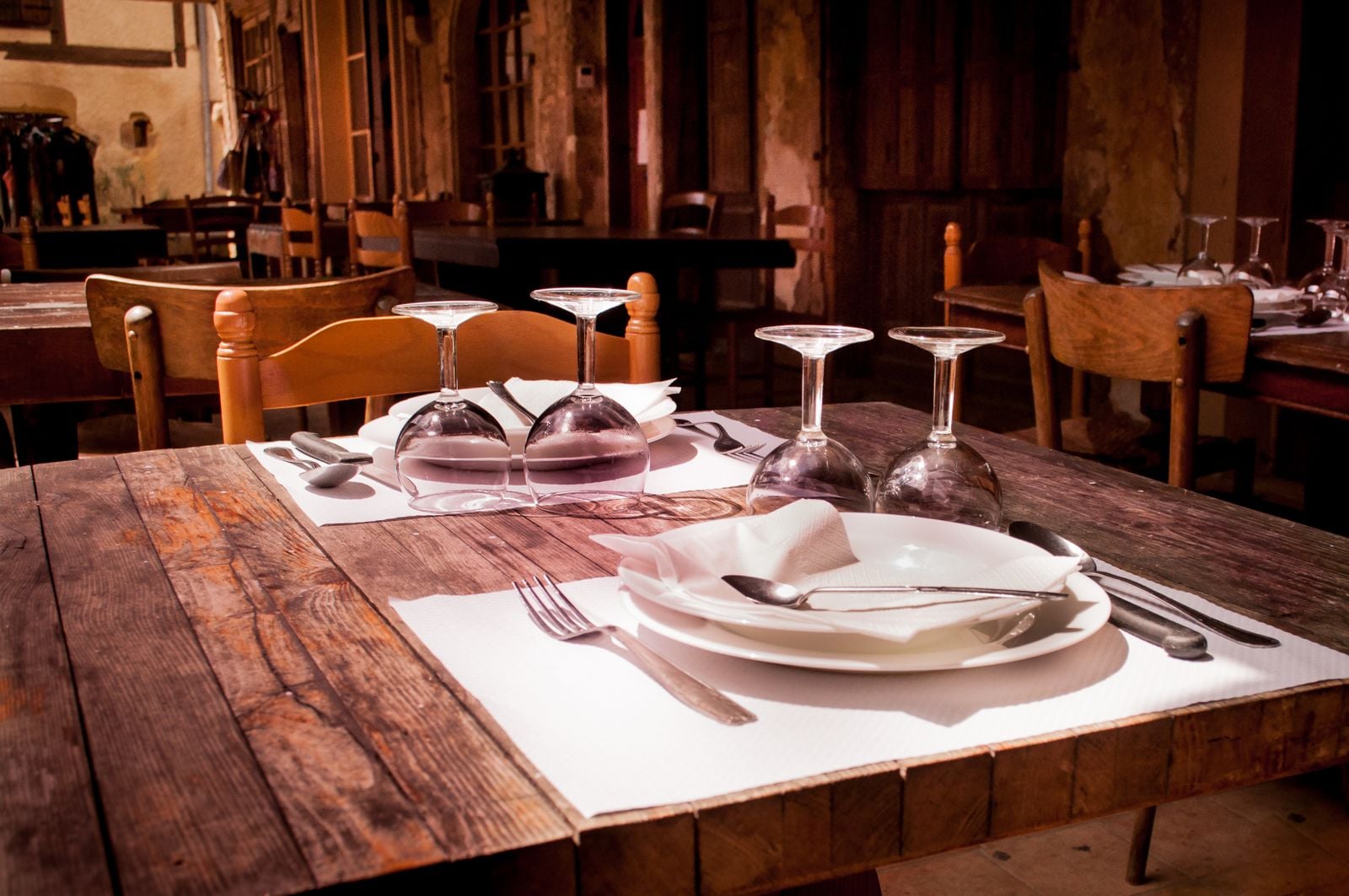
Photo by Valeria Boltneva on Pexels
What self-care actually is, and what it isn't
The phrase self-care has been so thoroughly colonized by skincare brands and bath bomb marketing that its original psychological meaning has gotten lost. One framing, picked up in a recent piece on what self-care really means, suggests self-care includes self-soothing, self-discipline, and self-compassion, and most adults were never taught any of them explicitly. They were taught to take care of others. They were taught to be useful. The skill of taking yourself seriously as a person worth tending to is something many people have to learn in adulthood, often slowly and against their own instincts.
This is the part of the conversation that resists Instagram aestheticization. Real self-compassion often looks like doing the unglamorous thing — going to bed when you said you would, saving the money, having the hard conversation with yourself about why you keep avoiding a particular task. The cloth napkin is downstream of that work. It is what becomes possible once the underlying relationship has shifted, not a shortcut to shifting it.
The counterpoint is worth sitting with. Bryan Johnson, widely regarded as one of the world's most health-optimized individuals, has made his extreme self-optimization rituals a public project — and one of the more haunting observations about his approach is that it unfolds in near-total isolation, producing a kind of longevity without the human connection that makes life worth living. The self-compassion researchers would note the distinction: warmth without relationship is closer to maintenance than to care.
The dinner alone is the relationship
There is a piece VegOut explored recently about people who eat alone in restaurants without scrolling through their phone, and the argument there was similar: at some point, the person stops needing a witness to feel that the meal counts. The cloth napkin at home is the domestic version of the same arrival. There is no audience, no documentation, no social currency to be earned. The person sets the table because the person eating at the table matters to them.
The same logic shows up in a pattern observed in older adults who have learned that a good cup of coffee, a long walk, and an unhurried book can constitute a full day. The shared trait across these populations is not affluence or free time. It is the internalized sense that small private experiences are real experiences, worth the slowing down and the care.
Why this is the relationship that decides every other one
Studies have repeatedly found that people higher in self-compassion report greater relationship satisfaction, are rated by their partners as more emotionally available, and recover faster from interpersonal conflict. They are less reactive, less hungry for validation, less likely to mistake performance for connection. The reason is structural: someone who has worked out how to extend steady, unconditional care to themselves has, in effect, been rehearsing the exact skill that intimate relationships require.
A related pattern holds in research on caregiving: those who maintained small private practices of self-compassion reported better capacity for the relational work of caring for others. The private ritual was not a distraction from the relationship. It was what made the relationship sustainable. Caregivers who could not extend kindness to themselves burned out; the ones who could, kept showing up.
This is what the title means by the relationship that decides every other one. Not that the cloth napkin alone determines your romantic future, but that the underlying capacity it points to — the ability to treat yourself with warmth when no one is watching — is the same capacity you bring into every other room. You cannot reliably extend to others what you have not figured out how to extend to yourself. The dinner alone is where that capacity gets built, one Tuesday at a time.
None of this means the cloth napkin is required. The point is not the napkin. The point is whether, somewhere in the architecture of your week, there is evidence that you treat yourself as someone worth setting a table for. The form is negotiable. The underlying gesture is not. People who have figured this out are not fussy. They have worked out, often the hard way, that the relationship nobody sees is the one that shapes all the ones everybody does.