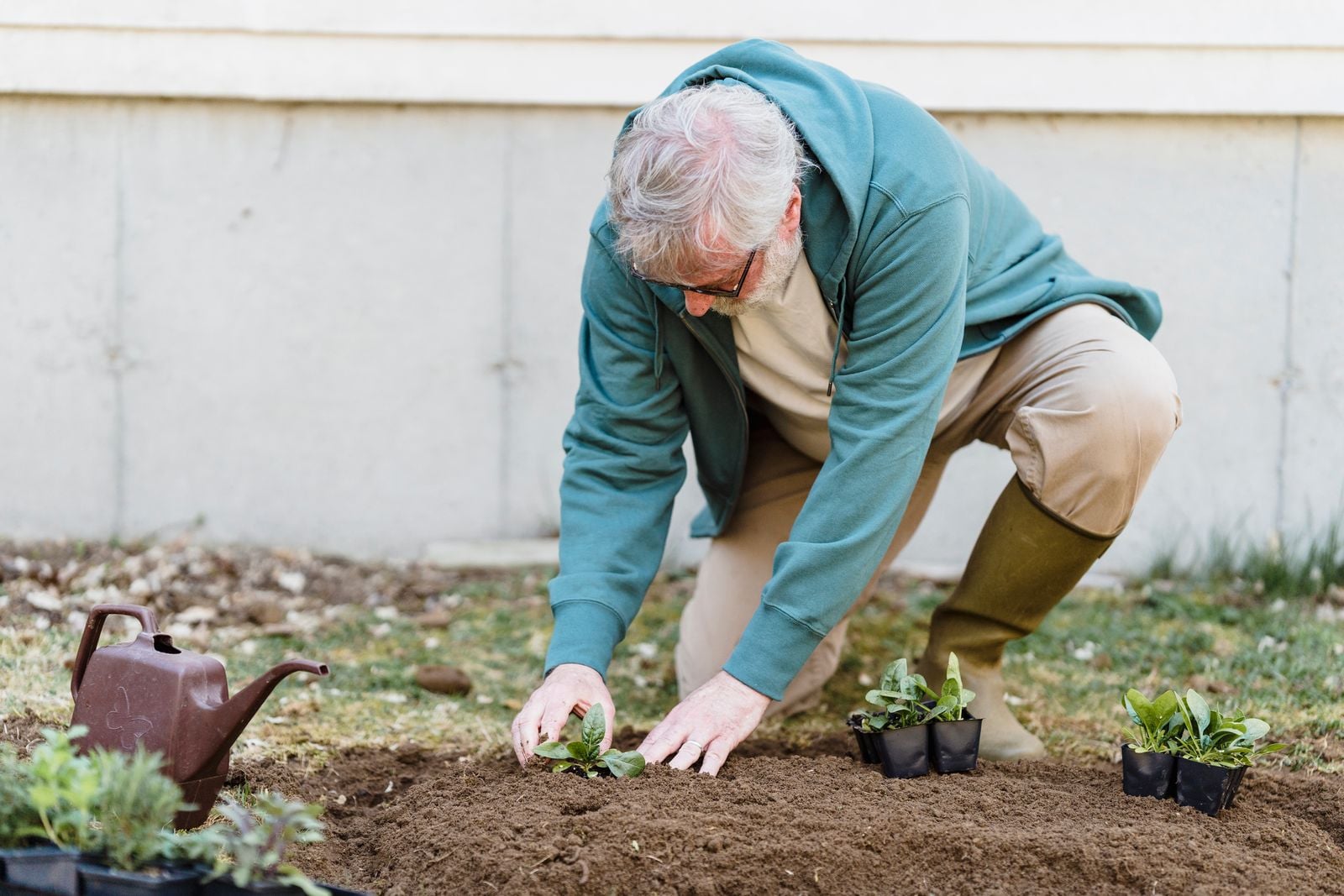
Older adults who garden are often described as though they are simply filling the day.
That reading misses what is happening. A garden is not just a pleasant place to pass time. It gives the day structure, asks the body to move, pulls attention outdoors, rewards return, and keeps a person oriented toward something that has not happened yet.
In other words, the tomato seedlings are not incidental. They are part of the point.
And the research increasingly supports what many older gardeners already understand in their bones: having something to tend can change the shape of a life.
The cliché has the causation backwards
The conventional reading goes: older adults garden because they have time. The honest reading goes: older adults who garden tend to stay sharper, calmer, and more cognitively resilient than peers who don't, and the activity itself appears to be doing real work on the nervous system, the brain, and the sense of self.
That's not a small claim. So it's worth walking through where it comes from.
Purpose is a health variable, not a personality trait
Research on older adults shows that a strong sense of purpose in life can buffer the cognitive damage usually associated with chronic stress, particularly the stress of repeated discrimination.
Purpose here is a measurable orientation captured by agreeing with statements like those about enjoying planning for the future or having structure in one's life. It's the difference between a life that has structure pulling it forward and a life that doesn't.
And the activities that build it are unspectacular. Participation in leisure activities is associated with more purpose in life, and people who keep doing those activities show fewer declines in purpose over time.
Gardening qualifies. It demands planning. It rewards return. It has a future tense built into it, because what gets planted in April matters in July.
What the dirt is doing to the brain
The second piece of this is the outdoor part. Research has found that a walk in a forest or green space decreased amygdala activation, the brain region most associated with stress processing. EEG and MRI work showed corresponding shifts in brain wave patterns linked to restoration of attention.
The dose required is smaller than most people think. Positive mental health outcomes were similar whether someone spent long periods in nature or took short outdoor breaks throughout the day. The mountains aren't required. A back garden counts.
What also matters: the benefit isn't tied to exertion. Small tasks like watering plants are linked to reduced depression and anxiety, independent of how much exercise is happening. The body needs to be outside, with hands occupied, doing something the eye can follow.
A 74-year-old deadheading roses for forty minutes is not merely keeping busy. In stress-regulation terms, they may be giving their brain and body something useful.
Hobbies aren't decoration
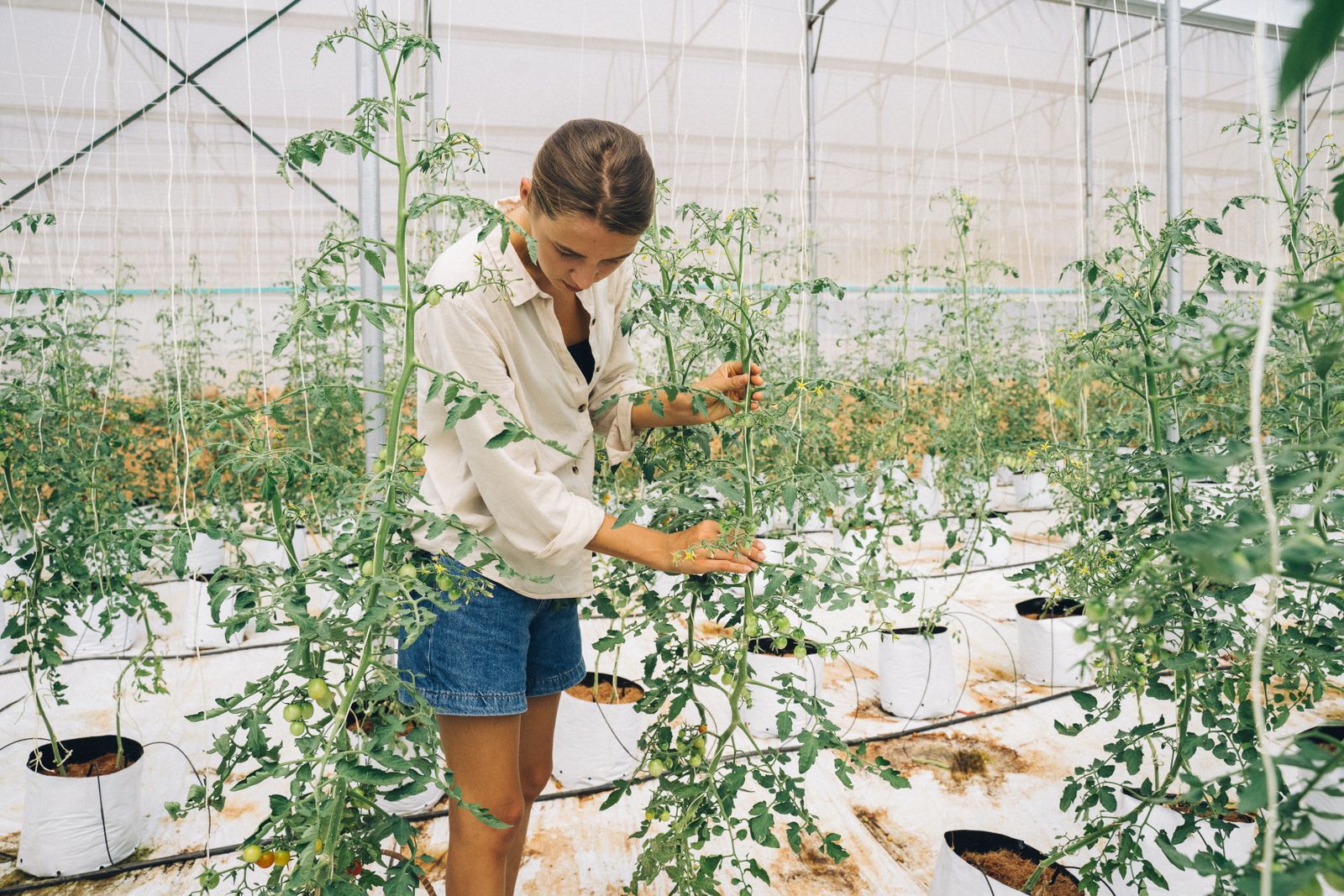
The third strand is what hobbies do generally, which has been studied to a degree the word "hobby" doesn't really suggest. Hobbies improve negative emotions, boost self-efficacy, and contribute to a stronger sense of purpose.
Self-efficacy is the operative word. Gardening involves a tight feedback loop between effort and outcome. You did something, and something happened. The seedling lived or it didn't. The pruning worked or it didn't. For people whose working lives involved decades of ambiguous outcomes, meetings that went somewhere unclear, projects whose impact was impossible to measure, that legibility is its own form of relief.
This is part of what draws so many adults into gardening in their fifties, and what keeps them at it twenty years later. The garden answers back.
The happiness curve and what it actually means
There's a related body of research often summarized to suggest that life satisfaction increases with age, though this framing can be misleading. That's broadly true but easy to misread. The U-curve model of life satisfaction, where life satisfaction dips in midlife and rises again into the older decades, is often used to explain why older adults report higher meaning and life satisfaction, even when moment-to-moment pleasure looks similar across ages.
Meaning is the variable that responds to what people actually do with their days. It's why a 74-year-old without something structuring their week, without a garden, a grandchild route, a volunteer shift, or a standing coffee, may report satisfaction levels that don't match the curve.
The curve is an average. Underneath it, individual outcomes track closely with whether the day has a shape.
Why gardening specifically, and not just any activity
It's worth being honest here. The research doesn't say gardening is uniquely magical. Walking does similar things. Volunteering does similar things. Spending real time with friends does similar things. The available research all points to the same cluster of mechanisms: outdoor exposure, purposeful activity, social engagement, and self-efficacy. Gardening just happens to bundle several of them at once.
What gardening has that some of the alternatives don't is a timeline that runs longer than the gardener. Bulbs planted in October bloom in March. A fig tree put in at 72 fruits properly at 76. The activity assumes a future, and asking the body to assume a future appears to do something to the mind.
This is consistent with what's been observed about people who seem most alive in their seventies. They tend to have something unfinished that they want to come back to. A garden is, by design, never finished.
The counterargument worth taking seriously
There's a fair objection to all of this. People who garden in their seventies may be healthier in the first place. They can kneel. They can lift a watering can. They have a garden, which is to say they have housing stability, disposable time, and probably a degree of financial security. Selection effects are doing a lot of work in the data.
There's a thoughtful video by Jeanette Brown that explores this idea further, especially how having meaningful work in retirement isn't just nice to have, but essential for keeping our minds engaged and our sense of purpose intact.
That's true. And it's why more careful studies control for baseline health and isolate the mechanism, not just the activity. The brain change from time outdoors is real even in people who weren't gardeners to begin with. The cognitive buffering from purpose is real even after adjusting for income, education, and health.
The activity is doing something. Gardening keeps people healthier, longer, in measurable ways, not only because healthy people garden in the first place.
What this changes about how to read an older gardener
The cultural image of the older gardener as someone gently filling time misses what's structurally happening. A 74-year-old who plans the spring planting in January is practicing memory, sequencing, patience, and problem-solving. The same person spending two hours outside with their hands in soil is exposing themselves to the kind of green space associated with reduced stress activity in the brain. The same person checking on the tomatoes every morning has built a daily structure that aligns with most expert guidance on healthy aging: routine, outdoor time, gentle physical engagement, and social or intergenerational contact when grandchildren visit.
None of this requires the gardener to call themselves anything. They don't need to identify as a wellness practitioner or a longevity hacker. They're just gardening. The outcomes are happening anyway.
The systems point
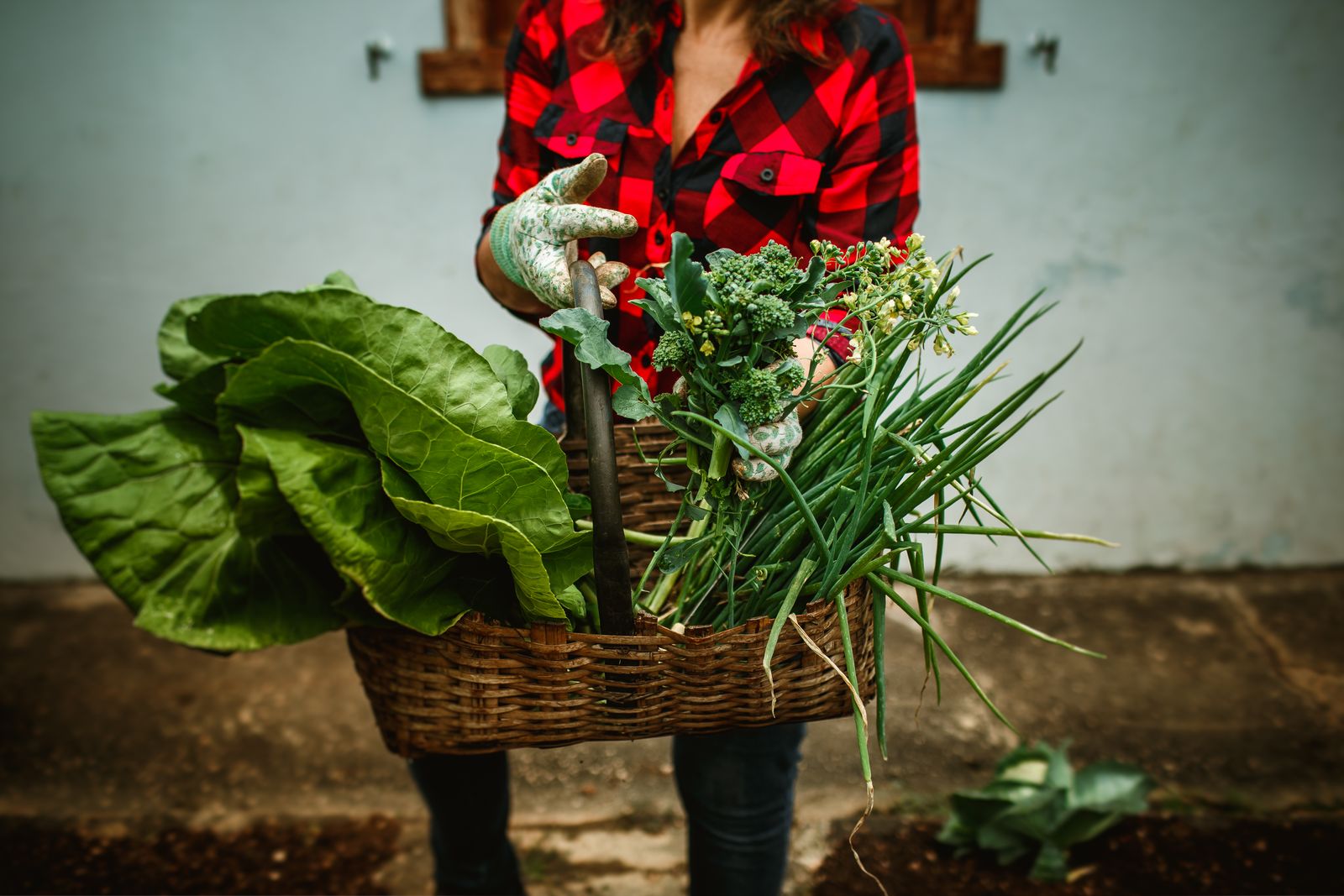
The harder, more uncomfortable observation is that access to this is uneven. Gardening requires land, or at least a balcony, or at minimum a community plot within walking distance. Older adults in dense rental housing, in food deserts, in neighborhoods without green space, can't easily replicate the benefit. The research on outdoor time being good for the brain is undermined, at the population level, by the reality that outdoor time is unequally distributed.
This is where the framing matters. When advice about gardening for older adults is framed merely as a lifestyle tip, it misses the broader public health argument for green space and accessible community gardens. The accurate version reads as a public health argument for green space, community gardens, accessible plots in senior housing, and zoning that treats outdoor access as infrastructure rather than amenity.
The 74-year-old with the tomatoes is benefiting from a set of conditions: land, mobility, time, and safety. A lot of their peers don't have those conditions. The activity is doing what the research says it does. The question is who gets to do it.
What's actually happening in the garden
A retiree at the raised beds in July is running several systems at once. Purpose, in the measurable sense. Outdoor exposure, in the neurological sense. Self-efficacy, in the psychological sense. A future tense, built into the soil. A daily structure that doesn't require anyone else to participate or approve.
None of that is passing time. Passing time is what you do when the day has nothing in it. The garden has something in it. That's the entire difference, and it's also most of the point.