Midlife gardening isn't a hobby—it's the first time in decades adults get to nurture something that doesn't judge, compete, or demand they prove their worth.
The standard story about midlife gardening goes like this: people slow down in their fifties, the kids leave, time opens up, and a hobby fills the gap. It's a tidy narrative. It's also too small. Gardening at fifty isn't only about filling time. For many people, it's about finally getting to spend time on something that doesn't audit them.
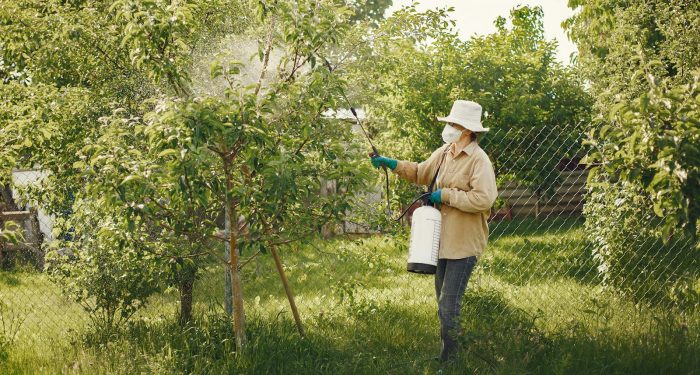
I've watched this in friends, in coaching clients, in my own circle. A woman who ran a department of forty for twenty years suddenly knows the Latin name for every salvia in her yard. A man who managed budgets in the millions is on his knees in the dirt at seven on a Saturday morning, quietly delighted. The garden looks like a hobby from the outside. From the inside, it can feel like something closer to a reset.
The performance years finally loosen their grip
By the time many adults hit their fifties, they've spent three decades being evaluated. Performance reviews. Parent-teacher meetings. Promotions. Audits. The looks of teenagers who find them embarrassing. The endless management of other people's emotions, expectations, and outcomes.
This is the texture of midlife caretaking that doesn't show up on a resume. You become responsible not just for getting things done, but for what other people feel about the way you get them done. The accountant in you never closes the books.
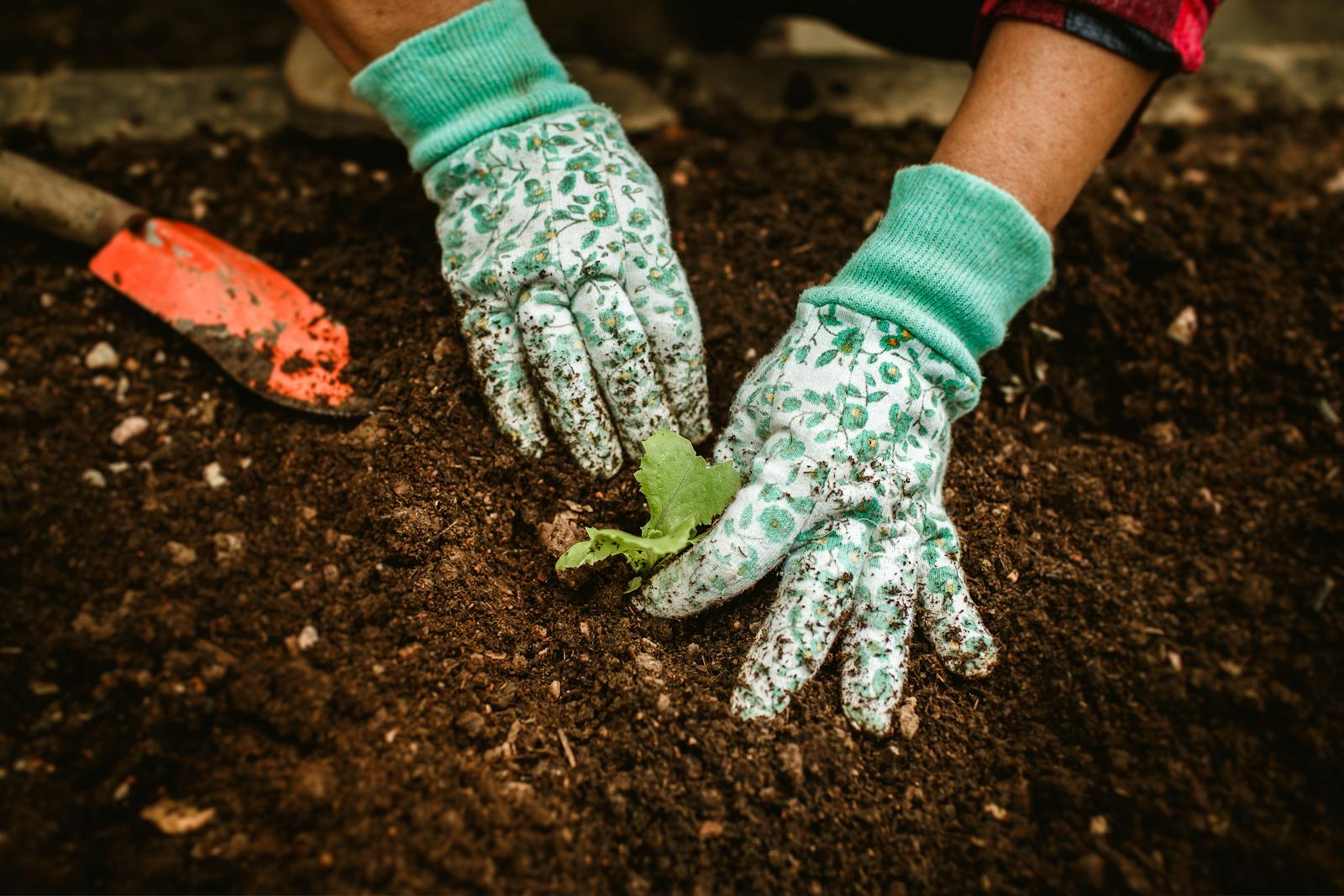
Then one day you plant a tomato. The tomato has no opinion of you. It does not subtweet you. It does not ask why you didn't call. It either grows or it doesn't, and if it doesn't, the failure is quiet and personal and contains no one else's disappointment.
That, more than any grand theory, is part of what's actually happening.
What the midlife research complicates
The old midlife crisis story has been getting more complicated. For years, researchers described well-being as a U-shape across adult life, with happiness dipping around midlife and rising again later. More recent work has challenged that familiar picture. In a 2025 paper in PLOS ONE, researchers found that the old hump-shaped pattern of ill-being had been replaced in their data by a more steady decline in ill-being with age, driven largely by worsening mental health among younger people.
That doesn't mean every person in their fifties is suddenly serene. It doesn't mean midlife is easy. But it does challenge the lazy image of the fifty-something adult as a walking crisis, desperate for a red sports car, a new identity, or a bag of tulip bulbs to distract them from regret.
The better question isn't why midlife adults are miserable and grasping at petunias for relief. The better question is what some people choose to do with the room they finally have, even if that room is only a few square metres of soil behind the house.
Autonomy is the missing word
The word that matters here is autonomy. A 2025 study in Social Indicators Research found that autonomy is associated with well-being across cultures, with the connection appearing especially strong in wealthier and more individualistic countries. The researchers describe autonomy as a sense of volition, self-direction, and self-endorsement: the feeling that your life is, in some meaningful way, yours.
Read that idea again, and then think about the average fifty-three-year-old's day for the past twenty years. Choice and control over how it turns out? Hardly. Most of it has been negotiated with bosses, partners, children, ageing parents, bills, school calendars, medical appointments, and the silent pressure to stay competent in public.
The garden is one of the few places left where autonomy can be almost total. You decide what goes where. You decide when to water. You decide whether the back fence is going to be roses or natives or a wild mess of self-seeded poppies. Nobody has a meeting about it.
This is not a small thing. For adults whose competence has been constantly performed for the approval or comfort of others, a square of dirt under their own jurisdiction can feel like a quiet reclamation.
The thing that doesn't keep score
Here's what I notice in my coaching work with adults in their fifties and sixties. They are tired in a very particular way. Not tired from labour, exactly. Tired from being read.
For decades, every choice has been observed and assessed. Was that the right call at work? Did I handle that right with my daughter? Was I too sharp in the meeting? Should I have called my mother on Sunday instead of Tuesday? The internal scoreboard runs constantly, and it's been running since their twenties.
Plants don't keep score. They don't remember last week. They aren't building a case against you. If a hydrangea sulks, it sulks because it needs more shade, not because of something you said in 2003.
This is what people often mean when they describe gardening as restful even though it involves squatting, hauling, sweating, and lifting things they probably shouldn't. The body works. The mind, finally, does not have to manage anyone.
Why a hobby doesn't quite cover it
Calling this a hobby misses some of what's happening. A hobby is something you do for enjoyment, and gardening can certainly be that. But at midlife, it can also overlap with what developmental psychology has long called generativity.
Erik Erikson used generativity to describe a major task of middle adulthood: the desire to create, nurture, guide, or contribute to something that extends beyond the self. A garden gives that impulse physical form. You plant something now that may become shade later. You feed soil that may feed someone else's salad. You learn the slow grammar of seasons, roots, compost, pruning, and return.
The work is forward-pointing in a way that much modern work is not. The spreadsheet you built last Tuesday is already obsolete. The lemon tree is just getting started.
This is also why so many people in this stage keep learning into their sixties and seventies, taking on horticulture, native plant identification, seed saving, soil chemistry, or the stubborn local politics of compost bins. It looks like a pastime. It may also be a quiet reclamation of intellectual self.
The body gets a different kind of task
The research on gardening and well-being is promising, but it is worth keeping the claim modest. A 2022 PLOS ONE pilot randomized controlled trial compared group-based indoor gardening with art-making among healthy women who had not gardened before. Participants completed eight one-hour sessions, and the researchers measured changes in mood, stress, anxiety, depression symptoms, quality of life, and related outcomes.
That does not prove gardening is a cure for anything. It does not mean everyone should swap therapy, medicine, rest, or social support for a packet of seeds. But it does support a smaller and more useful point: even novice gardening can be meaningful enough to study as a well-being intervention, and the benefits do not appear to be reserved for lifelong gardeners.
That makes intuitive sense. Gardening gives the body a task that is repetitive without being empty. You kneel. You reach. You water. You notice. You make small adjustments and wait. After decades of fluorescent lights, inboxes, calls, and back-to-back Zooms, that kind of grounded attention can feel unusually humane.
The quiet relationship with time
There's something else gardeners in their fifties don't always say out loud. The garden is one of the few places where you can be in honest relationship with time. Things die. Things come back. The cycle is not a metaphor. It is the actual content of the work.
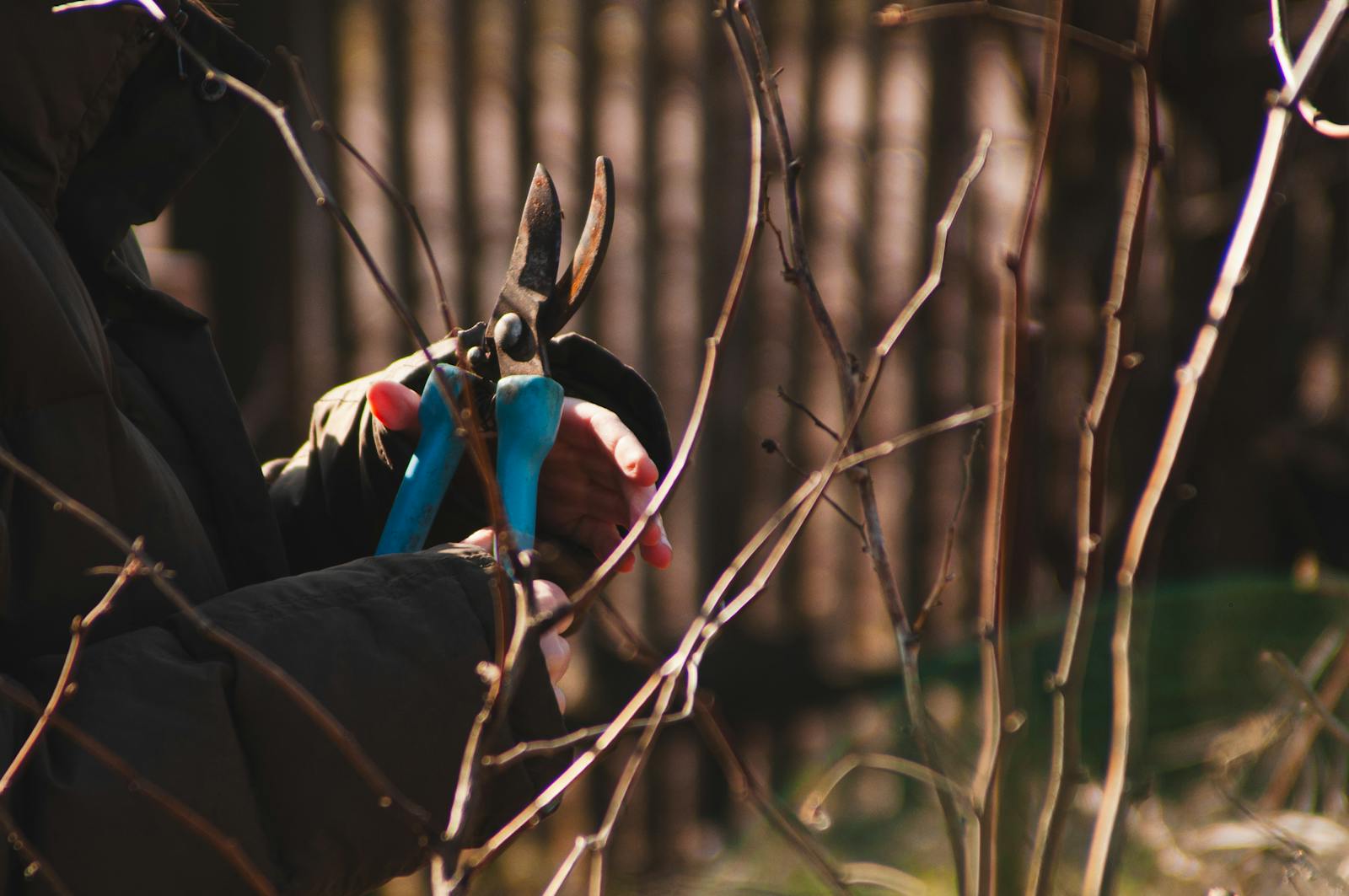
For people whose parents are ageing, or have died, or whose bodies are starting to give them notice, the garden offers a kind of philosophical training that is hard to get elsewhere. You learn to plant things you may not see fully grown. You learn that loss is built into life, and that this isn't always tragic. Sometimes it is simply structural. You learn to find the dignity in pruning.
Why this isn't a retirement cliche
The cliche says: retirement, gardening, slippers, decline. The reality is often closer to the opposite. Many of the most engaged gardeners I know are still working, still consulting, still raising teenagers, still on boards, still answering messages they meant to ignore. Gardening isn't the substitute for vitality. It's where vitality goes when it's no longer required to perform itself for anyone else.
This connects to something many adults at this stage seem to rediscover: genuine preference. Not a preference shaped by usefulness, status, efficiency, or what it says about them. Just preference. You discover you actually love dahlias. Not because anyone asked. Not because it photographs well. Because you do.
That kind of unselfconscious liking is rarer in midlife than people admit. So many tastes have been shaped by what they signal to others. The garden, hidden behind a fence, signals almost nothing. That is part of its freedom.
The counterargument worth taking seriously
Plenty of people in their fifties never start gardening, and they're not missing some secret stage of adulthood. Some don't have land. Some have health issues. Some hate dirt. Some find the same kind of restoration in walking, reading, music, swimming, cooking, or the slow work of restoring a piece of furniture.
The point isn't that gardening is the answer. The point is that something like gardening, something that doesn't keep score, doesn't talk back, and doesn't require performance, often becomes more important at this stage.
For some it's a workshop. For some it's a kitchen they finally cook in slowly. For some it's the swimming pool at six in the morning when no one else is there. The form changes. The function is similar.
What it offers, in plain terms
If you want the short version of why so many adults in their fifties suddenly take up gardening, it's this. After thirty years of being responsible for what other people think of how they're doing, they've found a corner of the world that doesn't think of them at all.
The plants are not impressed. The plants are not disappointed. The plants are just plants.
And in that absence of judgment, something old and slightly wild comes back. The self that existed before the performance reviews. The one that liked the smell of dirt and the colour of green and the satisfaction of pulling a weed cleanly with the root attached.
It's not just a hobby. It's not a retirement cliche. For many people, it's a homecoming, conducted quietly, on weekends, in old clothes, with no audience. Which is precisely the point.