

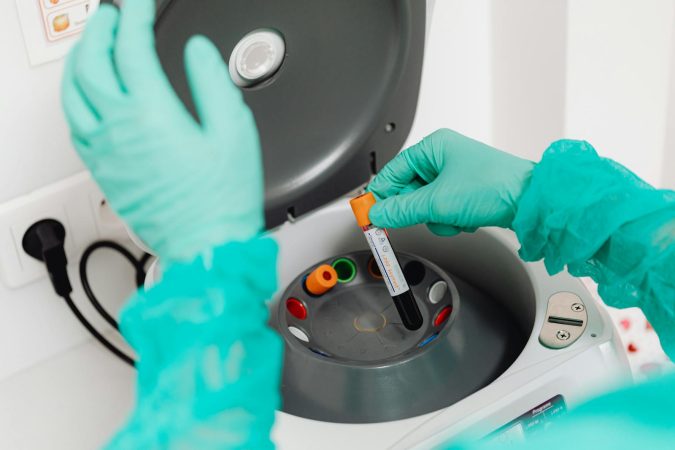
Oncologists at Ohio State warn that high-dose biotin, popular for hair regrowth, can distort the blood tests used to monitor prostate, thyroid, ovarian, and breast cancers — potentially masking recurrence or delaying treatment.
A vitamin sold for thicker hair and stronger nails is drawing fresh concern from cancer specialists because it can interfere with blood tests doctors use to monitor treatment, recurrence, and hormone levels.
The supplement is biotin, also known as vitamin B7. It is found naturally in foods and is needed in tiny amounts. But the doses sold in many hair, skin, and nail products are not tiny. Some tablets contain 5,000 to 10,000 micrograms per pill, far above the 30-microgram daily value used on U.S. supplement labels.
That matters because high-dose biotin can distort certain lab tests. The concern is not that the vitamin changes the cancer itself. It is that it can interfere with the chemistry of some immunoassays, the lab methods used to measure hormones, tumor markers, and other substances in the blood.
In a 2025 article in JCO Oncology Practice, researchers warned oncologists that biotin supplements marketed for hair and nail regrowth can skew cancer-related lab results. Cancer Today, a publication of the American Association for Cancer Research, summarized the concern plainly: biotin can make some results appear falsely high or falsely low, including tests used in the care of people with prostate, thyroid, breast, ovarian, endometrial, germ cell, and paraneoplastic cancers.
Why a hair supplement can confuse a cancer test
Many lab tests rely on a strong binding reaction between biotin and streptavidin. In the lab, that reaction helps capture and measure the substance being tested. But when a person has a high level of biotin circulating from supplements, that extra biotin can compete with the test chemistry and distort the result.
The direction of the error depends on the design of the test. In some “sandwich” immunoassays, the result can read falsely low. In some competitive immunoassays, it can read falsely high. That is why the same supplement can potentially make one marker appear suppressed while another appears elevated.
The U.S. Food and Drug Administration has warned that biotin, often found in dietary supplements, can significantly interfere with certain lab tests and cause incorrect results that may go undetected. The agency has been especially concerned about troponin tests, which are used when doctors are checking for a heart attack.
In oncology, the risk is quieter but still serious. A prostate cancer survivor’s PSA could appear lower than it really is if the specific assay is vulnerable. Hormone results could appear falsely elevated, potentially affecting decisions around endocrine therapy. Thyroid-related tests can also be distorted, which matters for people being monitored after thyroid cancer.
The cancers most likely to raise concern
The 2025 oncology warning highlighted tests used in the care of several cancers, including prostate, thyroid, ovarian, breast, endometrial, germ cell, and paraneoplastic cancers. These are not fringe tests. They are the kinds of blood results doctors may use to decide whether a treatment is working, whether a cancer might have returned, or whether a hormone-sensitive cancer should be managed differently.
That does not mean every lab result from every patient taking biotin is automatically wrong. The risk depends on the dose, timing, kidney function, assay platform, and whether that specific test uses biotin-streptavidin chemistry. Some platforms have redesigned tests to reduce the problem, while others may still be vulnerable.
But the larger editorial point is simple: a supplement that feels cosmetic can create medical confusion. A patient may think they are taking something harmless for hair regrowth, while their doctor is interpreting bloodwork that no longer reflects the full picture.
Biotin is common, but deficiency is not
Biotin itself is not exotic. The National Institutes of Health’s Office of Dietary Supplements notes that most people in Western countries consume adequate amounts through food, and that severe biotin deficiency in healthy people eating a normal mixed diet has never been reported.
Foods such as meat, fish, eggs, seeds, nuts, and some vegetables naturally contain biotin. That is why the supplement aisle can be misleading. The body needs biotin, but that does not mean most adults need thousands of micrograms a day.
The evidence for biotin as a hair-growth fix is also limited outside true deficiency. Cancer Today reported that while biotin may help people with known vitamin B7 deficiency, the JCO Oncology Practice article found limited data suggesting it helps people with hair loss caused by cancer treatment or other causes.
Why cancer patients are especially vulnerable
Hair loss during chemotherapy can be one of the most visible and emotionally loaded parts of treatment. Patients want something they can do. A supplement bottle promising hair, skin, and nail support feels simple, private, and available without a prescription.
That is exactly why oncologists are paying attention. Dr. Brittany Dulmage, an oncodermatologist at The Ohio State University Comprehensive Cancer Center and senior author of the JCO Oncology Practice article, said many patients she sees for hair-loss concerns are already taking supplements they started after learning about them online, through word of mouth, or sometimes even from a doctor.
Layna Mager, a medical student at the Ohio State University College of Medicine and co-author of the report, told Cancer Today that patients should let their care teams know about supplement use. The issue is not just biotin. It is the broader assumption that over-the-counter products are too minor to mention.
That assumption can break down in cancer care, where decisions may turn on small changes in lab values over time.
The FDA warning goes beyond cancer
Biotin interference is not only an oncology issue. The FDA has warned for years that high levels of biotin can interfere with certain lab tests, including troponin tests used to help diagnose heart attacks. The agency previously said it had received a report of a patient death after falsely low troponin results were produced by a test known to have biotin interference.
That warning matters because emergency bloodwork is rarely planned. A person can stop a supplement before a scheduled cancer-monitoring appointment, but they cannot always prepare for an emergency room visit. If doctors do not know a patient has been taking high-dose biotin, a misleading result may not be obvious.
What patients and clinicians can do
The practical step is disclosure. Patients should tell their oncologist, primary care physician, emergency room staff, and laboratory team about biotin and other supplements, even if they seem routine or cosmetic.
Several laboratory and medical sources recommend holding biotin before planned bloodwork, but the exact window can vary. The AACC guidance document notes that patients who have taken 5 to 10 milligrams of biotin may need to wait at least 8 hours before blood collection, and that longer washout periods, up to 72 hours, may be needed for assays with lower interference thresholds. Cancer Today reported that Mager advised holding biotin for at least 72 hours before planned blood work.
Some patients may need longer, especially at very high doses or when using certain tests. The safest move is not to guess, but to ask the ordering clinician or lab what they recommend for the specific test being performed.
For hair loss related to cancer treatment, the JCO Oncology Practice article pointed to better-established options, including topical minoxidil after treatment and scalp-cooling devices during treatment for some patients. Those choices still belong in a conversation with a care team, but they do not carry the same lab-interference problem as high-dose biotin.
The supplement aisle makes biotin look like a low-stakes beauty product. For many healthy people, it may never cause an obvious problem. But for anyone in active cancer treatment or post-treatment monitoring, the stakes are different. A vitamin with thin evidence for the problem it claims to solve, and real evidence that it can confuse tests doctors rely on, is not a neutral choice.
It is a small pill worth mentioning before the blood draw.