Gardening vegetables you'll never eat isn't about food—it's about having one reliable relationship where effort directly produces visible results, something many of us rarely experience elsewhere in life.
Research on community and home gardening has found that gardeners show measurably lower rates of depression, anxiety, and stress than non-gardeners. The harvest itself barely registers in the data. What predicts the mental health benefit is the act of tending, not the eating.
Which raises a strange question. Why do so many people grow vegetables they don't actually want to eat?
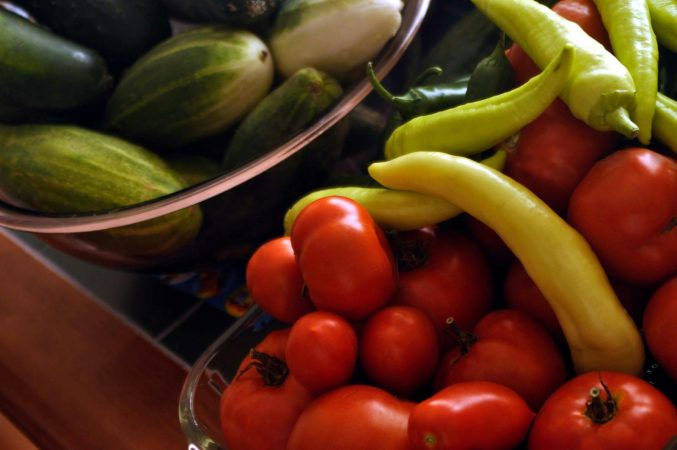
You know the type. The neighbor with eight zucchini plants and a slightly desperate look every August. The coworker pushing tomatoes on anyone who'll take them. The friend who keeps planting kale despite a documented dislike of kale. The conventional read on this is that gardeners are practical people producing food. The data says otherwise. The food is almost incidental.
The relationship hiding inside the raised bed
The conventional wisdom about gardening assumes the goal is the vegetable. Plant seed, eat tomato, repeat. Under that frame, growing food you barely consume looks like waste or stubbornness or a hobby that got out of hand.
A more honest read is that gardening is a relationship. And for a lot of people, it's the most reliable one they have.
Building on self-efficacy theory, human confidence is built primarily through mastery experiences, situations where a person can clearly see that their effort produced a result. No amount of pep talk or external validation builds genuine self-efficacy the way a visible cause-and-effect loop does. You did the thing. The thing happened. You did it again. It happened again.
Most adult relationships do not work like this. You can be a good partner and your partner can still be unhappy. You can be a good employee and still get laid off. You can call your mother every Sunday for a decade and never feel like it landed. The feedback is delayed, distorted, sometimes never arrives at all.
A tomato plant doesn't do that. You water it or you don't. It fruits or it doesn't. The signal is clean.
What the harvest is actually for
Variable-ratio reinforcement, the kind of unpredictable but reliable reward schedule that creates the most persistent behavior in animals and humans alike, describes gardening almost perfectly. You don't know which seedling will make it. You don't know when the first flower will appear or which fruits will set. But you know, with high confidence, that consistent effort over weeks will produce something. The reward is intermittent. The pattern is dependable.
This is the same reinforcement structure that makes slot machines compelling and exercise habits stick. It produces the strongest, longest-lasting behavioral patterns of any reward schedule. Gardening lands in this sweet spot naturally, without anyone having to engineer it.
And there's a piece of this that gets missed in the productivity framing. The harvest, when it comes, is almost beside the point. The behavior has already been reinforced a hundred times by then, every time a sprout appeared, every time a leaf unfurled, every time something the gardener planted did the thing it was supposed to do.
Perceived control and the nervous system
There's a separate body of research on what psychologists call perceived control, the felt sense that your actions can influence outcomes in your environment. Perceived control predicts longevity, cognitive function, and emotional regulation more reliably than many traditional health markers. People who feel they can shape their circumstances live longer and stay sharper.
The reverse is also true. People who feel chronically powerless, whose efforts seem to disappear into a void, develop measurable changes in stress hormone profiles and immune function. This isn't a soft variable. It's structural.
For an adult living through a stretch of life where most outcomes feel decided elsewhere, by employers, by markets, by other people's moods, by health that won't cooperate, a six-foot patch of soil that responds to attention is not a hobby. It's a regulatory tool.
Why the vegetables almost don't matter
Gardeners who don't eat their harvest aren't being wasteful. They're being honest about which part of the activity they actually need.
The watering matters. The pruning matters. The slow walk through the rows in the morning matters. The eating, if it happens, is a side effect.
This is where the activity overlaps with single-session interventions for mental health, the recognition that one well-designed encounter with a clear feedback loop can produce real psychological change, even without long-term commitment. Each gardening session functions as its own small contained experience. Show up. Do the thing. Get the signal back. Leave.
The cumulative effect, over a season, is a person who has had hundreds of micro-experiences of agency in a world that mostly doesn't offer them.
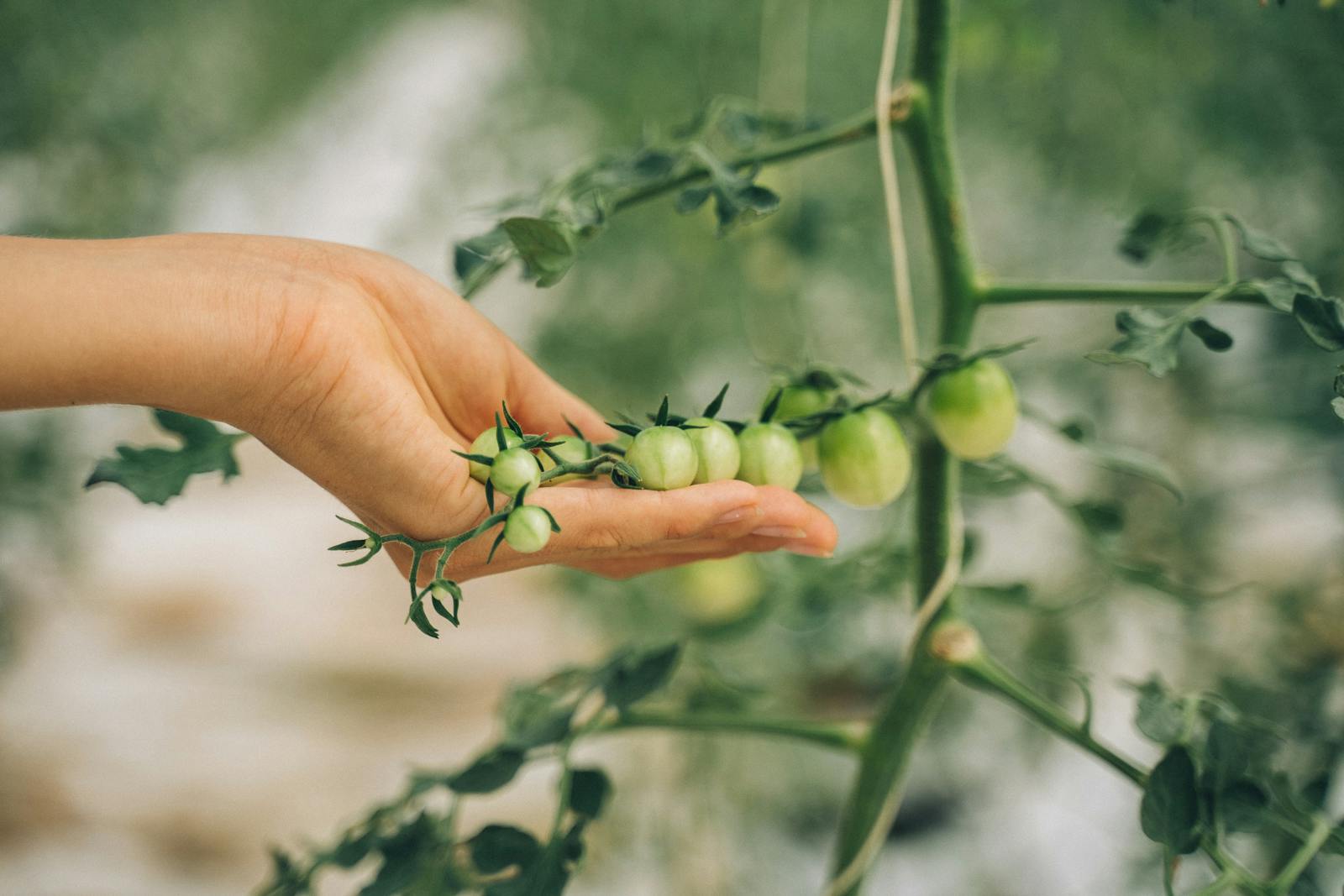
The attachment frame
In her work on marriage and attachment, Susan South, a clinical psychology professor at Purdue, describes how people with anxious or avoidant attachment patterns often struggle with the basic trust required to feel safe in human relationships. They want connection. They don't quite believe it will hold.
According to South's research, people with certain attachment patterns may struggle to trust romantic relationships, constantly fearing abandonment or betrayal even when they desire partnership. This anxiety pattern involves persistent worry about relationship stability.
A garden does not require this kind of trust. It does not have moods. It does not withdraw, retaliate, or reinterpret your behavior through its own anxious frame. It does not punish you for being needy or distant. It accepts water, light, and time, and converts them into growth on a schedule biology underwrites.
For someone whose nervous system was shaped early on to expect inconsistency from the people closest to them, this is not a small thing. It is, possibly, the only relationship in their life where the rules are stable.
This isn't a substitute for human intimacy. It's a supplement that asks nothing back. People who learned early that explaining themselves cost more than it returned tend to gravitate toward activities where the self doesn't have to be defended or performed.
The counterargument worth taking seriously
None of this means gardening is therapy, or that growing vegetables solves loneliness, or that anyone struggling with relationships should be quietly ushered toward a seed catalog instead of a counselor.
The strongest objection is straightforward: a relationship with a plant is not a relationship at all, and treating it as one might let someone off the hook from doing the harder work of building connection with people. Recent research on AI companion chatbots has surfaced a similar concern. A recent study from the University of British Columbia found that students who interacted with empathetic chatbots felt better in the moment but showed no reduction in loneliness over two weeks, while students who texted with random human strangers did.
According to research by lead author Ruo-ning Li, the study found that texting with human strangers reduced loneliness after two weeks, while interactions with a supportive chatbot showed no measurable impact.
The question this raises for gardeners is fair. If a chatbot can't substitute for human connection, why would a tomato plant?
The answer is probably that it can't, and most gardeners aren't asking it to. The plant isn't filling the relational role. It's filling the agency role, the part of life that needs to feel like effort produces something. Those are different needs, and they don't compete for the same nutrient.
Why the giving-away matters
Notice what happens with the surplus. The zucchini gets foisted on neighbors. The tomatoes get loaded into paper bags for coworkers. The kale gets pressed on anyone who'll smile politely.
This isn't disposal. It's the second move in a two-step game. The garden produces evidence that effort works. The giving-away converts that evidence into a small social offering, a low-stakes way to be useful to someone without having to ask for anything in return. For people who learned not to celebrate their wins out loud, a paper bag of vegetables on someone's porch is a way of saying I made something without having to actually say it.
Self-determination theory identifies three basic psychological needs that drive sustained motivation: autonomy, competence, and relatedness. Gardening hits all three with unusual cleanness. The gardener chooses what to plant (autonomy), watches their skill produce visible results (competence), and connects to something outside themselves through the plants and through the people who eat what they grow (relatedness). Wellbeing research has consistently shown that activities meeting all three needs produce more durable life satisfaction than activities meeting only one or two.
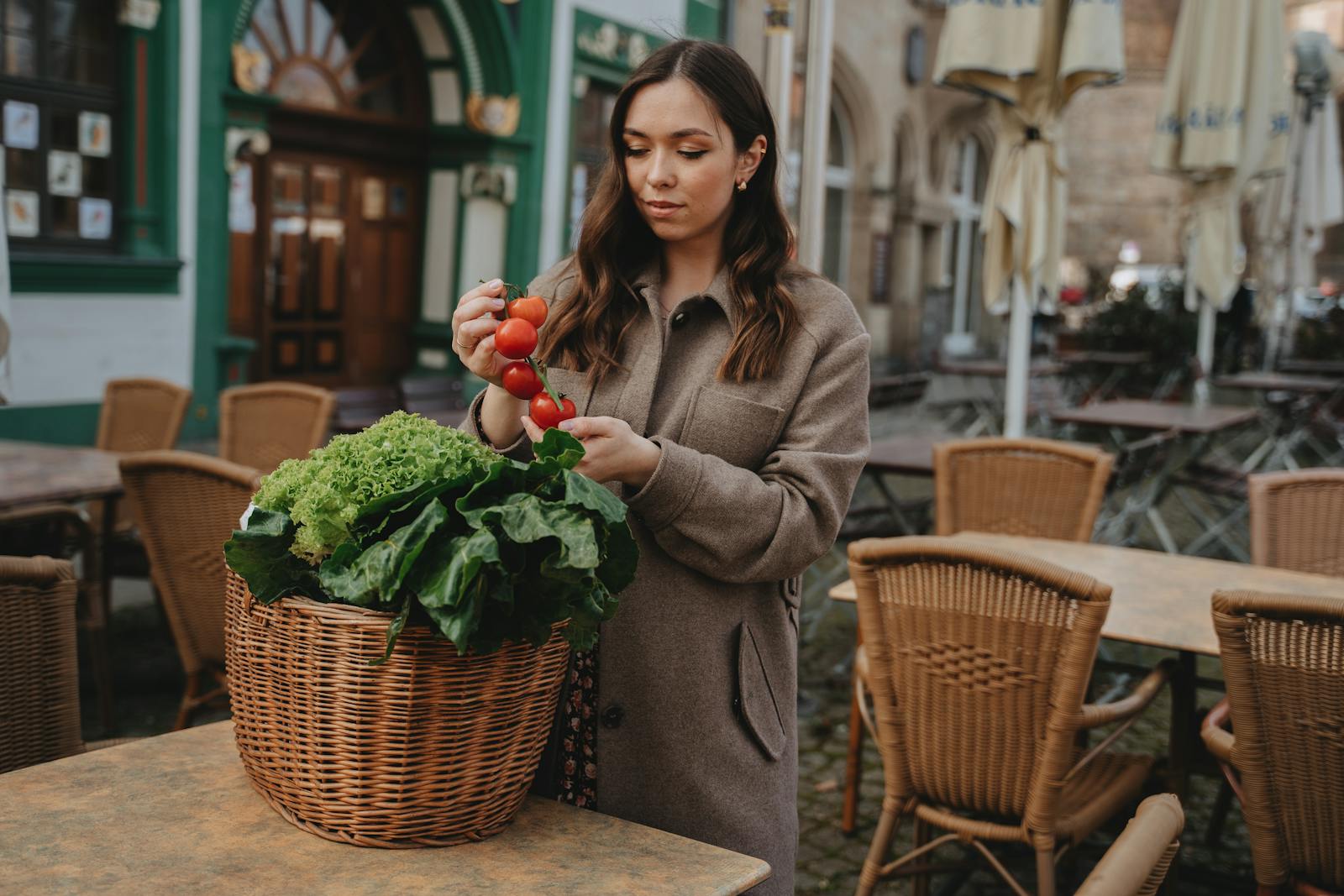
What this means for the rest of us
You don't have to garden to use what gardeners know. The transferable insight is that humans need at least one domain in their life where the cause-and-effect loop is clean, where showing up reliably produces a visible result that nobody else can take credit for or away from.
For some people that's running. For some it's bread. For some it's a language they're learning slowly. The activity is interchangeable. The structural need is not.
Most modern adult life is built on long, ambiguous feedback loops. Career outcomes that take years to clarify. Parenting outcomes you may never see. Relationship outcomes that depend on someone else's interior weather. None of these are bad. They're just not enough on their own. A nervous system that only ever gets ambiguous feedback starts to doubt its own existence.
The garden is a corrective. So is anything else with the same structure.
The vegetables, in the end, are a receipt. Proof of the transaction. Most gardeners are not actually growing food. They're growing evidence that they exist, that their attention has weight, that something in their life will respond when they call. The harvest just happens to be the form that evidence takes.
If they end up eating it, that's a bonus. If they end up giving it away, that's the point.