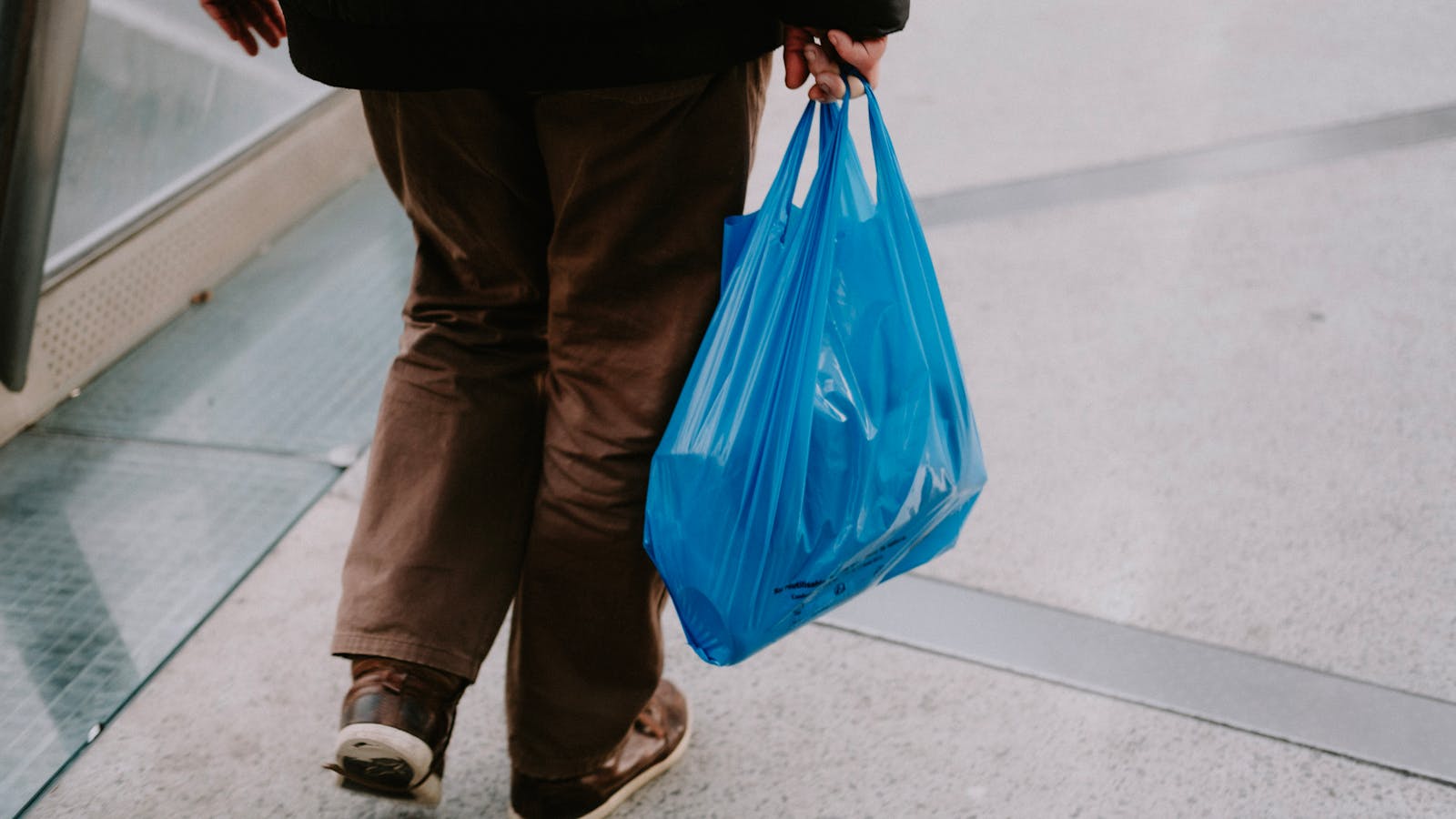
The detour past the second-best coffee shop, the slow loop around the park instead of the direct route, the inexplicable decision to carry heavy bags four blocks further than necessary: these aren't fitness choices. They're the quiet architecture of a person buying back fifteen minutes of unclaimed time.
Most wellness writing frames this kind of behavior as exercise. Step counts. Incidental movement. The supposed virtue of choosing the longer path. That framing misses what's actually happening. The body is moving, sure, but the real cargo being carried home isn't groceries — it's a small window of mental privacy that the rest of the day refuses to provide.
The conventional wisdom says adults who lengthen their errands are being inefficient or compensating for a sedentary job. The more honest reading is that they've found the one socially acceptable form of disappearing.
The only door with no one knocking
Consider the structure of an average adult day. Mornings belong to family or roommates. Commutes belong to podcasts, calls, or the algorithmic noise of a phone. Workdays belong to colleagues, clients, Slack, meetings. Evenings belong to partners, kids, dinner logistics, or the obligation of being pleasant company. Even sleep is shared: with a person, a pet, a notification.
The walk home from the store is one of the last unsupervised stretches. No one expects a status update. No one is timing it. If a person takes twenty-eight minutes instead of twelve, no one will ever know, and that's precisely the point.
This isn't laziness disguised as routine, and it isn't avoidance. It's a deliberate, often unconscious, claim on personal autonomy, the kind that has been studied under the broader heading of basic psychological needs. Autonomy, competence, and relatedness are understood as fundamental to well-being. The first one, autonomy, is the one most often starved in modern adult life.
What the long route actually does to the brain
Building on the concept of attention restoration, environmental psychologists have explored how directed attention—the kind required to answer emails, supervise children, or follow a conversation at work—is a finite resource that depletes over the course of a day.
What restores it isn't sleep alone. It's a particular quality of soft, undemanding attention, the kind triggered by trees, sky, distance, the rhythm of one's own footsteps. A walk through a residential neighborhood with a tote bag of produce qualifies. A walk through a fluorescent-lit aisle does not.
The mechanism matters because it explains why the long way home feels different from a treadmill. The treadmill is exercise. The detour is recovery.
Solitude is not loneliness, and adults know the difference
There's a tendency in current public health discourse to treat all alone time as suspect: a symptom of disconnection, a step toward isolation, a problem to be solved. But this framing has limits, and psychologists have been pushing back.
One psychologist recently flipped the script on the so-called loneliness epidemic, arguing that the relentless negative framing of alone time may itself be making people feel worse about a healthy human need. People who actively select moments of being alone, as opposed to having isolation imposed on them, often report better mood regulation, more creative thinking, and greater emotional clarity.
Classic experience-sampling research has established what later studies have continued to confirm: adolescents and adults alike use voluntary solitude as a kind of psychological maintenance. The mood often dips during the alone time itself, then rebounds noticeably afterward. The dip isn't sadness. It's processing.
Which is why the long way home, even on a difficult day, often produces the opposite of what observers might expect. The person looks tired walking out of the store. They look composed walking through the front door.
The transition no one schedules
Organizational psychologists have long described what happens when people switch between life roles: worker, parent, partner, friend, child, neighbor. Each role carries its own scripts, expectations, and emotional registers. Moving between them isn't free. It costs something cognitively, and adults who don't build in transition time tend to bring the residue of one role into the next.
Humans need buffer periods. The pre-pandemic commute, for all its inefficiencies, served this function for many people. Remote work erased it. The walk home from the store, in many cases, has quietly absorbed the role.
This is why the longer route is rarely about avoiding home. It's about arriving correctly. The person who walks through the door immediately after a stressful errand is still in errand mode. The person who walks through the door after a meandering twenty-minute loop has had time to file the day, draft mental notes, soften their face.
What the route is really protecting
For parents of young children, the calculus is starker. The grocery store may be the only place all week where no small person is asking for anything. The walk home extends that. For people in dense roommate situations or multigenerational households, the same applies. The street is the room with no door, but also the room with no one in it.
For adults managing chronic anxiety or sensory overload, the longer route serves as a regulation tool: a way to discharge nervous system activation before re-entering an environment that demands presence. It looks like errands. It functions like therapy.
None of this is selfish, though it's often framed that way internally. Personal autonomy isn't a luxury or a vanity. It's part of how solitude supports mental health across the lifespan, and adults who get enough of it tend to be more available, not less, to the people who depend on them.
The economics of stolen time
It's worth pausing on why this kind of time has to be stolen at all. Adult schedules in 2026 are not designed with autonomy in mind. The wellness industry sells solitude back as an expensive sound bath or a meditation app subscription. Employers monitor calendars. Family group chats demand response. Phones notify, vibrate, ping.
The market for "personal time" has been thoroughly commercialized. The walk home from the store is one of the few remaining versions that costs nothing and requires no booking. It exists in the gaps the economy hasn't yet figured out how to monetize, which is part of what makes it precious.
This is the same logic that explains why some adults eat the same breakfast every single morning for years: small, defended pockets of cognitive sovereignty in a day that otherwise demands constant negotiation.
Why the grocery walk specifically
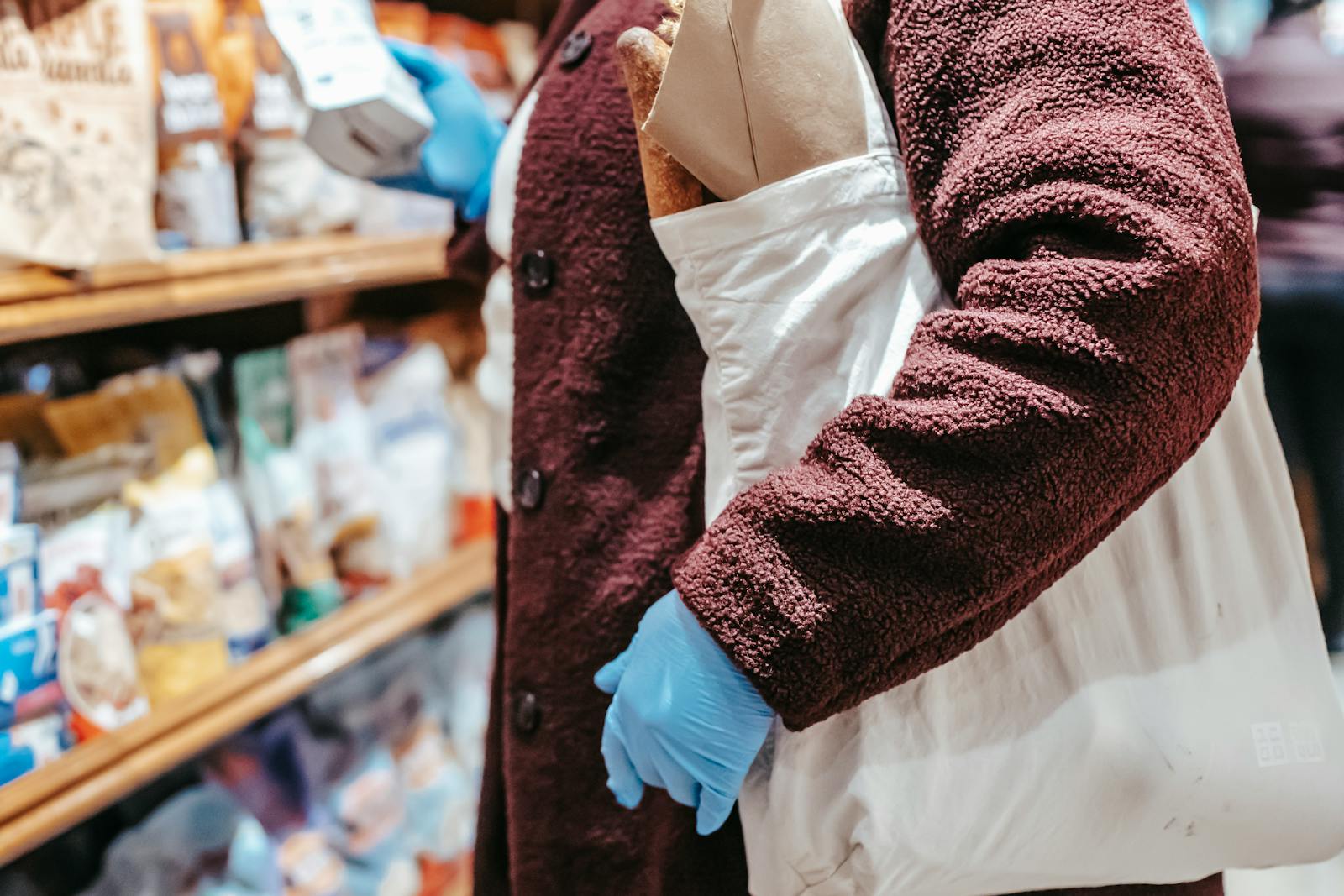
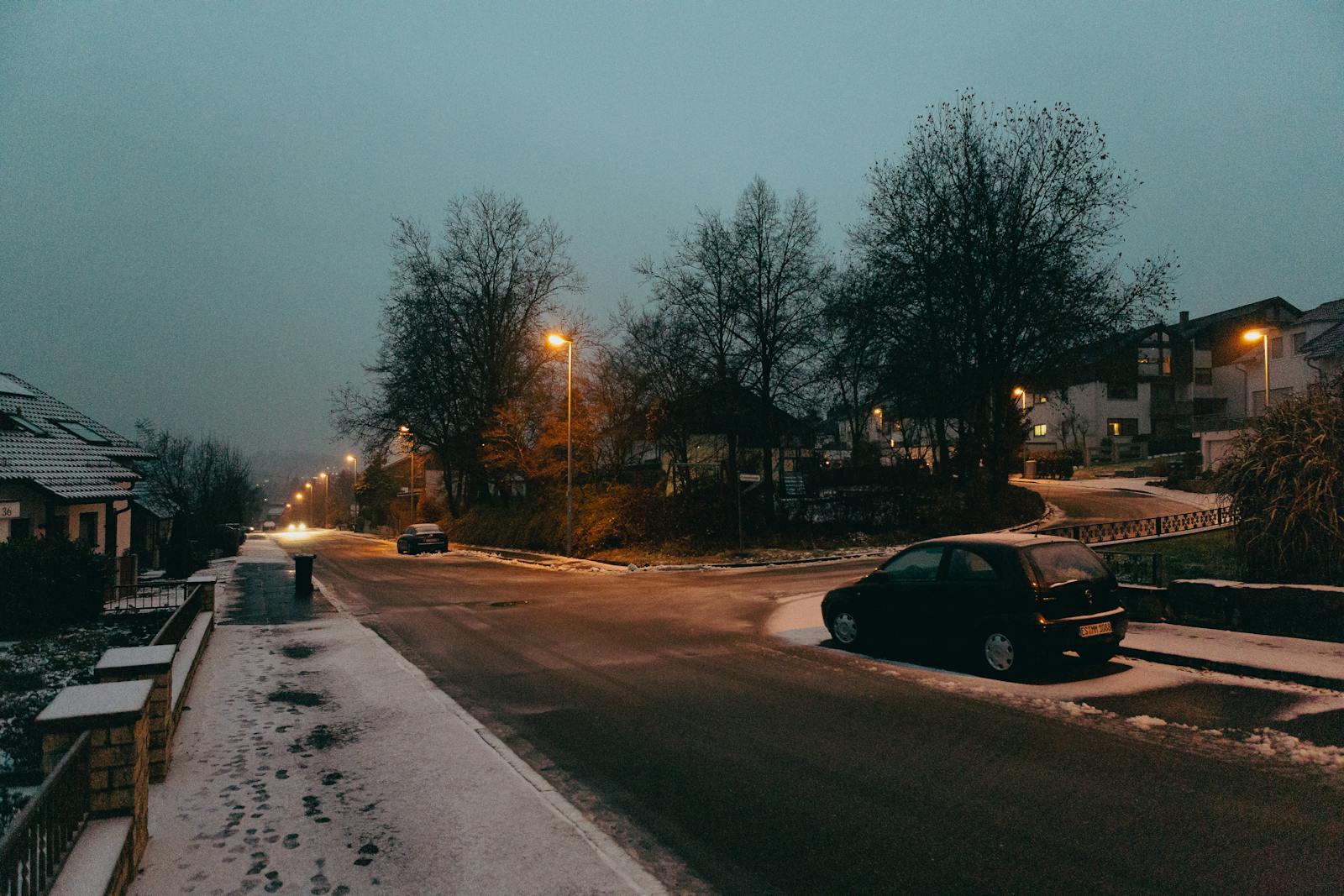
The errand serves as cover. That's the underrated part. A person walking around the neighborhood with no apparent purpose can feel self-conscious, especially in car-dependent areas where pedestrians read as suspicious or aimless. A person walking with grocery bags is unimpeachable. They have a reason. They have a destination. The errand grants permission for the wandering.
This is also why the phenomenon shows up most clearly with grocery runs rather than, say, a trip to the dry cleaner. Groceries are heavy enough to feel like real work, frequent enough to be a regular ritual, and unspecific enough in timing that no one is checking the clock.
The introvert framing misses the point
One easy reading of all this is that introverts need more alone time and the long walk home reflects that preference. But motivations for solitude don't break neatly along introvert-extrovert lines. What matters most is whether the alone time is self-chosen and intrinsically motivated, not the personality type of the person choosing it.
Extroverts can, and often do, protect solitary time fiercely. They just tend to use it differently, often as preparation for the next round of social engagement rather than recovery from the last one. Either way, the long way home serves the same function.
What gets lost when this time disappears
The poet Maggie Smith has written about how the disorientation of being newly single after a long marriage created conditions conducive to creative work. She's explored how periods of solitude and uncertainty can fuel poetry. The point generalizes. Solitude isn't the opposite of relationship. It's the soil in which a self stays distinguishable from the people around it.
When adults lose access to solitary stretches, the costs show up later, often diffusely. Increased irritability with partners. Difficulty making small decisions. A creeping sense that their preferences have blurred into someone else's. The walk home is a small bulwark against that drift.
The right way to think about it
If you're someone who takes the long way home, there's no need to medicalize the habit or feel guilty about the extra fifteen minutes. The behavior is doing exactly what it looks like it's doing. It's protecting a small piece of inner life from the relentless demands of the outer one.
If you're someone who lives with a person who takes the long way home, the kindest response is probably to not ask why they took so long. The asking, however gentle, is itself a small claim on time that was supposed to be unclaimed.
And if you're someone who doesn't take the long way home but has been feeling vaguely depleted in ways you can't quite name, try it once. Walk past your block. Take the loop. Let the bag get heavier than it needs to. Small acts of self-directed agency compound. The walk is one of them.
The grocery bag is just an alibi. What's really being carried is the shape of a private hour, refused to no one, owed to nothing, and quietly, deliberately stretched.