California is the first U.S. state to require folic acid in corn masa flour, closing a decades-old gap in fortification policy that left Hispanic communities outside the public health net built around wheat-based diets.
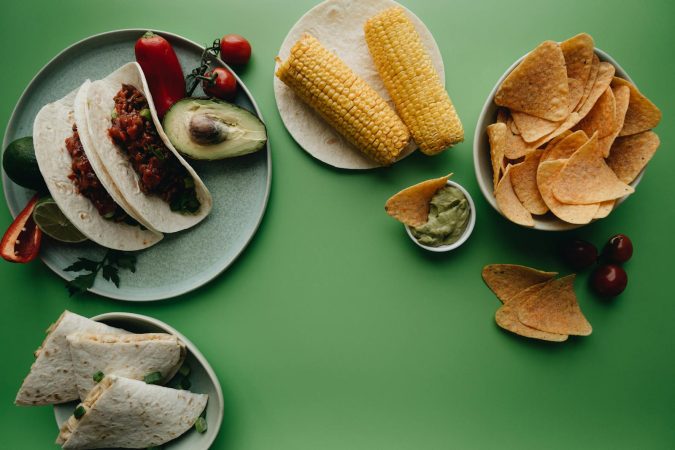
California has become the first U.S. state to require folic acid fortification in corn masa flour, the foundational ingredient for tortillas, tamales, and pupusas. The rule, which extends decades-old fortification policy to a staple absent from federal mandates, addresses a documented gap in birth-defect prevention among Hispanic communities.
Since 1998, the FDA has required folic acid in enriched cereal grain products like wheat flour, pasta, and rice. Corn masa flour was left out of that original mandate. The omission carried real consequences for families whose diets center on corn rather than wheat.
The conventional view of fortification policy treats it as settled science from the late 1990s. California's move suggests the original rules had a cultural blind spot worth correcting nearly three decades later.
What the rule actually does
The California regulation brings corn masa flour producers selling in the state into the same regulatory framework that has governed wheat flour for a generation. Manufacturers must add folic acid, the synthetic form of vitamin B9, to their products at specified levels.
Folic acid prevents neural tube defects like spina bifida and anencephaly when consumed before and during early pregnancy. The window matters. Most neural tube defects form in the first 28 days after conception, often before a person knows they are pregnant.
That timing is why public health officials moved toward fortification in the first place. Telling people to take a supplement only works if they know they need one. Putting the nutrient in everyday food reaches everyone, including unplanned pregnancies.
The data behind fortification
The case for adding folic acid to staple grains rests on decades of population-level evidence. More than 80 countries already add folic acid to flour. When Australia fortified bread, neural tube defects dropped by 14%.
The UK announced its own mandatory fortification of non-wholemeal wheat flour in 2021, with British health officials estimating the policy could prevent up to 200 birth defects per year. Neural tube defects affect roughly 1,000 pregnancies annually in the UK alone.
The U.S. version of this story has played out differently across communities. Wheat-based grain products have been fortified since 1998, and rates of neural tube defects fell sharply in the years that followed. Hispanic women in the U.S. have higher rates of neural tube defect-affected pregnancies than non-Hispanic white women — a disparity linked, in part, to corn-based diets falling outside the fortification net.
Why the federal gap persisted
The FDA approved voluntary fortification of corn masa flour in 2016, allowing manufacturers to add folic acid if they chose. Voluntary policies tend to produce uneven results. Some producers added folic acid. Many didn't. Consumers had no reliable way to know which products were fortified and which weren't.
California's rule closes that loophole within state lines. By making fortification mandatory for products sold in the state, regulators ensure that a person making tortillas at home or buying tamales from a local restaurant gets the same baseline nutrient protection as someone eating a wheat sandwich.
The shift matters for who profits from the status quo. Voluntary fortification puts the cost decision on individual producers, many of them small or mid-sized businesses serving specific communities. Mandatory rules level the playing field and shift the calculation from competitive disadvantage to compliance.
The cultural equity argument
Public health policy has a long history of treating wheat as the default grain. The original 1998 FDA rule reflected the eating patterns of the population that policymakers most readily pictured. Communities whose staples sat outside that picture absorbed the consequences quietly.
California's rule reframes fortification as a question of cultural equity. If the public health justification for adding folic acid to wheat flour is preventing birth defects across the population, the same logic should extend to whatever staple grain a family actually eats. Corn masa is not a niche product. It is the daily bread of millions of households in California and across the country.
The change also reflects a quieter trend in food policy. Regulators are starting to notice that one-size-fits-all rules built around mid-century American eating habits leave gaps as the country's food culture diversifies. Plant-based eaters have run into similar issues with B12 fortification policy. Anyone whose diet sits outside the regulatory default tends to discover it the hard way.
What happens next
California's rule will likely pressure federal regulators to revisit the national framework. State-level food rules often function as prototypes, and corn masa producers selling across state lines may find it simpler to fortify everything than to maintain separate California-compliant and non-compliant product runs. That kind of de facto national standard has driven federal policy changes before.
For families, the practical effect is invisible by design. Tortillas will taste the same. Tamales will taste the same. The folic acid does its work in the background, in the weeks before someone knows a pregnancy has begun.
The broader lesson is about how regulatory systems update themselves, or fail to. A policy designed in 1998 made sense based on the data and assumptions available then. The data has grown. The assumptions have aged. California decided not to wait for Washington to catch up.