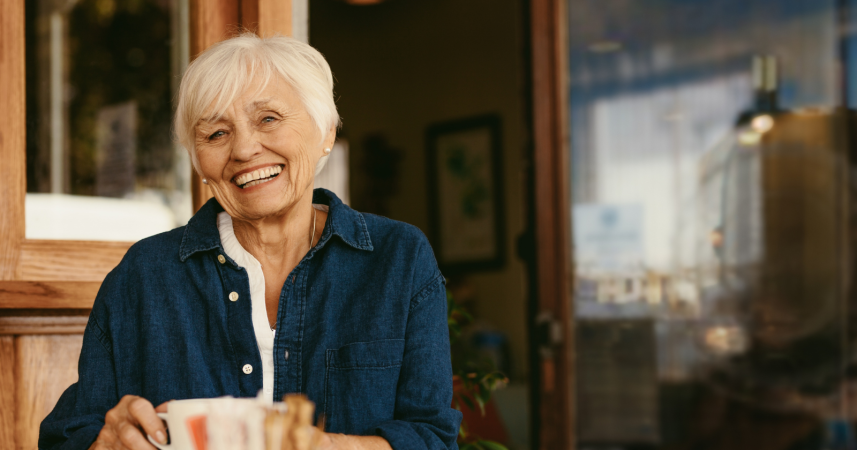
At 58, I discovered that giving up meat was nothing compared to watching my mother's face crumble when I told her I could no longer eat the pot roast she'd spent a lifetime perfecting—the same pot roast that had always meant "I love you" in the only language her generation knew.
The morning I turned 58, I stood in my kitchen holding a cup of coffee, watching the sunrise paint my garden gold, and made a decision that would reshape not just my diet but my relationship with the person who had taught me everything about love. Three weeks later, I would sit across from my mother at her dining room table, the same table where she'd served thousands of meals over six decades, and watch her face crumble as I explained I could no longer eat the pot roast she'd spent all afternoon preparing for my visit.
"But you love my pot roast," she said, her voice small and confused, as if I'd just told her the sky had turned purple.
When food is the only language you know
My mother learned to cook from her mother, who learned from hers, creating an unbroken chain of women stretching back through the Depression, through wars and scarcity, women who understood that a full belly meant survival and a home-cooked meal meant you were loved. It's easy, from this distance, to romanticize that inheritance, but I think we should be honest about what it actually was: unpaid labor passed down like a family heirloom, a language women were given because most of the other languages were closed to them. My grandmother didn't choose cooking as her love dialect the way someone today might choose pottery or running; she cooked because the kitchen was one of the few rooms in the house where her authority was unquestioned. My mother inherited that authority and, with it, the quiet obligation to spend her afternoons at the stove whether she felt like it or not. Growing up as the youngest of four sisters in our small Pennsylvania town, I absorbed this truth the way plants absorb sunlight. Sunday dinner wasn't just tradition; it was communion. My father would return from his mail route knowing everyone in town by name, and my mother would have spent the entire afternoon making pot roast with carrots that surrendered at the touch of a fork, mashed potatoes whipped with real butter, green beans simmered with bacon until they barely held their shape. The meals were extraordinary, and they were also, in their way, a cage she'd been handed with a smile.
I learned about love standing on a step stool in that kitchen, watching my mother's hands fold butter into flour for biscuits. The same hands that hemmed our school clothes and mended my father's work shirts spoke volumes through food. She remembered that my oldest sister hated mushrooms, that I loved extra gravy, that my father wanted his coffee black and scalding hot. Food was her language, and we were all fluent.
When I became a single mother at 28, suddenly alone with two toddlers after my first husband left, those lessons became my lifeline. On a teacher's salary that barely covered rent, I learned to stretch a chicken into three meals, to conjure soup from whatever lingered in the refrigerator on Sunday afternoons. There were two years when I had to swallow my pride and accept food stamps, but even then, especially then, I made sure my children knew they were loved through every meal I managed to create. A pot of spaghetti with jarred sauce became special when I added herbs from my windowsill garden. Pancakes for dinner on Thursday nights became our tradition because flour and eggs were cheap, and my children's joy was priceless.
The inheritance we pass through our hands
I taught both my children to cook, believing self-sufficiency was the greatest gift I could offer them. But beyond practical skills, I was passing down the language I'd inherited from my mother: that taking time to feed someone is an act of care, that remembering someone's favorite meal is a form of attention, that sharing food with people you love creates something sacred.
For 32 years teaching high school English, food remained my connector. Granola bars lived in my desk drawer for hungry students. Homemade cookies appeared on test days. When I discovered one of my brightest students was living in his car, I started "accidentally" making too much lunch to share during our tutoring sessions. Food was how I showed up in the world. After my second husband died, Parkinson's having taken him at 68, I barely cooked for six months. The kitchen felt like a mausoleum. Cooking for one felt like admitting to that empty chair across from me. My widow's support group, five women who became my closest circle, eventually pulled me back. We started a weekly supper club that was really about connection, and slowly I remembered why I loved being in the kitchen. I started baking bread every Sunday, a ritual that gave shape to my grief. Kneading dough became prayer.
The choice that changed everything
Have you ever made a decision that was absolutely right for you but felt like a betrayal to someone you love? At 58, after watching a documentary my yoga teacher mentioned, after hours of research, after realizing my body needed something different, I went vegan. My arthritis improved within weeks. The chronic insomnia that had plagued me for years finally loosened its grip. My energy returned in a way that made physical therapy after knee replacement bearable, that let me keep up with grandchildren, that allowed evening walks without my hip protesting.
But explaining this to my mother was like trying to explain the internet to someone who'd never seen electricity.
She kept forgetting at first. Every visit, she'd made pot roast or her famous meatloaf, and I'd have to explain again why I was only eating the sides. But even when she remembered, she couldn't understand.
"But you loved my cooking," she'd say, and those five words contained a lifetime of hurt.
How could I explain that I still loved her cooking, that I could close my eyes and taste every meal she'd ever made, that giving it up felt like severing a piece of myself? How could I tell her this choice wasn't rejecting her love but accepting my own changing needs? Her generation didn't have words for self-care that didn't look like self-denial. They survived the Depression, raised children through uncertain times, and showed love the best way they knew: through full plates and second helpings.
Bridging two worlds with imperfect translations
I tried bringing vegan dishes to share, spending hours recreating her recipes with plant-based ingredients. I made a lentil loaf that almost resembled her meatloaf, perfected mushroom gravy that took an entire afternoon. She'd taste them politely, the way you might admire a child's crayon drawing, but confusion clouded her eyes. This wasn't food to her. This was some strange performance, some incomprehensible rejection of everything she'd taught me.
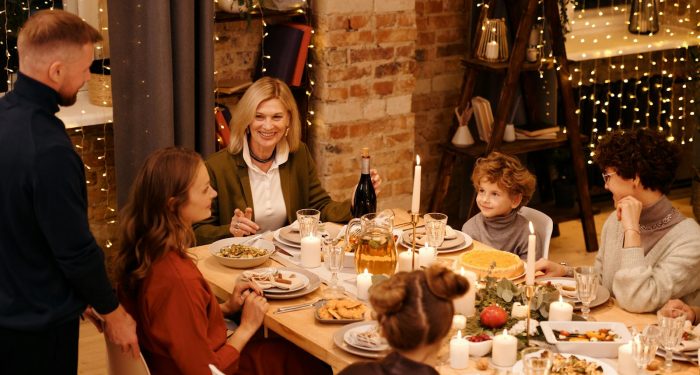
The last Thanksgiving before her memory really began failing, I brought an entire vegan feast to complement the traditional spread my sisters had prepared. Days of cooking had gone into my attempt to bridge this gap between us with cashew-based mashed potatoes and roasted vegetables seasoned with all her favorite herbs. She watched me fill my plate with only my dishes, and I saw her eyes fill with tears.
"I failed you," she said quietly, and those three words broke my heart in ways that teaching hundreds of teenagers about heartbreak in literature never prepared me for.
"No, Mom," I told her, taking her hands that were now spotted with age, that shook slightly, that had spent a lifetime feeding people. "You taught me that food is love. I'm just loving myself differently now."
She studied my face for a long moment, and I think maybe she understood, just for that moment, before the fog rolled back in.
The evolution of tradition
What does it mean to honor where we come from while choosing where we're going? Now, several years after my mother's passing, I'm 70, still vegan, still navigating this space between tradition and transformation. My four grandchildren have only known me as their plant-based grandma. They help me tend my garden where we grow tomatoes and herbs, standing on step stools in my kitchen while I teach them to cook the way my mother taught me: with attention, with patience, with love.
Recently, my oldest granddaughter told me she's thinking about going vegetarian. We talked for hours about protein and B12, about family gatherings and tradition, about the courage it takes to change. I told her about her great-grandmother, about Sunday dinners and Depression-era resilience, about how food can be both tradition and evolution.
I still have my mother's recipe box, filled with index cards stained by decades of use, written in her careful script. Sometimes I hold them just to trace her handwriting, to remember standing beside her in that kitchen that smelled like onions and comfort. I've started writing my own recipe cards now for coconut milk ice cream my youngest grandchild loves, for veggie burgers I bring to neighborhood potlucks, for Monday soup made with whatever needs using up.
Final thoughts
Food is still love. It's just a different dialect now, and I've made my peace with the fact that my mother never learned to read it.
That's the part I don't know what to do with, even at 70. I can tell myself the reassuring story — that she would have come around, that somewhere behind the confusion she saw me clearly, that the hands I held at that last Thanksgiving forgave me before the fog finished rolling in. But I wasn't there for some quiet reconciliation scene. I was there for a woman who kept setting a place for the daughter she used to feed, and a daughter who kept showing up with Tupperware the mother couldn't taste. There was no last conversation where she said she understood. There was a pot roast, and my refusal of it, and then years of smaller refusals, and then she was gone.
Sometimes, kneading bread on Sunday mornings, I feel her in the kitchen with me, and sometimes I don't feel her at all. I suspect both are true. I chose my body over her language, and I would choose it again, and that choice still costs something every time I sit down to eat.