The quiet revolution happening right now: millions are discovering they can know everything about everyone's lives without the exhausting performance of likes, comments, and carefully curated responses — and they're not missing anything except the anxiety.
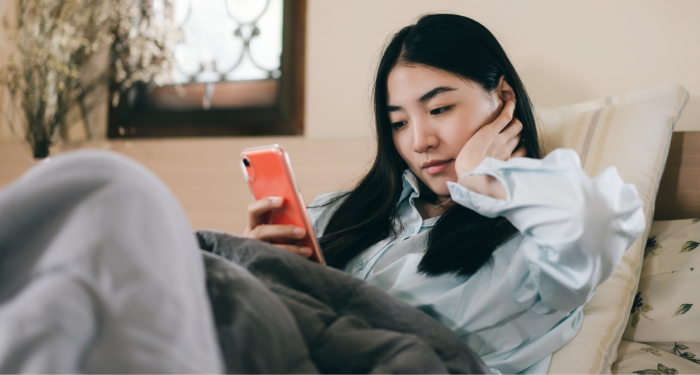
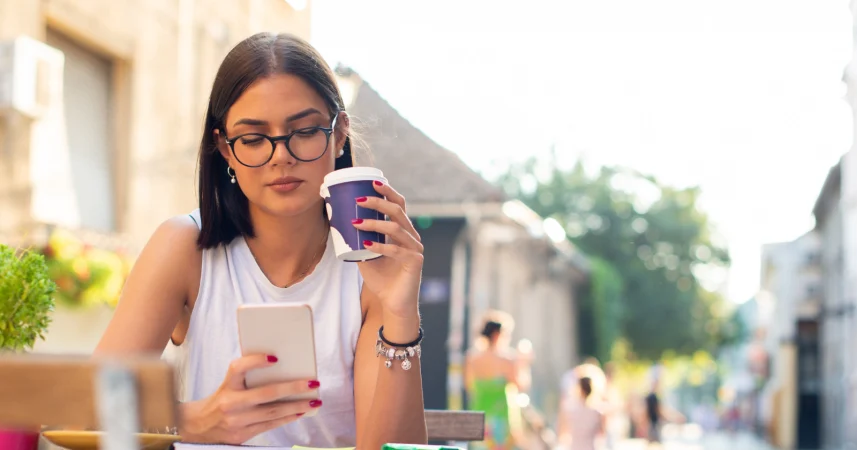
I was at a coffee shop last weekend when I noticed the woman across from me. She'd been on her phone for about twenty minutes — thumb moving steadily, eyes tracking something, occasionally pausing. Not once did she tap, type, or react. Just watching.
It struck me that we'd probably label her a "lurker." Passive. Disengaged. Maybe a little creepy, even. But the more I thought about her thumb gliding through whatever feed she was reading, the more I suspected we've got the whole thing backwards.
The people who scroll without commenting, who watch stories without reacting, who read posts without hitting that heart button — they might be the smartest ones in the room. They've figured out something most of us who post our breakfast photos haven't: you can get all the information value of social media without paying any of the social costs.
The hidden wisdom of digital observation
Think about it for a second. When was the last time you posted something and then checked your phone obsessively for the next hour? Or got into an argument in the comments that ruined your entire afternoon?
The silent scrollers don't have these problems.
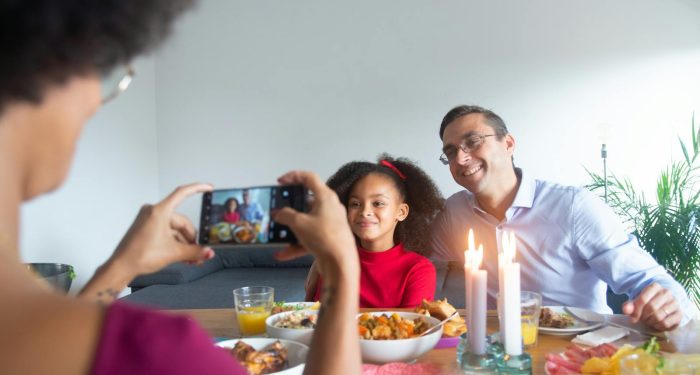
I noticed this pattern at a friend's wedding last month. Half the guests were posting stories in real-time, checking their likes between courses. But there was this one guy at our table who I know is on Instagram constantly (we follow each other). He didn't post a single thing. When I asked him about it later, he said something that stuck with me: "I wanted to actually be at the wedding, not perform being at the wedding."
That's the distinction we're talking about here.
What the research actually tells us
Here's where it gets interesting from a psychological perspective — or at least, where I think it gets interesting.
Research examining social media engagement on YouTube found that users engage in both active participation (commenting, uploading videos) and passive consumption (liking, watching videos) for completely different motivations. The study suggests that non-engaging users may be selectively choosing passive consumption to stay informed without participating. In other words, they're making a deliberate choice, not a lazy one. At least some of them are.
But doesn't passive scrolling make us miserable? Katherine Cullen, MFA, LCSW, puts it bluntly: "The more we passively scroll through social media, the more unhappy we become as we use it."
Except here's the twist: that research typically defines "passive" as mindless scrolling while comparing yourself to others. What we're talking about is something different. It's strategic observation. It's choosing to be informed without being involved — assuming you can actually tell the difference in the moment, which isn't always as easy as it sounds.
The real cost of participation
Let me paint you a picture of what participation actually costs.
First, there's the time investment. Crafting the perfect post, finding the right filter, writing a caption that's clever but not trying too hard. That's just the beginning.
Then comes the emotional labor. Responding to comments. Dealing with that one person who always misinterprets everything. Managing the subtle social dynamics of who liked what and when.
Andrea Piacquadio notes that "Passive social media use can provoke and intensify a negative emotional experience known as Fear Of Missing Out (FOMO)."
But you know what creates even more FOMO? Being actively engaged and constantly comparing your engagement metrics to everyone else's.
The shift nobody's talking about
Something interesting is happening right now in the social media landscape, and most people haven't connected the dots.
A report analyzing social media engagement patterns in 2025 found that while platforms like Instagram experienced a decline in public engagement metrics, private interactions such as saves, direct messages, and shares increased. This indicates a shift towards more passive consumption behaviors among users.
People are retreating from public performance. They're still there, still watching, still learning. They're just not playing the game anymore — or they're playing a quieter version of it, out of view.
While everyone else is shouting into the void, hoping for validation, these strategic observers are quietly gathering information, staying connected, and avoiding the drama.
The information diet approach
Think of social media like a buffet. Most people pile their plates high with everything, eat too fast, and leave feeling sick. The non-engagers? They're walking through with a small plate, taking only what they need, savoring the information without the indigestion.
Research indicates that many users primarily observe content on social media, often habitually or mindlessly, without explicit goals or visible interaction, highlighting a distinction between passive consumption and active participation.
But here's what I think the research misses: some of these "passive" users aren't mindless at all. They're incredibly intentional. They've just realized that knowing what your high school friend had for lunch doesn't require you to comment "Yum!" on the photo.
Why most people can't make this distinction
So why don't more people adopt this approach?
We're addicted to the feedback loop.
That little dopamine hit when someone likes your post? It's designed to keep you engaged. The platforms want you participating because that's how they keep everyone else participating. It's a social pyramid scheme, and the only way to win is not to play. But most of us never stop long enough to question whether we actually need to be playing. We assume that being on social media means being active on social media. We never consider that we could separate the utility — staying informed, maintaining loose connections — from the performance of posting, commenting, reacting.
The unexpected benefits of digital silence
Here's what happens when you stop engaging but keep observing.
First, you get your time back. No more crafting responses to comments. No more anxiety about whether your post is getting enough likes.
Second, you see social media for what it really is: a performance. When you're not performing yourself, you can see how exhausting everyone else's performance really is.
Third, you maintain control over your own narrative. Nobody can misinterpret your silence. Nobody can screenshot your comment and use it against you later. You become digitally bulletproof while still staying digitally informed.
Wrapping up
The next time you see those view counts on your stories and notice the same people watching but never responding, don't assume they're not engaged. They might be the most engaged of all. They're just engaged on their own terms.
They've recognized that in a world where everyone's talking, sometimes the smartest move is to listen. They understand that you can know what's happening without needing to announce that you know what's happening.
I keep thinking about the woman in the coffee shop. I don't actually know what she was doing on her phone. Maybe she was reading the news. Maybe she was watching an ex-boyfriend's vacation photos and quietly falling apart. I projected a whole theory onto a stranger's thumb, which is probably its own kind of performance.
Still, something about the stillness of it stayed with me. The separation of knowing from participating. Whether that's wisdom or avoidance or just a different flavor of the same habit — I'm honestly not sure yet.