A tested plant-based recipe from Oliver Park
There's a specific kind of Friday exhaustion where even picking up the phone to order feels like a chore. That's the slot this bowl fills in my house. Twenty minutes, one pan, and a handful of ingredients I already keep on hand, most of which live in my fridge because I'm the kind of person who ferments his own miso in mason jars on the kitchen counter. (Ten years in professional kitchens will do that to you. So will five years of plant-based cooking, where fermentation does the heavy lifting that butter and stock used to.)
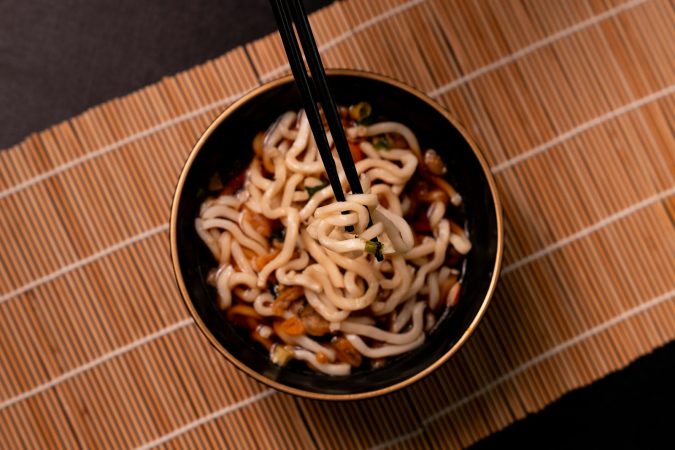
The magic here is the emulsion. When you melt good vegan butter into a little starchy pasta water and whisk in white miso, something alchemical happens: the sauce turns glossy, salty, deeply savory, and clings to every noodle the way a proper cacio e pepe coats spaghetti. Thick, chewy udon is the right vehicle because it can stand up to the richness. Thin noodles get bullied by this sauce.
Make it when you want dinner to feel like a reward but don't have the energy to earn it. The whole thing happens in the time it takes the noodles to boil, and the only real skill required is not walking away from the pan during the final minute when the emulsion comes together.
Yield: 2 generous servings
Prep time: 5 minutes
Cook time: 15 minutes
Difficulty: Easy
Ingredients
- 2 portions frozen or vacuum-packed udon noodles (about 14 oz / 400g total)
- 3 tablespoons vegan butter (Miyoko's or Violife both work — you want one that actually tastes like butter)
- 2 tablespoons white (shiro) miso
- 1 tablespoon soy sauce or tamari
- 1 teaspoon rice vinegar
- 1 teaspoon maple syrup or sugar
- 4 garlic cloves, finely grated or minced
- 1-inch piece fresh ginger, grated
- 1 tablespoon neutral oil (grapeseed or avocado)
- 4 oz (115g) shiitake or cremini mushrooms, sliced
- 3 scallions, whites and greens separated, thinly sliced
- 2 teaspoons toasted sesame oil
- ½ teaspoon chili crisp or a pinch of crushed red pepper (optional)
To finish:
- Toasted sesame seeds
- Reserved scallion greens
- More chili crisp
- A soft-cooked egg or a handful of baby spinach wilted in at the end (optional)
Instructions
- Bring a large pot of water to a boil. Don't salt it because the miso and soy will handle seasoning. While it heats, whisk the miso, soy sauce, rice vinegar, and maple syrup together in a small bowl until smooth. Set it next to the stove where you can grab it fast.
- Heat the neutral oil in a large skillet or wok over medium-high. Add the mushrooms in a single layer and leave them alone for 2 minutes to brown. Toss and cook another 2 minutes until they're golden and collapsed. Push them to one side of the pan.
- Lower the heat to medium. Add the scallion whites, garlic, and ginger to the empty side of the pan. Stir for 30 to 45 seconds, just until fragrant, not browned. Garlic goes bitter fast.
- Meanwhile, drop the udon into the boiling water. Frozen udon takes about 1 minute; vacuum-packed needs 2 to 3. You want them loose and separated. Before draining, scoop out ½ cup of the cooking water.
- Drop the vegan butter into the skillet with the mushrooms and aromatics. Once it melts, add ¼ cup of the pasta water and swirl the pan. Whisk in the miso mixture. The sauce should look glossy and slightly thickened.
- Add the drained udon directly to the pan. Toss aggressively with tongs for about 60 to 90 seconds. The noodles will drink up the sauce and the starch will tighten everything into a silky coat. If it looks dry, splash in more pasta water a tablespoon at a time. If it's loose, keep tossing over the heat.
- Off the heat, drizzle in the sesame oil and the chili crisp if using. Toss once more.
- Divide between two bowls. Top with scallion greens, sesame seeds, and more chili crisp. Eat immediately.
Notes & Tips
- The miso matters. White (shiro) miso is mellow and sweet. Red or brown miso will overpower the butter. If you only have red, use half the amount and add a splash more maple.
- Don't boil the miso. Adding it off high heat preserves its complexity. Once the sauce is in the pan, you're just warming it through, not cooking it down.
- Udon options. Frozen sanuki-style udon (the thick square-cut ones, usually in Asian markets) is the gold standard — chewier than anything else. Vacuum-packed shelf-stable udon is the backup. Dried udon works but won't have the same bounce.
- Bulk it up. A handful of baby spinach or shredded napa cabbage tossed in with the noodles wilts perfectly. Crispy tofu on top turns it into a bigger meal. This chili crisp tofu is my go-to.
- Storage. Eat it the night you make it. Leftover udon in sauce turns gummy in the fridge and never quite comes back. This is a cook-what-you'll-eat situation.
- If the sauce breaks (looks greasy instead of glossy), add a splash more pasta water and keep tossing. The starch will pull it back together.