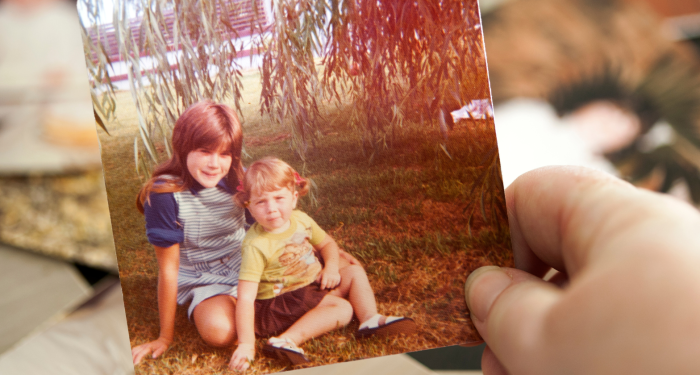
They're the ones who always remember to ask how you're really doing, who notice when something's off before you say a word — and if you knew their story, you'd understand why they've made it their mission to never let anyone feel as alone as they once did.
Have you ever noticed how the kindest people you know seem to carry an invisible weight?
There's something different about them. They remember your birthday when everyone else forgets. They notice when you're having a rough day before you even say a word. They give without expecting anything back, and somehow, they always seem to know exactly what you need to hear.
But if you look closer, you might discover something unexpected. Behind their warmth often lies a story of deep personal struggle. Not because pain automatically creates kindness, but because some people emerge from their darkest moments with a fierce determination never to become the source of someone else's suffering.
The psychology behind profound kindness
When I was experiencing burnout, my therapist asked me a question that stopped me cold: "Why do you work so hard to make sure everyone else is okay?" The answer, which came after several sessions of digging, revealed layers I hadn't expected to uncover.
Psychology Today defines it simply: "Kindness is when an individual helps another person at their own expense." But what drives someone to consistently choose others' wellbeing over their own comfort?
The answer often traces back to personal experience with pain. Those who have felt invisible understand the power of being seen. Those who have been dismissed know the value of being heard. Those who have walked through darkness alone understand the importance of being someone else's light.
This isn't about glorifying suffering or suggesting that pain is necessary for compassion. Rather, it's about recognizing that some people transform their wounds into wisdom, their scars into sensitivity to others' struggles.
When suffering becomes a teacher
Think about someone in your life who consistently shows up for others. Maybe it's the colleague who always checks in after difficult meetings, or the friend who seems to intuitively know when to send an encouraging text. Have you ever wondered what shaped their extraordinary capacity for care?
Research supports what many of us observe intuitively. A study on childhood trauma found that adults who experienced childhood trauma exhibited higher levels of empathy compared to those without such experiences, suggesting that personal suffering may enhance the capacity for empathy in others.
But here's where it gets interesting. Not everyone who suffers becomes kind. Some become bitter, closed off, or perpetuate the cycle of hurt. So what makes the difference?
The key lies in how people process and integrate their experiences. Those who become extraordinarily kind have often done the hard work of healing. They've sat with their pain, understood it, and made a conscious choice about who they want to be in response to it.
The strength it takes to choose kindness
There's a misconception that kindness is weakness, that caring deeply makes you vulnerable or naive. But anyone who has truly suffered and chosen kindness anyway knows the incredible strength it requires.
Psychology Today puts it plainly: "Kindness is a sign of strength."
It takes courage to keep your heart open when it's been broken. It takes determination to trust when you've been betrayed. It takes profound strength to offer gentleness to a world that hasn't always been gentle with you.
I learned this firsthand during a particularly difficult therapy session where I cried for the first time in years. That moment taught me about the cost of emotional suppression and the strength required to remain soft in a hard world. The people who maintain their kindness despite their pain aren't weak. They're warriors who have chosen love as their weapon.
Breaking the cycle of hurt
What drives someone to break generational patterns of pain? Why do some people who grew up in harsh environments become the gentlest parents? Why do those who were bullied become fierce advocates against cruelty?
The answer often lies in a moment of clarity, a point where someone looks at their pain and says, "This stops with me." They recognize that perpetuating hurt only multiplies suffering in the world. Instead, they choose to be the person they needed during their darkest moments.
This decision isn't made once. It's made daily, sometimes hourly. When triggered, when tired, when it would be easier to lash out or shut down, these individuals consciously choose a different path. They understand that every interaction is an opportunity to either add to the world's pain or help heal it.
The compassion that comes from understanding
Have you ever noticed how people who have battled addiction often make the most compassionate counselors? Or how those who have struggled with mental health become the friends who truly understand without judgment?
Victoria Maxwell, a psychologist, explains: "When we can accept our struggles with non-judgment and kindness, we find ourselves doing the same for those around us."
This isn't theoretical understanding. It's embodied knowing. When you've walked through your own valley of shadows, you recognize the signs in others. You know what it's like to put on a brave face while falling apart inside. You understand the exhaustion of pretending everything is fine.
This deep understanding translates into practical kindness. These individuals don't offer platitudes or quick fixes. They offer presence, patience, and the profound gift of being truly seen and accepted, struggles and all.
The ripple effect of transformed pain
What happens when someone transforms their pain into purpose? The impact extends far beyond individual interactions.
Consider the colleague who, having experienced workplace bullying, now mentors young professionals and creates psychologically safe environments. Or the parent who, having grown up feeling unseen, makes sure every child in their orbit feels valued and heard.
These acts of kindness create ripples. The person who receives unexpected compassion during a difficult time might extend that same grace to someone else. The child who grows up feeling genuinely seen and valued learns to see and value others. The cycle of hurt gets interrupted, replaced by a cycle of healing.
Each act of kindness born from healed pain is a small rebellion against suffering, a declaration that hurt doesn't have to have the last word.
Conclusion
The kindest people often do have the saddest backstories, but not for the reasons we might assume. Their kindness isn't a direct product of their suffering. Instead, it's a testament to their courage in facing their pain, their strength in choosing healing, and their determination to be part of the solution rather than perpetuating the problem.
If you recognize yourself in these words, know that your kindness matters more than you might realize. Every time you choose gentleness despite your pain, you're helping to heal not just others, but the collective wounds we all carry.
And if you're currently in the midst of your own difficult story, remember that your pain doesn't define your future. How you choose to transform it does. The world needs more people who understand suffering intimately enough to help alleviate it in others.
Your story, with all its chapters of struggle, might just become the reason someone else believes in kindness again. That's not just psychology. That's the profound power of the human spirit choosing love over fear, healing over hurt, and connection over isolation.