Lower-middle-class people have learned to build fun from scratch, to turn limitations into opportunities, and to find value in experiences that don't come with a price tag.
I was talking to a coworker a few months ago about weekend plans.
She mentioned she was throwing a potluck dinner party. Everyone was bringing a dish, someone was bringing a speaker for music, and they were planning to play board games all night.
"That sounds nice," I said, genuinely meaning it.
"Yeah, well, we're all broke," she laughed. "But we make it work."
What struck me wasn't the apologetic tone. It was the fact that she felt the need to justify it at all.
Because here's the truth: lower-middle-class people have figured out how to have fun, build community, and create meaningful experiences without spending a fortune. And instead of recognizing that as resourceful, we've been conditioned to see it as "making do."
But resourcefulness isn't a consolation prize. It's a skill. It's creativity under constraint. And honestly, it often leads to better, more memorable experiences than anything money can buy.
Here are seven things lower-middle-class people do for fun that are actually deeply resourceful.
1) Potlucks instead of restaurant dinners
Potlucks get dismissed as cheap or unsophisticated. But they're actually brilliant.
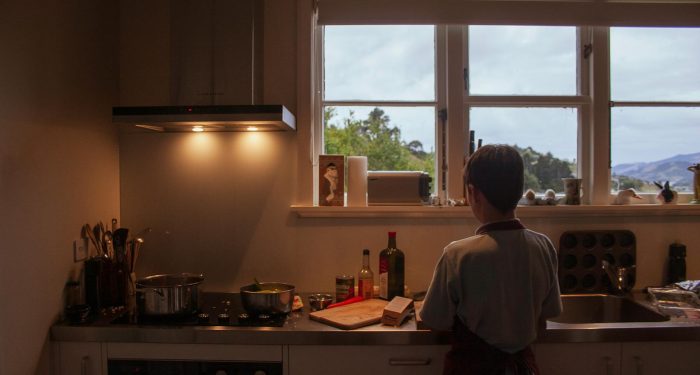
Everyone brings one dish. No one bears the full cost. No one's stressed about hosting alone. And you end up with way more variety than you'd get at any restaurant.
But beyond the economics, potlucks build something that expensive dinners don't: collaboration and investment.
When you cook something to share, you're putting effort and care into the gathering. You're not just showing up as a consumer. You're contributing.
I've been to potlucks where people brought family recipes, where conversations about food turned into conversations about culture and history. I've watched people bond over shared cooking disasters and surprise successes.
That doesn't happen when you just order off a menu and split the check.
Lower-middle-class people figured out that the best meals aren't the ones you buy. They're the ones you build together.
2) Free outdoor activities
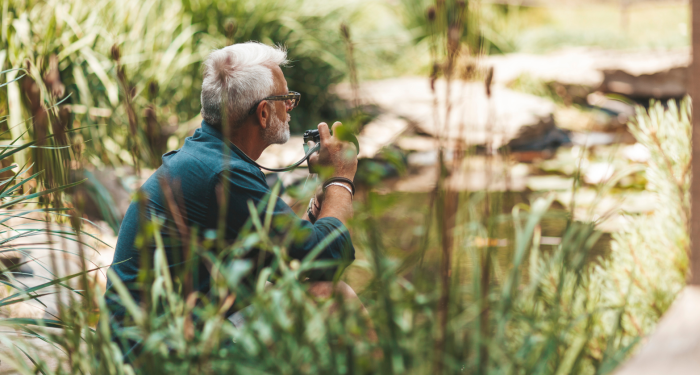
Hiking. Biking. Picnics in the park. Beach days. Walks around the neighborhood.
These aren't just budget-friendly options. They're some of the most grounding, connective things you can do.
But we've been sold this idea that fun costs money. That real entertainment requires admission fees, reservations, and Instagram-worthy backdrops.
Lower-middle-class people never bought into that. They've always known that a day outside, moving your body, being in nature, costs nothing and gives you everything.
I have friends who organize weekend hikes the way other people organize bar crawls. They pack snacks, pick a trail, and spend the day outside together. No entry fee. No overpriced drinks. Just time, conversation, and fresh air.
And every time I go, I come back feeling more recharged than I do from any expensive outing.
Because what actually refreshes you isn't the price tag. It's the presence. The movement. The being together without distraction.
3) Game nights at home
Board games. Card games. Charades. Trivial Pursuit pulled out from someone's childhood closet.
Game nights are having a resurgence, but lower-middle-class people never stopped doing them.
They've always known that you don't need to drop a hundred dollars at a bar or entertainment venue to have a good time. You just need people, something to do together, and a willingness to be silly.
There's something about sitting around a table, competing and laughing, that creates intimacy in a way that passive entertainment doesn't.
You're interacting. You're paying attention to each other. You're creating shared memories based on moments that only exist between you.
I've been to game nights that went until two in the morning, where people laughed so hard they cried. And the only cost was the bag of chips someone picked up on the way over.
Lower-middle-class people understand that fun isn't something you purchase. It's something you generate.
4) Community events and free festivals
Street fairs. Farmers markets. Free concerts in the park. Library events. Community center classes.
These things are everywhere if you're paying attention. But a lot of people don't go because they assume free means low-quality or not worth the time.
Lower-middle-class people know better. They've learned to scan local calendars, to show up to things that don't require a ticket, to take advantage of what their community offers.
And often, these events are way more interesting than anything you'd pay for. Live music from local bands. Art from people in your neighborhood. Food from cultures you wouldn't otherwise encounter.
There's also something about free community events that levels the playing field. Everyone's there because they want to be, not because they can afford to be. It creates a different energy.
I went to a free outdoor movie screening last summer. People brought blankets, snacks, and kids. Strangers shared popcorn. Someone's dog became the unofficial mascot of the evening.
It was one of the best nights I'd had in months. And it didn't cost a cent.
5) DIY entertainment and creative projects
Crafting. Painting. Writing. Playing music. Baking. Gardening.
Lower-middle-class people have always leaned into making things as a form of entertainment. Not because they're trying to monetize a side hustle, but because creating is inherently satisfying.
When you can't afford to constantly consume entertainment, you learn to generate your own.
You paint. You cook. You build something with your hands. And in doing so, you develop skills, express yourself, and end up with something tangible at the end.
I know people who throw "craft nights" where everyone brings supplies and works on their own project while hanging out. Others host baking swaps where people try new recipes and trade what they made.
It's fun, it's productive, and it's free or close to it.
But more than that, it's empowering. You're not waiting for someone else to entertain you. You're actively participating in your own enjoyment.
That's a mindset shift that wealthier people often miss.
6) Volunteering as social activity
This one might sound strange, but hear me out.
A lot of lower-middle-class people volunteer not just out of altruism, but because it's a way to be social, feel purposeful, and connect with their community without spending money.
Volunteering at food banks, animal shelters, community gardens, or local events gives you something to do, introduces you to people, and creates a sense of belonging.
And unlike paid entertainment, volunteering makes you feel good in a way that lasts. You're not just filling time. You're contributing.
I started volunteering at a community kitchen a couple years ago, and I've met some of the most interesting people there. We cook together, we talk, we laugh. And at the end of the day, we've fed people who needed it.
It's social, it's meaningful, and it doesn't cost anything.
Lower-middle-class people have figured out that purpose and connection are better sources of fulfillment than passive consumption. And volunteering gives you both.
7) Hosting at home instead of going out
Movie nights. Dinner parties. Coffee hangouts. Backyard barbecues.
Lower-middle-class people have always hosted at home because it's cheaper than going out. But what they've really figured out is that hosting creates intimacy that public spaces can't.
When you invite people into your home, you're sharing your space, your energy, your effort. It's personal in a way that meeting at a bar or restaurant isn't.
There's no noise competition. No overpriced drinks. No pressure to leave when your table's needed.
Just your people, your space, and the time to actually be together.
I've had some of my best conversations sitting on someone's couch with cheap wine and snacks from the corner store. No pretense. No performance. Just presence.
Hosting at home also removes a lot of the financial anxiety that comes with going out. No one's stressed about the bill. No one's feeling guilty about ordering the cheapest thing on the menu.
You're just together. And that's the whole point.
What this really comes down to
Lower-middle-class people have been doing these things out of necessity. But what they've accidentally created is a model for connection, creativity, and joy that doesn't depend on consumption.
They've learned to build fun from scratch. To turn limitations into opportunities. To find value in experiences that don't come with a price tag.
And instead of celebrating that, we've been conditioned to pity it. To see it as "making do" instead of making something meaningful.
But the truth is, a lot of wealthier people are lonely, bored, and disconnected despite having all the resources in the world. They've outsourced their fun to expensive experiences that look good on social media but don't actually fill them up.
Meanwhile, lower-middle-class people are hosting potlucks, hiking on weekends, and playing board games until midnight. They're creating memories, building community, and finding joy in ways that actually last.
That's not settling. That's wisdom.
And maybe the rest of us could learn something from it.
Because at the end of the day, the best things in life really are free. Or close to it.
You just have to be resourceful enough to find them.