Department
Living

Taste is mostly smell — pinch your nose closed and a slice of raw apple and a slice of raw onion become nearly indistinguishable, which is why food goes flat the week you have a cold.
When you lose your sense of taste during a cold, your taste buds aren't the problem—your nose is. Smell does most of…
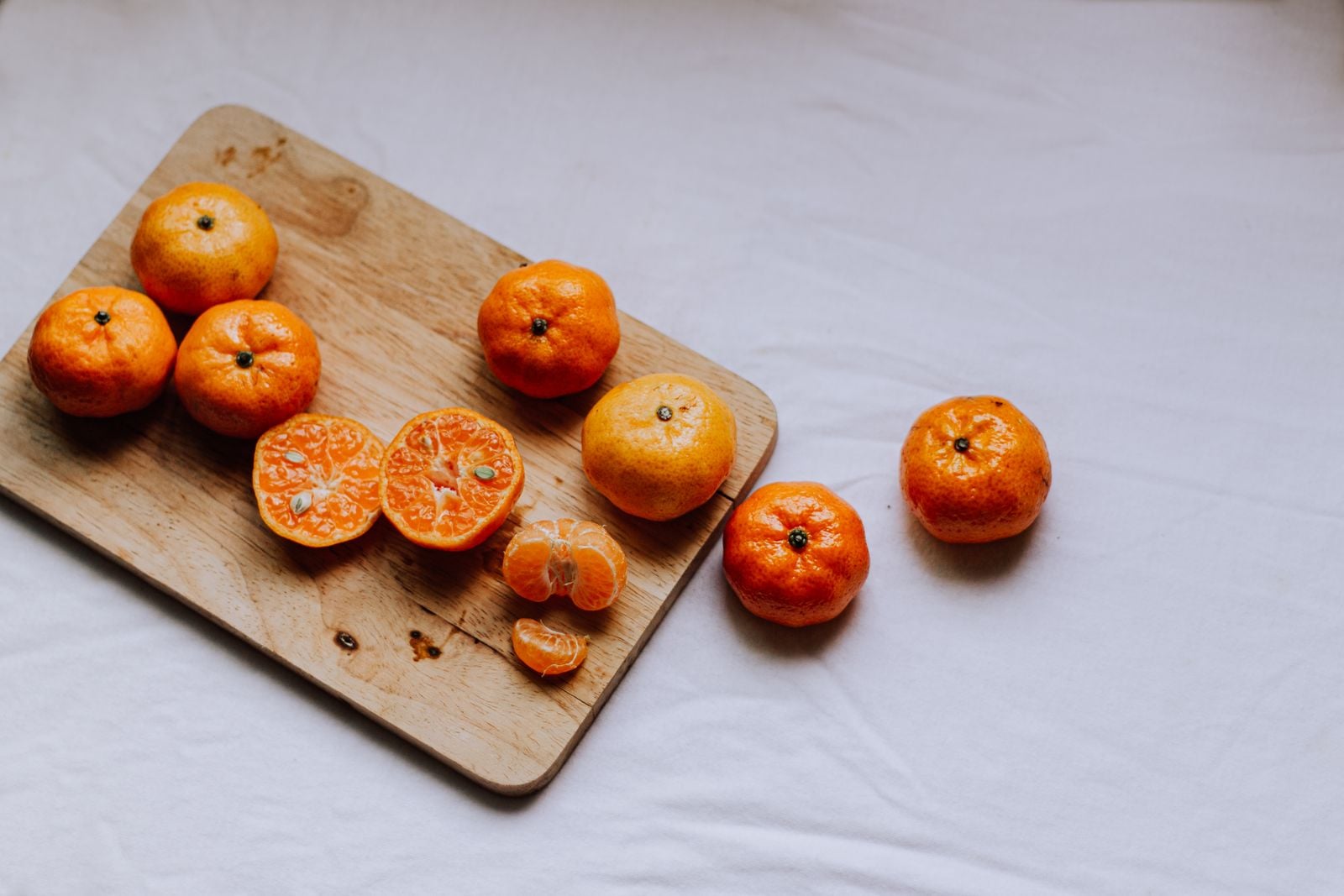
Researchers at Cornell estimated that study participants made about 227 food decisions a day and initially reported roughly 15, but newer work says the number is misleading even as kitchen layout can still shape eating
Most of your daily food choices happen without you noticing. What you eat is shaped far more by your kitchen's layout than…
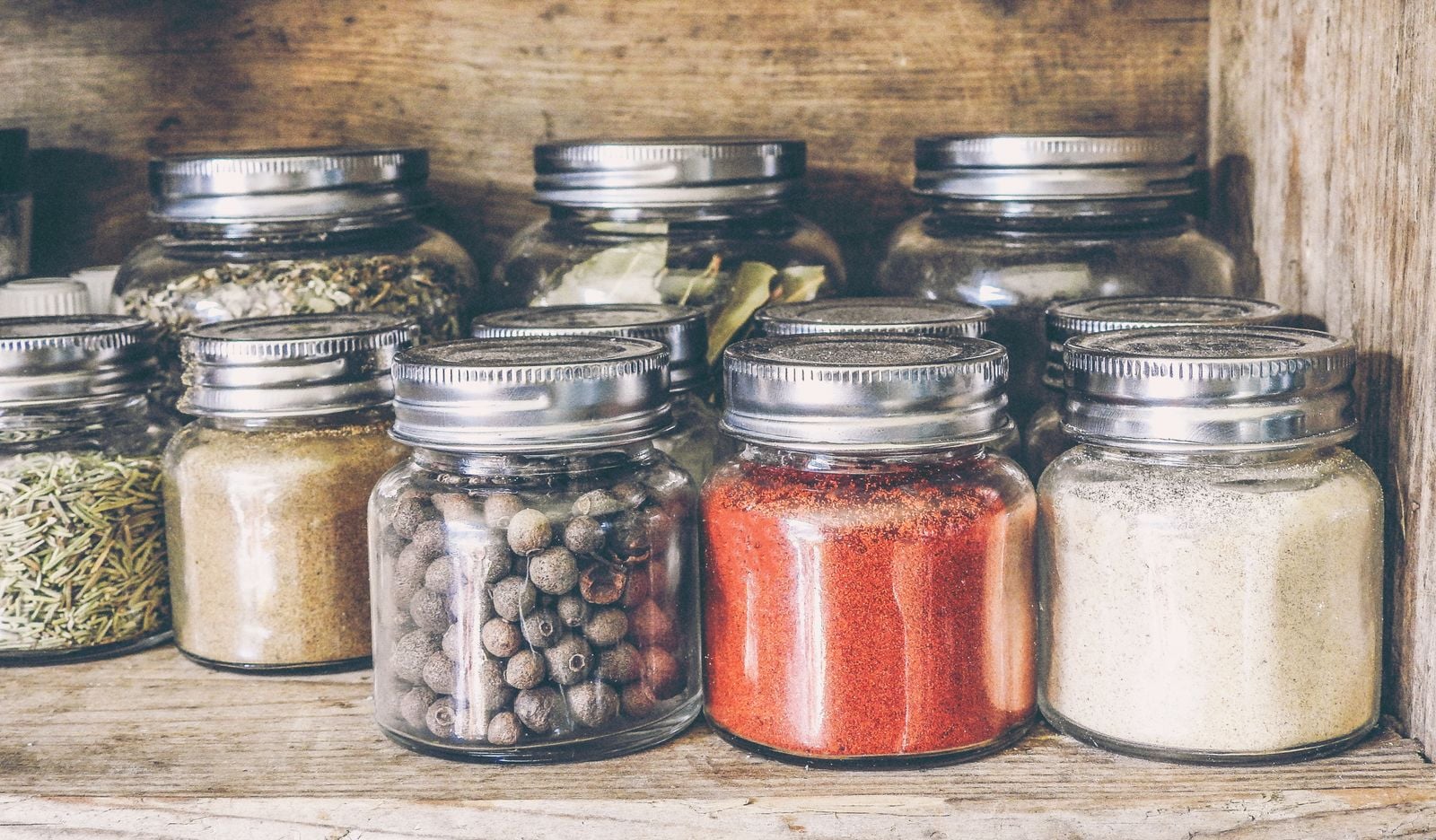
Nutmeg contains myristicin, a compound that in doses of two whole nuts or more acts as a genuine deliriant, which is why medieval physicians prescribed it in pinches and why sailors on long voyages sometimes lost their minds to the spice rack
A common kitchen spice can become a dangerous hallucinogen in large doses, producing 48-hour trips and severe side effects—a fact that shaped…
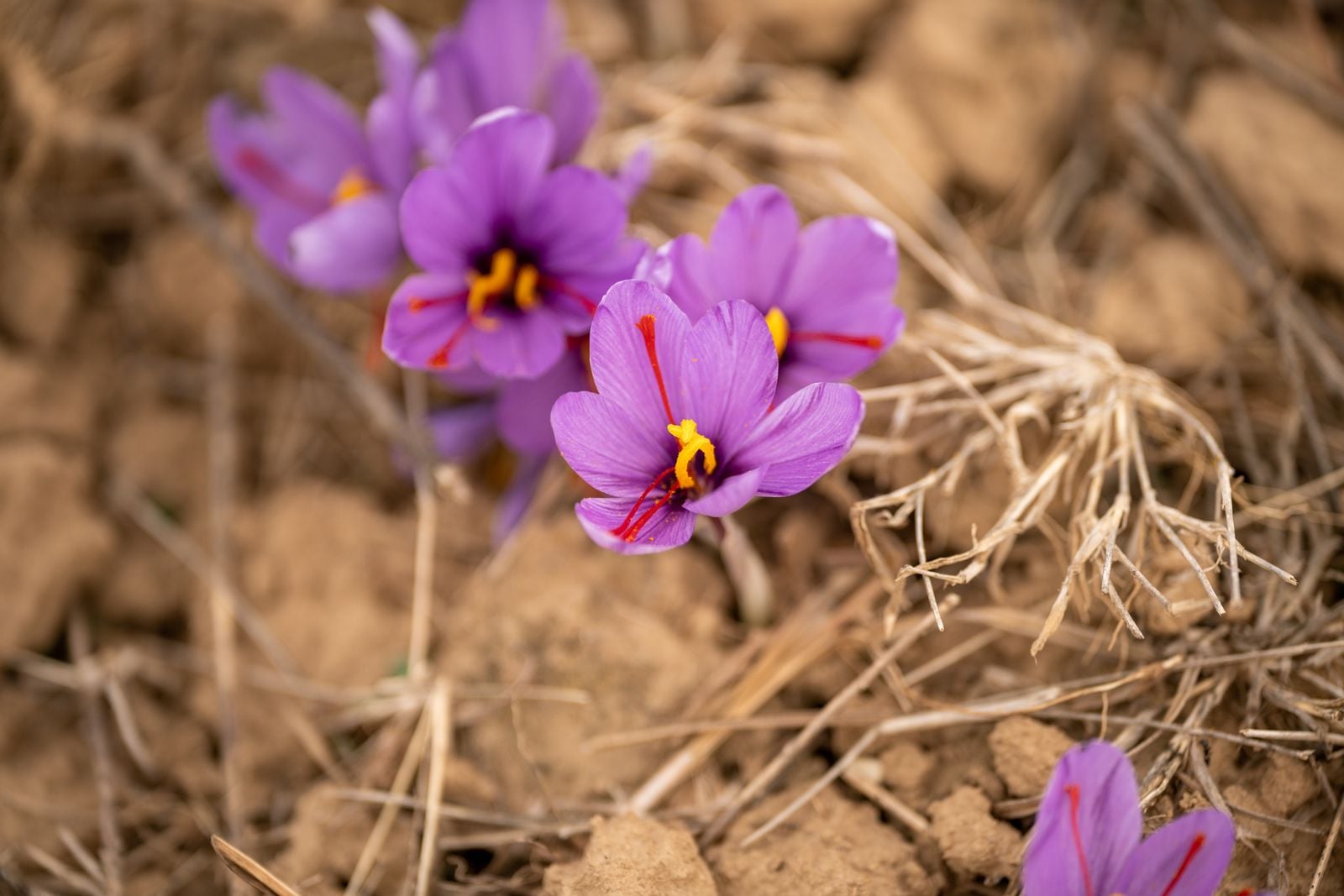
Saffron takes about 75,000 hand-picked crocus flowers to make a single pound, because each purple bloom offers only three crimson threads and each one has to be pulled out with fingertips before sunrise.
In the Navelli highlands of Abruzzo, saffron harvesters race against sunrise to pick thousands of delicate crocus blooms by hand, knowing that…

10 small evening rituals people quietly adopt in their fifties, from drinking water before wine to keeping the kitchen lights low after eight to refusing to answer work emails after the dishes are done
People in their fifties aren't cutting back on evenings—they're protecting them. What looks like restriction is actually hard-won knowledge about what actually…
 Live Lighter
There's a particular grief that belongs to people who finally have the free evenings they spent twenty years wishing for, and discover that the version of themselves who would have known what to do with them quietly left somewhere around their forty-second birthday
When life finally gives you the free time you craved for decades, there's a particular emptiness in discovering you've changed too much…
 Live Lighter
The quiet reason adults who grew up poor still buy the smaller portion, the cheaper cut, and the less impressive bottle isn't thrift, it's that abundance still feels like a costume they're worried someone will ask them to take off
Poverty leaves a mark that paycheck growth can't erase. Adults raised without money often restrict their own abundance, unconsciously protecting themselves from…
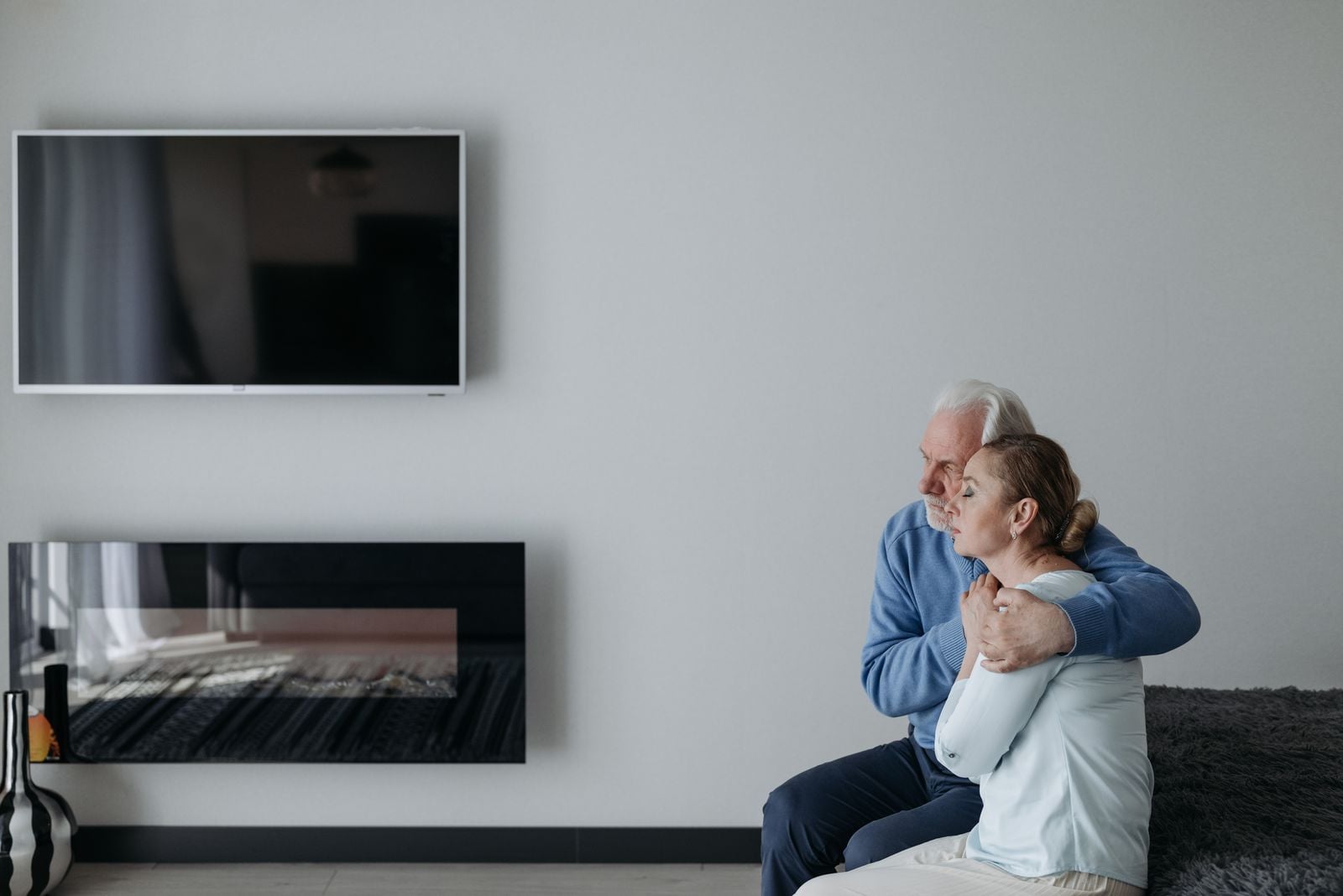
People who grew up in the 1960s with one phone in the hallway, one television in the living room, and one car for the whole family often develop a relationship to constant connectivity that feels less like progress and more like a low-grade exhaustion they can't quite name
Growing up with shared resources and limited connectivity shaped how some generations experience today's always-on world—not as liberation but as a persistent,…
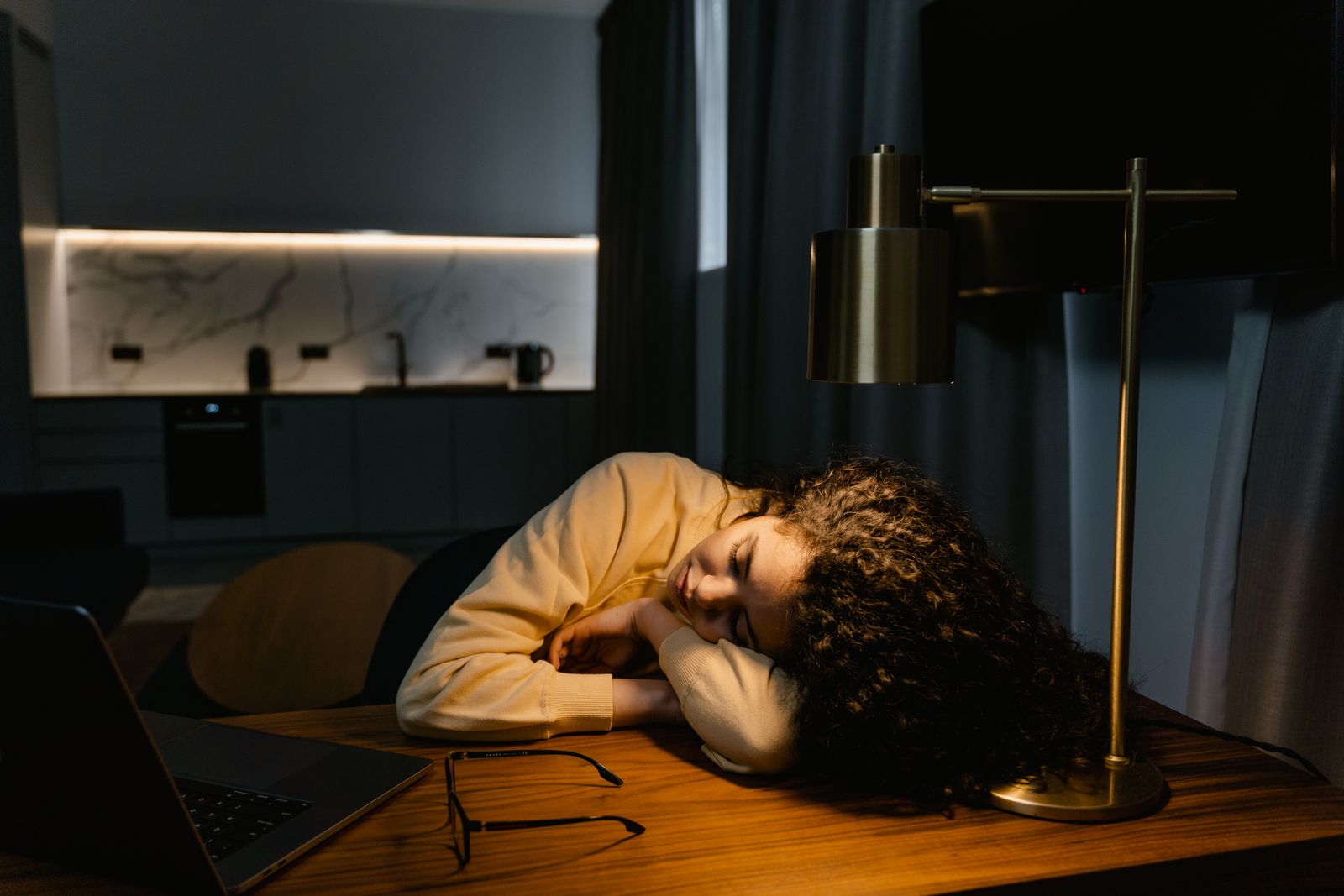
Quote by Anne Lamott: Almost everything will work again if you unplug it for a few minutes, including you
Modern productivity culture schedules everything except rest, removing the off button from contemporary life. Anne Lamott's wisdom about unplugging—including yourself—isn't sentimental advice;…
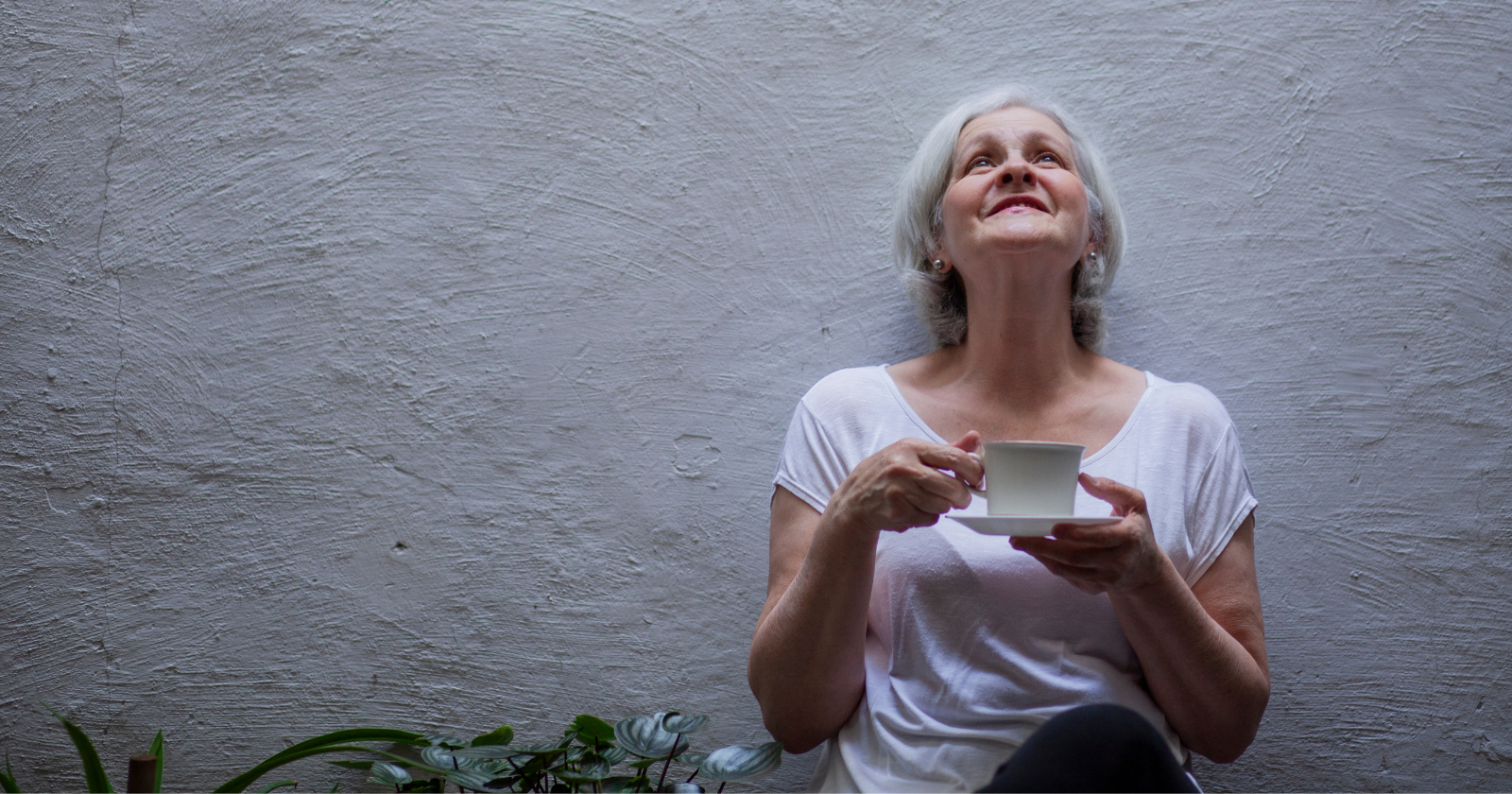
10 small rituals people quietly adopt in their sixties, from eating breakfast outside to keeping one room nobody else is allowed to redecorate to taking the long way home from every errand
In their sixties, people develop quiet rituals—a preferred chair, a set window-opening time, a deliberate detour home—that researchers now recognize as markers…

Adults who became gentler with their bodies somewhere in their late forties usually aren't giving up — many spent two decades treating their body like a problem to be solved before they finally noticed it had been carrying them the whole time
A century of monitoring our bodies has taught us to see them as problems—until somewhere in midlife, many people quietly realize their…
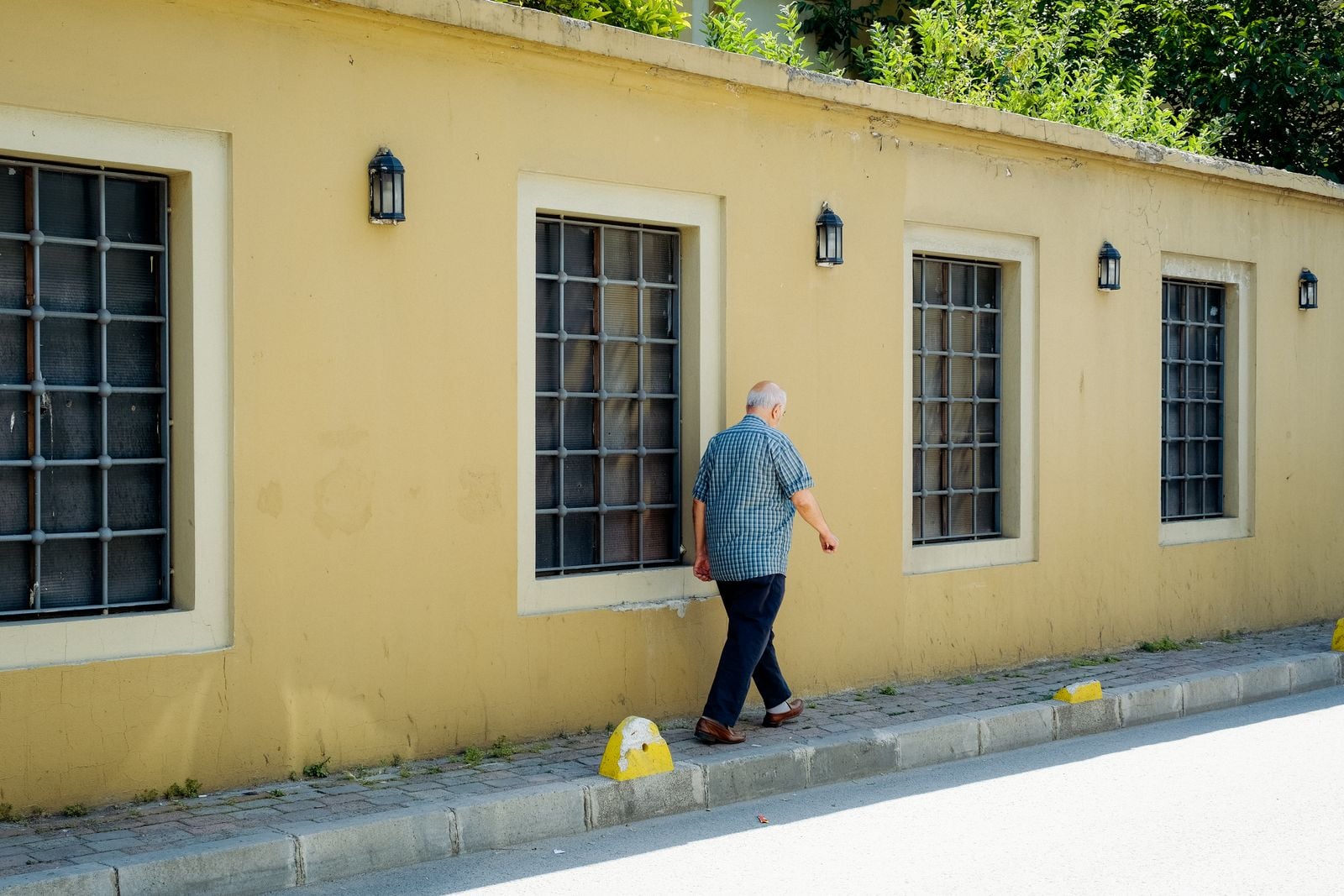
The hardest part of finally slowing down in your sixties isn't boredom, it's discovering how much of your personality was actually just exhaustion management dressed up as preferences
When exhaustion finally lifts after decades, you discover that rigid habits you thought defined you were actually survival strategies. The real retirement…

10 small things people in their sixties stop apologising for, from leaving parties early to ordering dessert first to saying no without offering a reason
In your sixties, a shift happens: you stop performing for others. Research shows the biggest drop in self-consciousness occurs between 60 and…
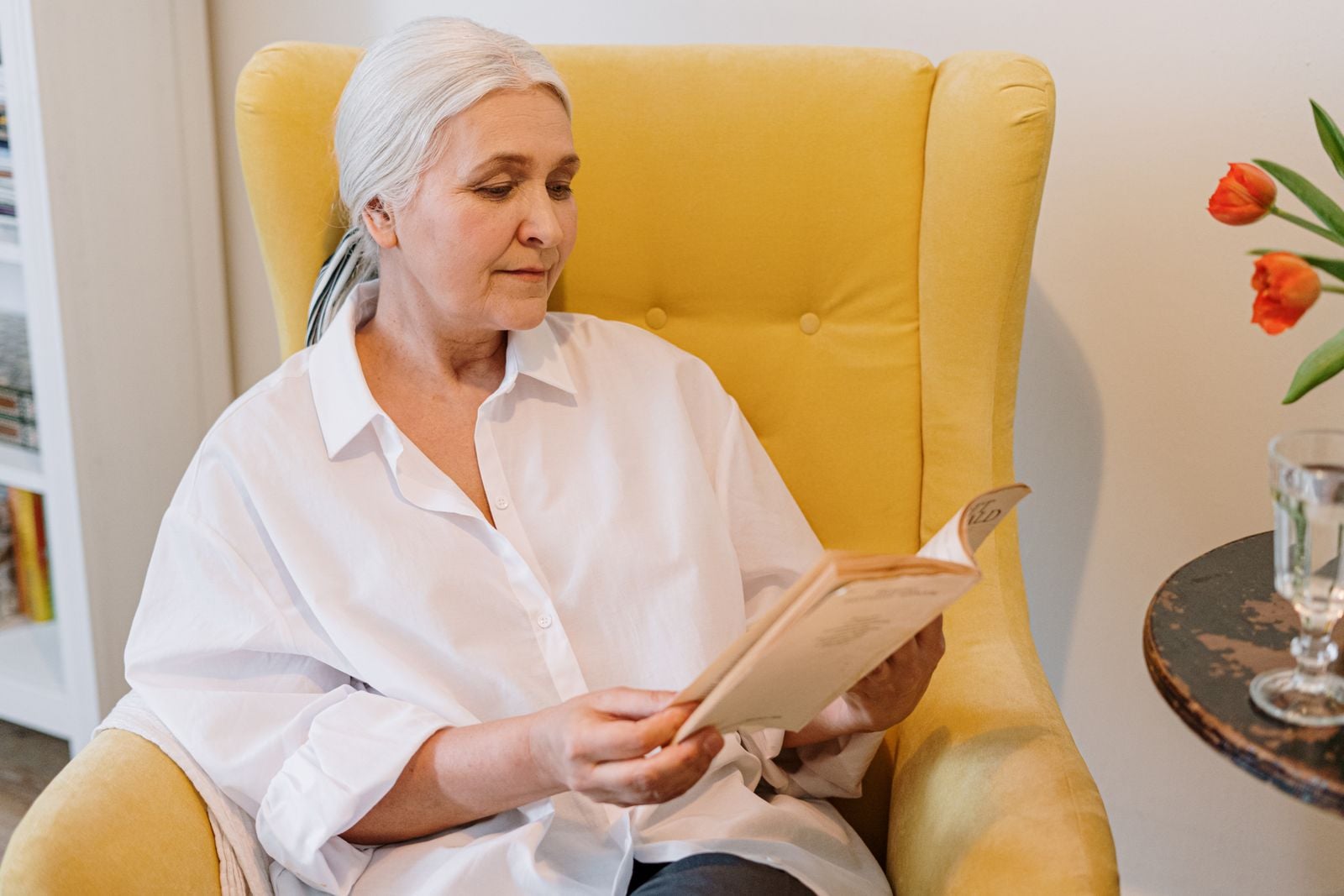
People who feel most at peace in their seventies often aren't the ones who travelled the most or achieved the most, they're the ones who stopped treating every meal, every walk, and every quiet afternoon as something they had to earn
Most peaceful people in their seventies aren't the ones with the fullest passport or longest résumé—they're the ones who stopped auditing their…
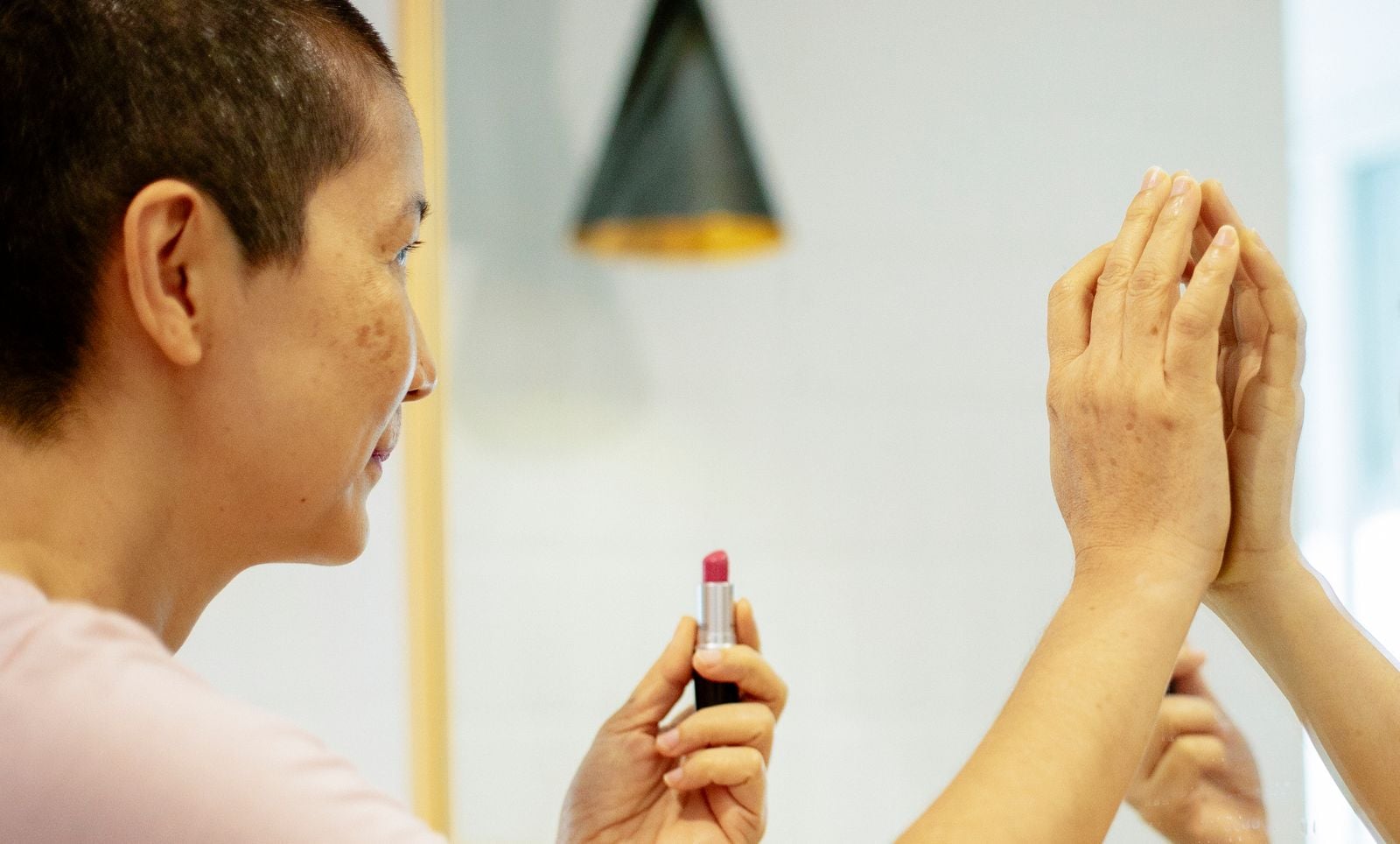
The people who age the best aren't the ones who fought hardest against getting older, they're the ones who, somewhere in their late fifties, quietly made peace with becoming a person their twenty-year-old self wouldn't fully recognise, and stopped apologising for it
The people who age best aren't fighting time—they're renegotiating their relationship with it. New research shows that accepting change, not resisting it,…
 Live Lighter
Adults who grew up with a parent who was warm in public and distant at home often develop a finely tuned radar for inconsistency in others and exhaust themselves in adulthood trying to figure out which version of someone they're getting on any given day
Children who learn that warmth is a performance become hypersensitive to inconsistency in everyone around them, spending adulthood exhausted by the effort…
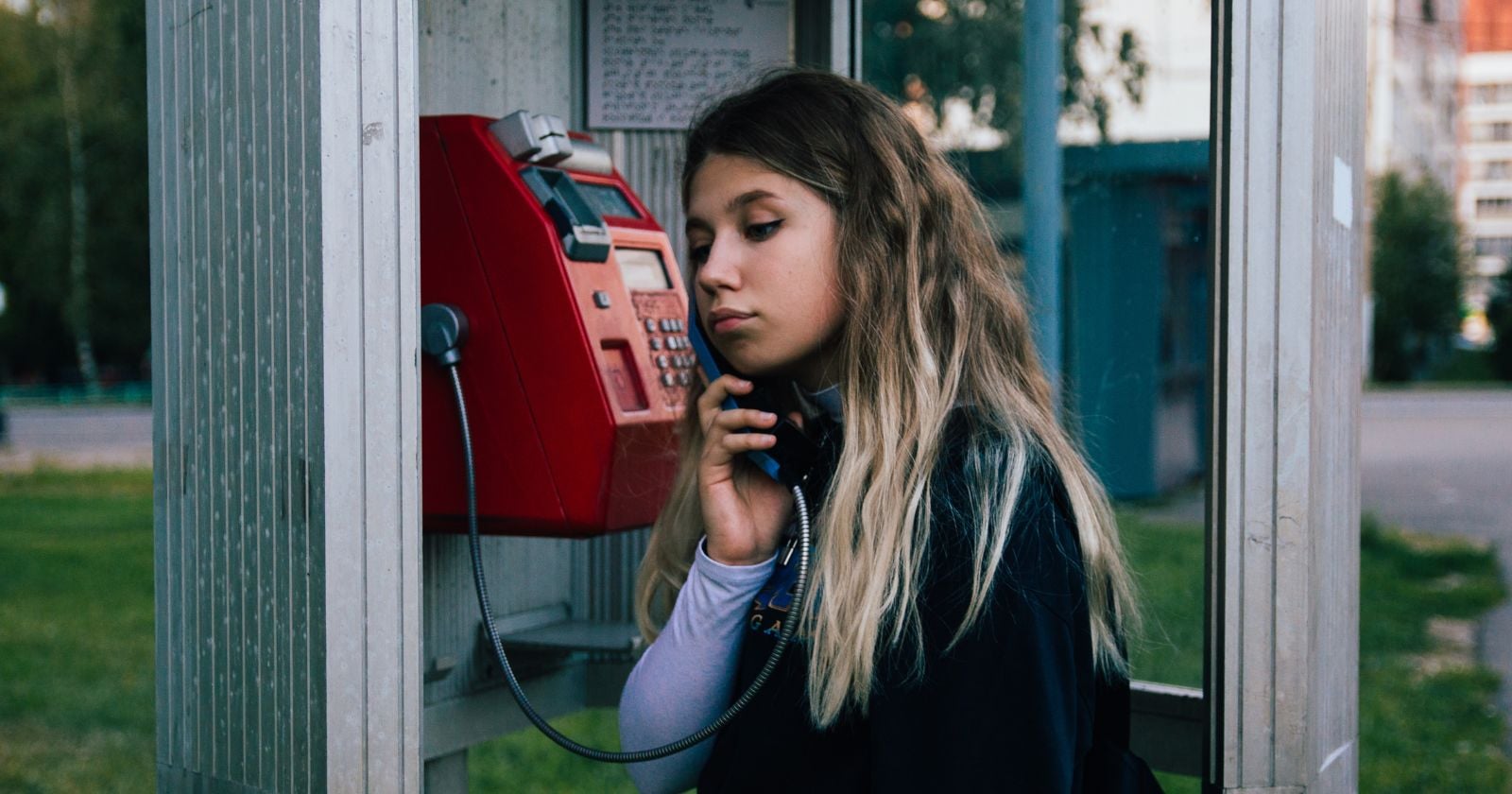
Children who grew up translating for parents who didn't speak the language, navigating bureaucracy before they could drive, and making phone calls no ten-year-old should have to make often become adults who can handle any crisis except the one where someone tries to take care of them
Child translators in immigrant households develop early competence that masks a deeper cost: an inability to accept help as adults, even when…
 Live Lighter
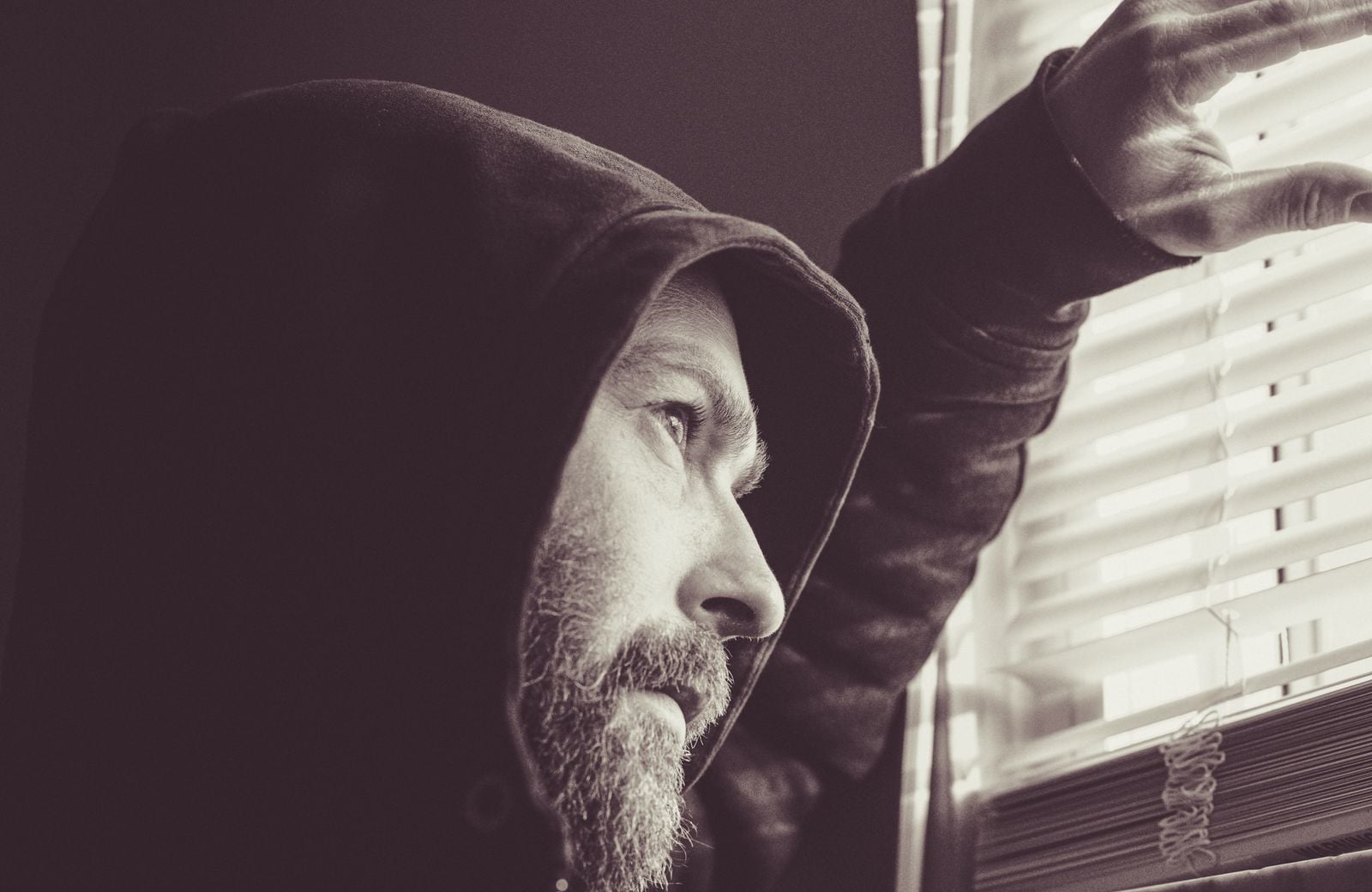
Children who learned to read the weather inside their parents' faces before they learned to read books often grow into adults who can sense a shift in a room within seconds, and exhaust themselves mistaking that radar for empathy
Children born into emotionally volatile homes develop hypervigilance disguised as empathy, learning to read distress in others' faces before they can read…
 Live Lighter
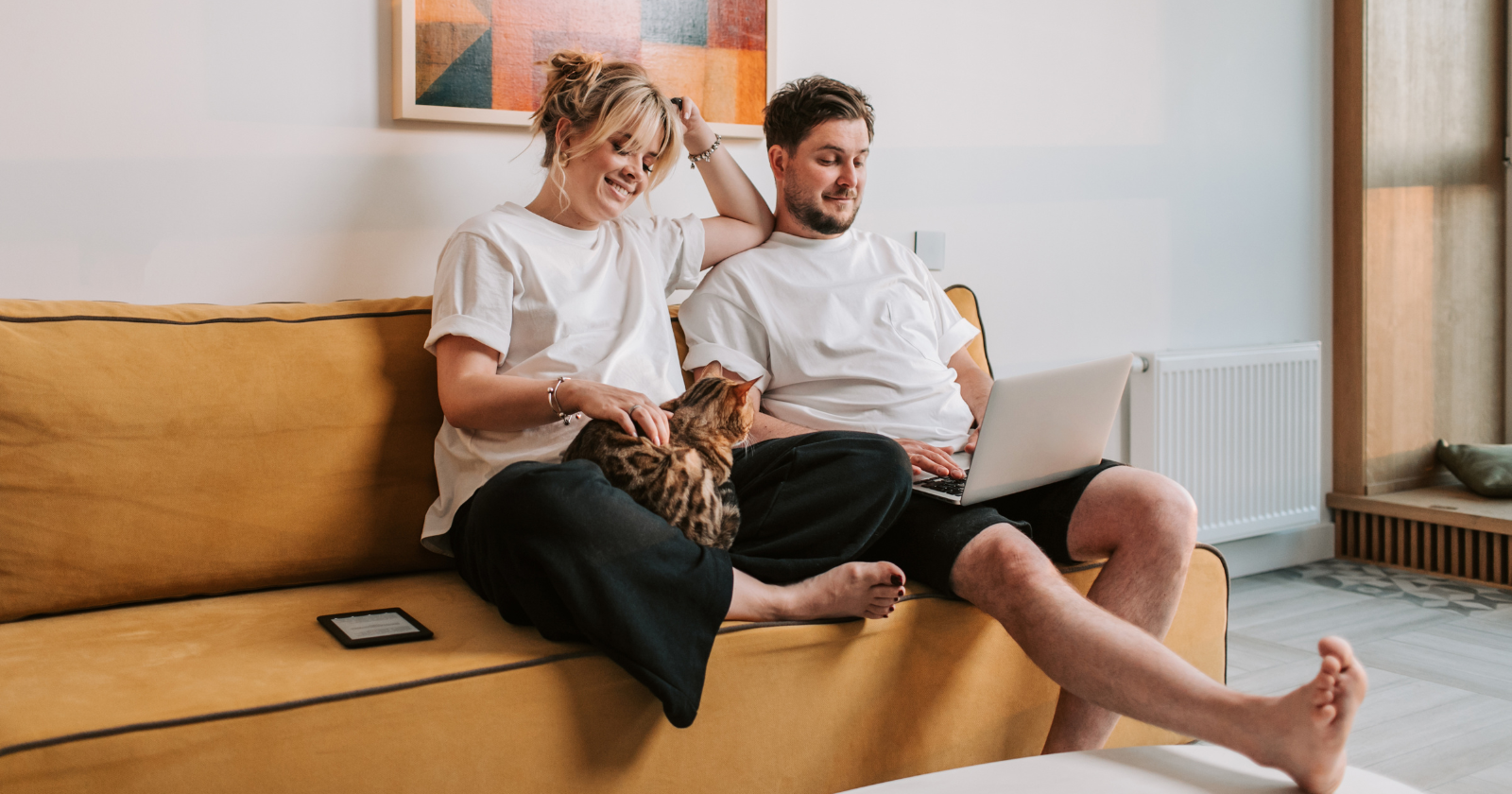
Retirement doesn't always feel like freedom at first, for many people it feels like being handed back a self they last saw at twenty-two and being asked to figure out what that person actually wanted before forty years of usefulness rewrote the answer
When you stop working, you don't automatically find yourself again—you find yourself facing decades of questions about who you actually were before…
 Live Lighter
Adults who can sit in silence with another person without needing to fill it aren't socially confident, they grew up in households where talking was how you managed someone else's mood and silence was the first form of freedom they ever tasted
The people most comfortable sitting quietly with others often learned silence as survival, not confidence. They grew up reading rooms and managing…
Page 1 of 15