Regret is just another form of waiting. Another way to avoid the life that's happening right now, in this moment.
The afternoon I sold my restaurant, I stood on the sidewalk outside, squinting in the unfamiliar daylight like some kind of kitchen vampire. Eighteen years of that place, and I don't think I'd ever seen it from the outside at 2 PM on a weekday.
The lunch crowd was thinning out, normal people heading back to normal jobs, and there I was with a check in my pocket and absolutely no idea what came next.
That night, I sat in my backyard with my wife, watching her plant tomatoes, and felt this strange panic rising in my chest. Not about money or purpose or any of the practical concerns of early retirement. It was the sudden, crushing realization that I'd spent my entire adult life preparing for something that never arrived.
Every sixteen-hour shift, every missed birthday, every relationship I'd let wither while I was "building something important." I'd done it all believing my real life would start later, when I'd finally achieved enough, earned enough, proved enough.
The truth hit me with the subtlety of a kitchen fire. This had been my real life all along. Every single day of it. And I'd sleepwalked through most of it, eyes fixed on some imaginary horizon where everything would finally feel complete.
The myth of "someday"
We tell ourselves these stories about when life will really begin. After college. After the promotion. After the kids are grown. After we have enough saved. After we lose the weight, find the partner, buy the house, sell the house. Always after, always later, always someday.
I spent more than three decades in professional kitchens, and every stage had its own "after." After I get off the dish pit. After I make sous chef. After I open my own place. After we turn a profit. After the review. Each milestone reached just revealed another milestone, like those Russian nesting dolls that never seem to end.
The restaurant industry is particularly good at this delusion. We work insane hours and sacrifice everything. We tell ourselves we're artists suffering for our craft. But really, we're addicts. Addicted to the adrenaline, sure, but also addicted to the story that all this motion means something, that we're building toward some grand culmination that will justify the cost.
Angela Kinsey, the actress, once said, "I think a lot of times we can get distracted and not be in the moment with people and be missing all the life happening in the moment." I guess she was talking about acting, but she might as well have been describing every dinner service where I was physically present but mentally calculating food costs, planning tomorrow's specials, worried about the review we might or might not get.
The high cost of constant motion
My first marriage lasted eleven years, though it was really over by year seven. My first wife would sit across from me at dinner, on the rare nights I was home for dinner, and I'd be there but not there. Nodding at the right moments while mentally reviewing that night's reservations, wondering if my sous chef could handle the Saturday rush alone, calculating whether we had enough duck for the weekend.
"You're always somewhere else," she said once, and I got defensive because the truth stings. I was building our future, I insisted. Working these hours for us, for our son, for the life we'd have once the restaurant was established. But I was really just hiding in the work. The work made sense. Relationships are messy and unpredictable and don't come with prep lists.
I signed the divorce papers between lunch and dinner service, then went back to work because what else was I going to do? My son was old enough to know something was broken but too young to understand it wasn't his fault. I became a weekend dad, trying to compress a week of parenting into two days, overcompensating with trips to the Science Centre and too much ice cream.
Learning presence the hard way
My second wife Linda came into my restaurant when I was forty-four. She sent back the wine without apology or drama, just a simple statement of fact. I brought her a different bottle, we talked for five minutes, and I thought about her for three days. She had this quality of being completely present, fully inhabiting whatever moment she was in. It was magnetic and terrifying.
We dated for years before getting married because neither of us wanted to repeat our mistakes. She saw my patterns clearly. The way I'd check my phone during movies, how I'd mentally menu plan during conversations, my inability to sit still without feeling guilty about it.
"I don't need you to change everything," she said once. "I just need you to actually be here when you're here."
That was the lesson. Physical presence is not the same as actual presence, and learning the difference was harder than any cooking technique I'd ever mastered. It meant restructuring my entire life, letting my managers actually manage, choosing Linda over the restaurant again and again until it became habit instead of sacrifice.
The unexpected gift of limitations
At fifty-three, I started running. Everything hurt. Knees that had stood on hard floors for decades, ankles that had never quite recovered from a fall down the basement stairs during a rush. But Linda ran, and I wanted to share something with her that wasn't about food or logistics or managing our complicated blended family.
The first time I ran a full kilometer without stopping, I felt like I'd climbed Everest in kitchen clogs. My body had limits, it turned out. Real ones, not the imaginary ones I'd been pushing through with caffeine and stubbornness for years.
Those limits became teachers. I couldn't run and think about the restaurant. I couldn't cycle forty kilometers while mentally planning menus. The physical effort required presence, demanded that I inhabit my body instead of living entirely in my head.
The practice of showing up
These days, my life is smaller and infinitely larger. I teach plant-based cooking at the community center, showing people that vegan food doesn't have to apologize for itself. I volunteer at the food bank, running that kitchen like it's a Michelin service because dignity doesn't depend on your ability to pay.
Sunday dinners at our house have become legendary in their chaos. Linda's kids, their partners, my son and his family, sometimes my ex-wife and her partner (which raises eyebrows but makes Ethan happy), neighbors who know the door is always open. I cook elaborate spreads, everything plant-based now, though good enough that the meat-eaters come back for seconds.
Last week, my four-year-old granddaughter stood on a stool, stirring tomato sauce with a wooden spoon too big for her hands. "Why do you cook so much, Grandpa?" she asked.
I thought about all the complicated answers. About love and heritage and redemption, about feeding people as an act of faith, about the restaurant as both sanctuary and prison. But she's four, so I just said, "Because it makes people happy."
She nodded, kept stirring. "It makes you happy too."
The life that was happening all along
Every burnt sauce taught me about attention. Every perfect plate taught me about transience. Every sixteen-hour shift was a day of my actual life, not preparation for life but the thing itself.
The morning Ethan first said "I love you too, Dad" after years of silence. That was my real life. The night Linda cried in my arms about her father's diagnosis. That was my real life. The afternoon I taught Sophie's son to make pasta, flour everywhere, both of us laughing. That was my real life too.
I think about all the moments I missed while waiting for my life to begin. The conversations I half-heard while calculating labor costs. The sunsets I didn't see because I was in the kitchen. The years Ethan grew from seven to seventeen while I was building my restaurant empire of one.
But here's what I've learned at sixty-two: regret is just another form of waiting. Another way to avoid the life that's happening right now, in this moment.
Final words
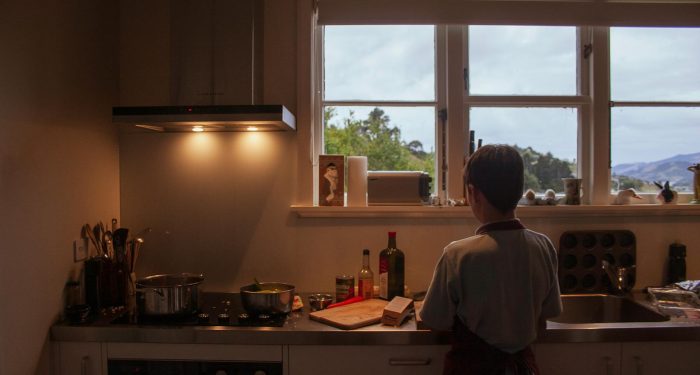
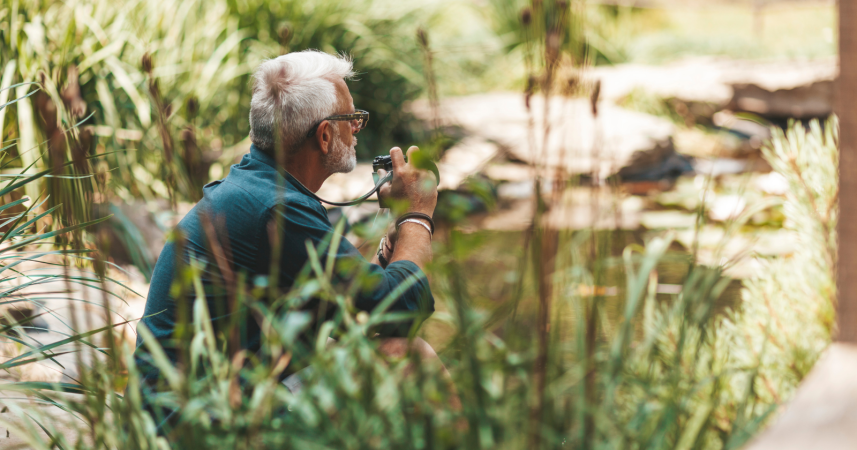
This morning I woke at six, made my espresso, stood at the counter in the quiet kitchen. Through the window, I could see Linda's garden, heavy with tomatoes and possibility. In an hour, she'll come down and we'll plan nothing more than the day ahead. Later, I'll ride my bike along the lake, stop at the good coffee place, take pictures of ordinary things that suddenly seem worth documenting.
Tonight, I'll cook dinner. Something abundant and plant-based that my younger self would have mocked. Maybe Ethan will stop by. Maybe Sophie will text. Maybe none of that will happen, and that's fine too.
This is it. This ordinary Saturday in my sixty-second year. This is the life I was waiting to begin, and it's been happening all along, in kitchens and dining rooms, in mistakes and small triumphs, in the space between what I thought I was building and what I was actually living.
There's nothing to wait for anymore. There's only this: the smell of garlic and ginger, the people around my table, the love we ladle into bowls. This was always the real life. I just had to stop long enough to notice.