Beyond Meat's quiet migration from the refrigerated meat aisle to frozen sections at Walmart and Costco signals more than a logistics decision — it's a shift in who the brand is reaching and how retailers see plant-based protein's future.
Beyond Meat products appear to be migrating from the refrigerated meat aisle to the frozen food section at major retailers — a shelf placement shift that sounds like a logistics footnote but carries significant implications for the plant-based industry's future.
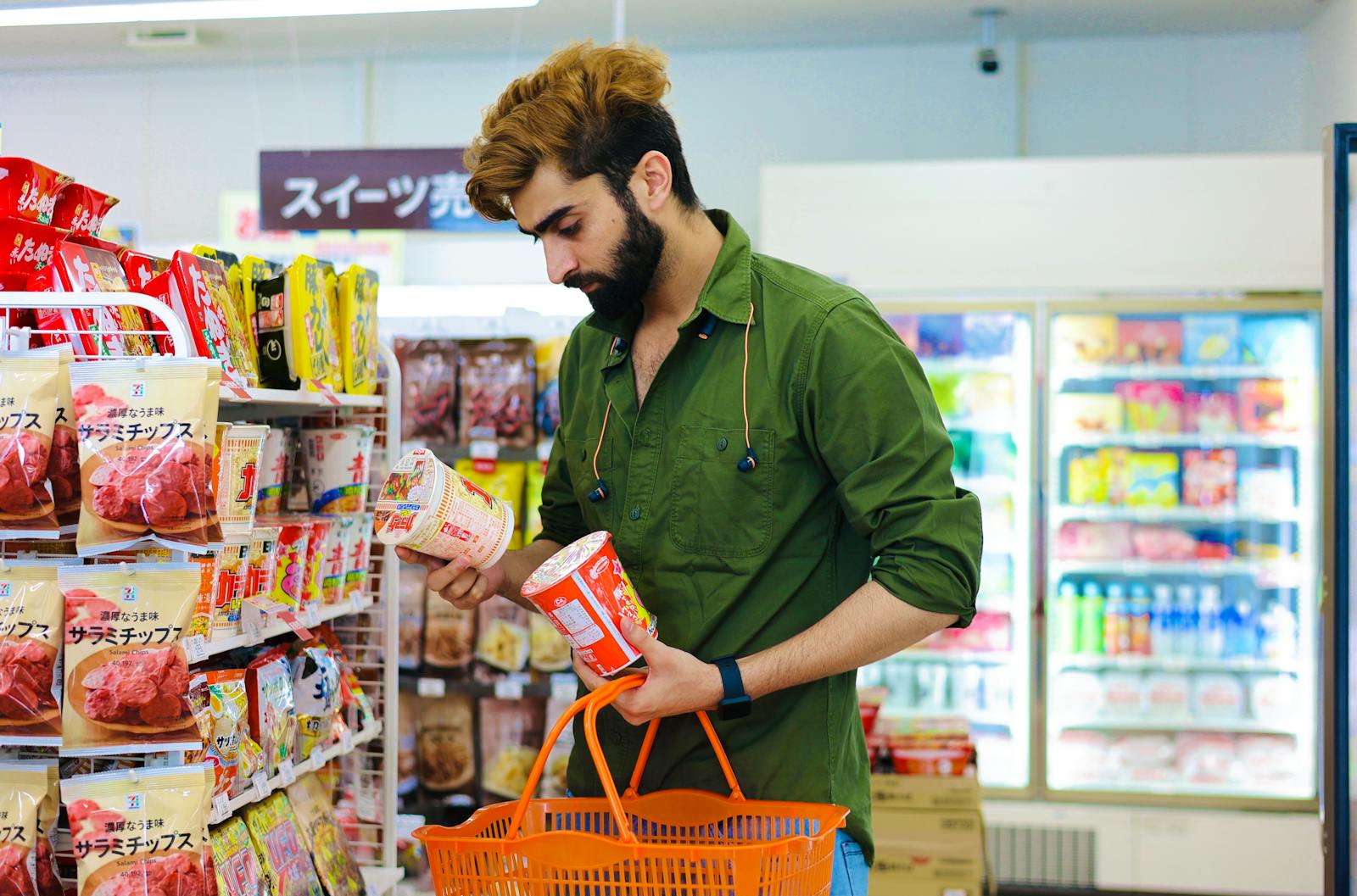
The move has been gradual. Anecdotal reports over the past several months suggest that Beyond Meat's burgers, sausages, and other products are increasingly showing up in freezer cases rather than nestled next to conventional ground beef. For a brand that built its entire early strategy around being in the meat aisle — right next to the animal protein, competing head-to-head for the flexitarian dollar — this represents a fundamental repositioning. The original pitch to retailers was simple: put us where meat eaters already shop, and they'll give us a try. That proximity was supposed to be the magic trick.
So what changed? A few things. Frozen placement extends shelf life dramatically, reducing shrinkage and the financial risk retailers take on products that may not move as fast as conventional meat. Beyond Meat has faced challenges with revenue and retail sales in recent years, and stores have less patience for refrigerated products that expire before they sell. Frozen sections also give brands more real estate — you can stock more SKUs in a freezer door than in a crowded fresh meat case. From the retailer's perspective, this is a pragmatic call about margins and waste reduction.
But the psychology of shelf placement runs deep. Grocery store layouts are engineered with intention — the perimeter (produce, dairy, meat, bakery) draws foot traffic, while frozen aisles tend to attract more deliberate, list-driven shoppers. Being in the meat aisle meant Beyond Meat intercepted people who weren't specifically looking for plant-based protein. Being in frozen means you're mostly reaching people who already know what they want. That's a meaningful difference in audience. The casual curious shopper — the person who might toss a pack of Beyond Burgers in the cart on impulse while grabbing chicken thighs — is a harder reach from aisle seven. We've written before about foods people assume they'd hate but end up loving after one bite, and that kind of discovery happens most often when unexpected options show up in familiar territory.
There's a counterargument worth considering, though. The frozen aisle has become genuinely competitive and exciting in ways it wasn't five years ago. Brands across the plant-based spectrum — from Simulate's nuggs to Dr. Praeger's — have built strong identities in frozen. Shoppers browsing freezer doors in 2026 aren't just grabbing Hot Pockets; they're looking at a curated spread of globally inspired, health-forward, and plant-based options. Moving to frozen could actually put Beyond Meat in better company, surrounded by other brands its target customer already buys.
The larger question is whether this signals a broader industry recalibration. The meat-aisle strategy was always aspirational — a statement that plant-based protein belongs alongside animal protein as an equal choice. Moving to frozen feels more like meeting the market where it actually is rather than where the brand hoped it would be. That's honest, if a little deflating for the narrative Beyond Meat spent years building. As we explored in a recent piece about what happens when you stop pushing and start listening, sometimes the most effective move is adapting to how people actually behave instead of insisting on how they should.
Shelf placement is retail's quiet language. Where a product lives in a store tells you what the store believes about who's buying it and why. The frozen aisle move isn't a death knell — but it is a telling chapter in the ongoing story of how plant-based protein finds its permanent place in the American grocery run.
Feature image by Robert Nagy on Pexels