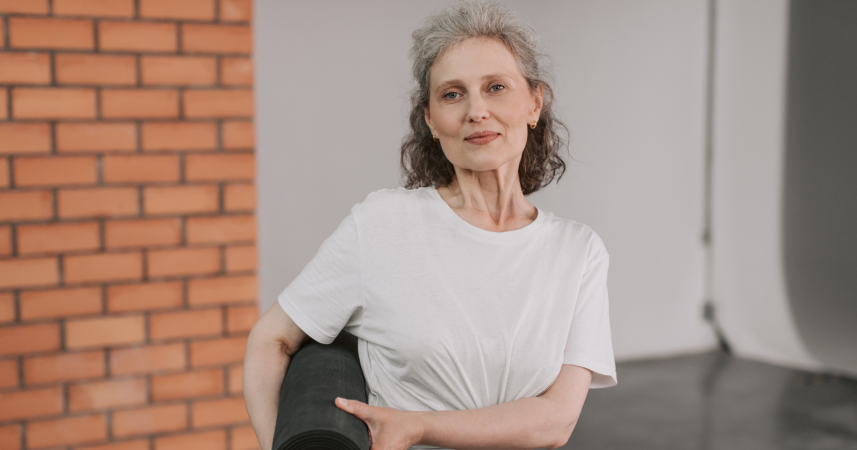
I stumbled into a series of small daily practices that accidentally became the fountain of youth everyone now asks me about.
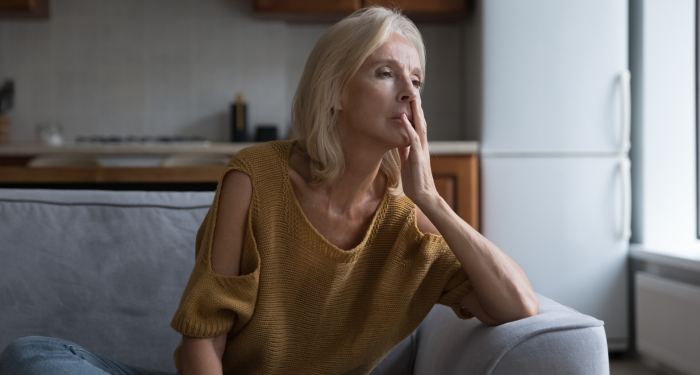
When I turned 58, caught my reflection in a department store window. I didn't recognize the tired woman staring back at me. Not because of the wrinkles — I'd earned those. It was the flatness behind my eyes. The resigned set of my mouth. I looked like someone who had stopped expecting anything good.
That was twelve years ago. Today, at 70, people regularly tell me I look younger than I did back then. I didn't buy an expensive cream or discover some miracle supplement.
I adopted some simple daily habits — small, quiet shifts that cost nothing but attention.
1. Morning journalling
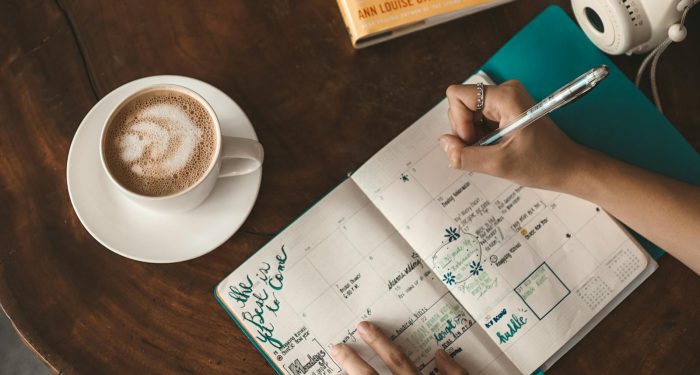
I started waking up at 5:30 AM, not to get more done, but to do less. For the first hour of every day, I sit in complete silence with my tea and journal. No phone, no news, no to-do list. Just me and the quiet morning, writing whatever comes to mind.
Before I even think about breakfast, I need this mental fuel. This hour of stillness feeds something deeper than my body.
The journaling started as scattered complaints and worries. Now it's become a conversation with myself about what matters. Some mornings I write about my dreams. Others, I work through a problem or plan my garden. But mostly, I write about gratitude. Not forced positivity, but genuine appreciation for small things. The way my tea tastes. The cardinal that visits my feeder. My working knees.
2. Walking without a destination
After my morning ritual, I walk. Not power-walking or step-counting, just walking. I started this after a particularly difficult period when the house felt too quiet and too loud simultaneously. Those first walks were desperate attempts to outrun grief. Now they're moving meditations.
I walk the same route through my neighborhood every morning, and that repetition has become a comfort. I know which houses have dogs, which gardens bloom when, which neighbors leave for work at what time. This familiarity grounds me. I'm not trying to get anywhere or achieve anything. I'm just moving my body through space, breathing deeply, noticing the world.
In winter, I bundle up and walk anyway. In rain, I carry an umbrella. The only thing that stops me is ice. But this consistency, this showing up for myself regardless of weather or mood, has taught me something profound about commitment.
3. Tending to my garden
Every morning after my walk, I spend at least thirty minutes in my garden. I've maintained this cottage garden for 30 years, but it wasn't until my late fifties that I understood what it was teaching me.
Gardens don't care about your timeline. You can't rush a tomato to ripen or force a rose to bloom. You can only create conditions for growth and then wait. This patience, this surrender to natural rhythms, began seeping into the rest of my life.
I stopped trying to fix everything immediately. I learned to let conflicts breathe before responding. I gave my adult children space to make their own mistakes. I accepted that some problems solve themselves if you just tend to what's in front of you and wait.
The physical work keeps me flexible and strong. But more importantly, it keeps me hopeful. Every spring, I plant seeds knowing I might not see them bloom. That's faith. That's what keeps you young, not the absence of wrinkles, but the presence of possibility.
4. Reading
Remember when you were young and could lose an entire afternoon in a book? I reclaimed that. I read for at least two hours every day. This isn't dutiful reading or self-improvement. This is pure pleasure reading. Literary fiction, memoirs, poetry that makes me cry.
When I retired from teaching, I thought I'd miss teaching literature. Instead, I discovered the joy of reading without having to explain or justify or grade anyone's understanding. I can spend a whole afternoon with one poem if I want. I can abandon a book after fifty pages without guilt.
This daily reading isn't escape; it's expansion. Every book shows me another way to live, think, be. At 70, I'm still discovering new authors, new perspectives, new worlds. Last month, I finally read a book I'd been meaning to get to for years, and I sobbed on my couch, overwhelmed by its beauty.
5. Saying no
The habit that's made the biggest difference? Learning to say no without explanation or apology. This might not seem related to looking young, but hear me out.
Every time you say yes when you mean no, a little piece of you dies. It shows in your shoulders, your jaw, the lines around your mouth. By 60, I'd accumulated decades of resentment from automatic yeses. Committees I didn't want to join, favors I couldn't afford to grant, social events that drained me.
Now, my no is clean and kind. "That won't work for me." "I can't commit to that." "Thank you for thinking of me, but no." The first few times, I felt sick with guilt. But then I noticed something: people respected my boundaries. And more importantly, my yeses became genuine.
When I volunteer at the women's shelter now, I'm fully there. When I agree to watch my grandchildren, it's with joy, not obligation. This authenticity shows in how I carry myself, how I smile, how I engage with the world.
6. Prioritizing sleep
Clete Kushida, MD, PhD puts it simply: "The sweet spot should be at least seven hours."
But it's not just the hours that matter. I go to bed at the same time every night, even on weekends. I read fiction (never news) before sleep. I keep my bedroom cool and dark. I treat sleep like the sacred restoration it is, not something to squeeze in around more important activities.
This wasn't always the case. For decades, I wore exhaustion like a badge of honor. Four hours of sleep? I was dedicated! Dark circles? I was productive! Now I understand that chronic sleep deprivation ages you faster than almost anything else. Not just your appearance, but your mind, your patience, your capacity for joy.
7. Moving my body with kindness
I practice yoga every morning after my garden time. Not the pretzel-pose kind, but simple stretches that honor what my body can do today. Some days that's a full flow. Other days it's five minutes of gentle neck rolls.
Consistency matters more than intensity.
When my hip hurts, I modify. When my arthritis flares, I do chair yoga. The point isn't to conquer my body but to befriend it. This shift from domination to cooperation has changed everything about how I age.
Final thoughts
I think looking young at 70 has nothing to do with looking young. It's about how you inhabit your body, how you move through space, how you engage with others. It's about the light in your eyes when you talk about what you love.
The habits I adopted at 58 weren't about anti-aging; they were about pro-living. I wanted to wake up without dread. I wanted to feel grateful instead of guilty. I wanted to be present instead of constantly preparing for some future that might never come.
Last month, working in my garden with my granddaughter, she looked up and said, "Grandma, you have dirt on your face." I laughed and probably added more when I tried to wipe it off. Later, I saw what everyone apparently sees in the mirror. Not the absence of aging, but the presence of joy. That's my secret. Not because I've conquered aging, but because I've made friends with it.
If You Were a Healing Herb, Which Would You Be?
Each herb holds a unique kind of magic — soothing, awakening, grounding, or clarifying.
This 9-question quiz reveals the healing plant that mirrors your energy right now and what it says about your natural rhythm.
✨ Instant results. Deeply insightful.
Marlene Martin
Marlene Martin is a retired high school English teacher who spent 38 years in the classroom before discovering plant-based eating in her late sixties. When her daughter first introduced her to the idea of removing animal products from her diet, Marlene was skeptical. But curiosity won out over habit, and what started as a reluctant experiment became a genuine transformation in how she thinks about food, health, and aging.
At VegOut, Marlene writes about nutrition, wellness, and the experience of embracing new ways of eating later in life. She brings a teacher’s instinct for clarity and patience to topics that can feel overwhelming, especially for readers who are just beginning to explore plant-based living. Her writing is informed by personal experience, careful research, and a belief that it is never too late to change.
Marlene lives in Portland, Oregon, where she spends her mornings reading research papers, her afternoons tending a modest vegetable garden, and her evenings knitting while listening to audiobooks. She has three adult children and two grandchildren who keep her honest about staying current.
More Articles by Marlene