Despite building a successful life from immigrant roots and restaurant kitchens to financial security, I still find myself haunted by a poverty that ended decades ago but never really left.
The other morning, I found myself in my basement at 3 AM, checking the water heater for the third time that week. Nothing was wrong with it. The thing is only two years old, works perfectly, but there I was with a flashlight, looking for signs of rust, listening for sounds that shouldn't be there. My wife Linda caught me coming back upstairs and just shook her head. "The water heater's fine," she said gently. "You know that, right?" I did know. But knowing and believing are different animals entirely.
This is what poverty does to you. Not when you're living it—that's just survival. But decades later, when you've built something solid, when the bills are paid and there's money in the bank, that's when the real work begins. Because somewhere deep in your bones, you're still waiting for the other shoe to drop.
My parents came to Canada from Greece with two suitcases and a recipe for souvlaki. They opened a small shop in Hamilton, working fourteen-hour days, six days a week. I did my homework in the back booth, the smell of lamb and oregano permanently settling into my clothes, my hair, my understanding of what life required. We weren't destitute, but we were always one broken freezer, one slow month, one unexpected expense away from disaster.
I remember being twelve, watching my father count the day's receipts three times, his lips moving silently with the math, hoping the numbers would somehow change. They never did. That's when I learned that hard work was necessary but not sufficient. That you could do everything right and still come up short.
My uncle ran a diner across town, and when I dropped out of business school, he gave me a job washing dishes at sixteen. My parents were devastated. They'd sacrificed everything so I could wear a suit to work, not an apron. But I'd inherited something from those years in their restaurant that no business degree could match: the need to feed people, to create something tangible, to know at the end of each day exactly what I'd accomplished.
I worked my way up through every position in that diner, then moved to Toronto, where I eventually ran one of the city's better-known bistros. At forty, I took every penny I'd saved and opened my own place. Nearly went under in the first two years. The 2008 crash almost finished us off. I went six months without taking a salary, living on credit cards and stubbornness. My marriage was already falling apart—fifteen years of Friday nights, Saturday nights, every holiday spent at the restaurant instead of home. When Anne told me she'd been lonely for years, I couldn't argue. I'd been there but not present, providing but not participating.
After the divorce, I lived above the restaurant for two years. Just me and the work, which was all I knew how to do. But something shifted when I met Linda. She sent back the wine at my restaurant, told me it was corked when it wasn't, then smiled and said she just wanted to see if I'd argue with a customer. Instead of being offended, I was charmed. We dated for three years before marrying, both of us carrying enough scar tissue to be careful.
The therapy I'd resisted for years finally taught me what the restaurant never could: that the fear of losing everything can prevent you from enjoying anything. That building a good life isn't just about accumulation—it's about presence. When I sold the restaurant at fifty-eight to my former sous chef, I felt both relief and grief. For the first time in thirty-five years, no tickets were coming in, no vendors calling, no crises that needed immediate attention.
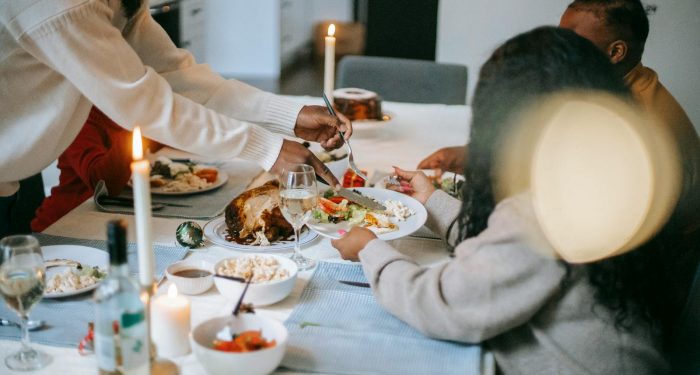
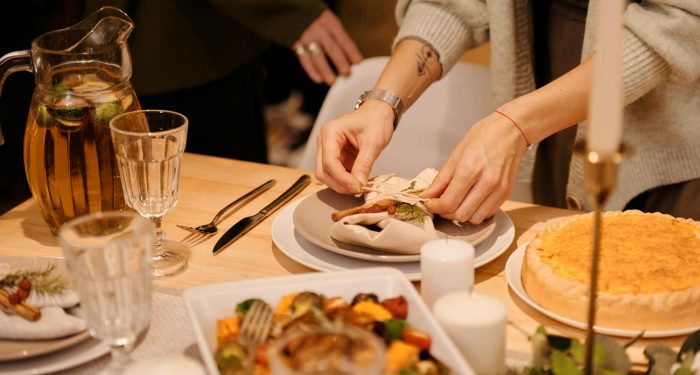
Now, at sixty-two, I consult part-time, grow vegetables that would make my Greek grandmother proud, cycle on weekend mornings. The mortgage is paid off. There's money saved for retirement. My relationship with my son, once strained by divorce and absence, has healed into something real and reciprocal. Linda and I host family dinners where three generations argue about politics while passing dishes of food I learned to make without meat or dairy—a transformation that shocked everyone, including me.
By any reasonable measure, I've made it. I have more security than my parents ever dreamed of. So why do I still check that water heater? Why do I wake at 3 AM running numbers in my head, calculating how long we could survive if everything went wrong tomorrow?
A friend recently asked if I ever regret not finishing that business degree, not taking the safer path. I told him about a night during the 2008 crash when I stood in my empty restaurant, tables set for guests who wouldn't come, calculating whether I had enough credit left on my cards to make payroll. I was terrified, exhausted, watching everything I'd built teeter on the edge. But even then, even in that moment, I wouldn't have traded it for a cubicle and a guaranteed pension. The fear was real, but so was the freedom to fail or succeed on my own terms.
That's the paradox nobody talks about when you grow up without money. You spend the first part of your life desperate for security, the middle part sacrificing everything to achieve it, and the last part unable to trust it even when you have it. The basement checks, the emergency funds that are never quite enough, the mental math that happens every time you make a purchase—these are the ghosts of scarcity that haunt you long after the danger has passed.
Linda understands this. She grew up differently, with stability I couldn't have imagined as a kid. But she doesn't judge my need to check the locks twice, to keep six months of expenses in savings, to have a backup plan for the backup plan. She just takes my hand and reminds me that we're okay, that we've built something solid, that the wolf isn't actually at the door anymore.
The truth is, the fear never fully goes away. It just becomes part of the architecture of your life, like a load-bearing wall you learn to work around. But here's what I've discovered: that fear, exhausting as it is, also keeps me grateful. Every morning coffee with Linda, every Sunday dinner with my son and his family, every bike ride along the lake—I experience them with the intensity of someone who knows they're not guaranteed. My parents' restaurant taught me that everything can disappear, but it also taught me that as long as you can work, as long as you can create something with your hands and your heart, you can rebuild.
The water heater is still fine. I checked this morning.