When my brother's memories painted a portrait of a father who cooked elaborate Sunday dinners and gave patient driving lessons, I realized I'd grown up with a stranger wearing the same face—and now I watch that gentle, present version emerge for my daughter, teaching her everything he never taught me.
Here's what a seven-year age gap means: my brother got the father who worked regular hours. I got the father who owned a restaurant.
My brother remembers Saturday mornings at farmers' markets, learning to smell basil properly, to thump watermelons, to pick tomatoes that would ripen perfectly by Wednesday. These stories sound like fiction to me. The father I knew was either at the restaurant or collapsed on the couch, too exhausted to notice I'd stopped asking him to play.
The timeline tells the whole story. My brother was fourteen when Dad opened the restaurant. Old enough to have years of memories banked, a foundation of connection already poured and set. I was seven. Young enough that my entire conscious memory of my father is of a man being pulled away by something that mattered more than I did.
Different Fathers Under The Same Roof
My brother talks about Dad cooking elaborate Sunday dinners, teaching him to build flavors in layers, to salt pasta water "like the sea." I remember reheated containers from the restaurant walk-in, eaten standing at the counter at 11 PM when Dad finally made it home.
My brother got driving lessons in Dad's beat-up Toyota, windows down, classic rock playing, Dad's hand steady on the emergency brake. I got a gift certificate for driving school and an apology text about scheduling conflicts.
The divorce happened when I was eight. My brother claims Dad got worse after, that guilt and loneliness drove him deeper into work. But I couldn't measure the difference. How do you calculate the increase of absence when someone is already a ghost?
The Cruelest Plot Twist
Twenty years later, the restaurant is sold. Dad goes to therapy. He meets someone new. And suddenly, miraculously, he transforms into the father my brother remembers.
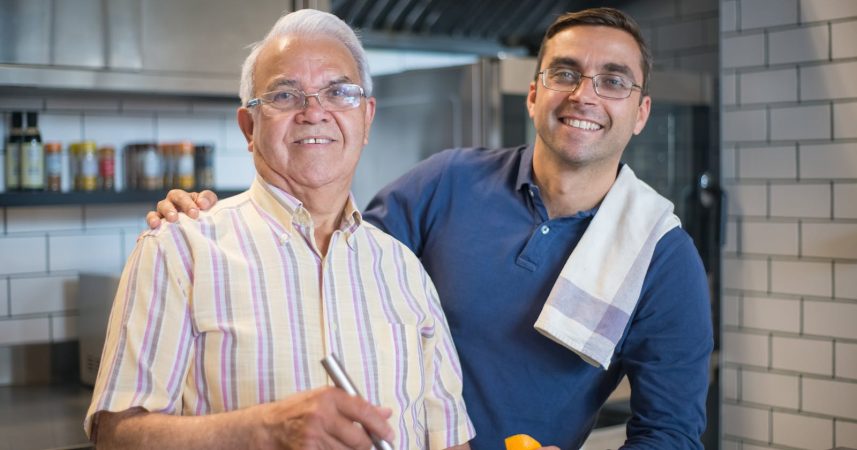
He makes brunch every Saturday for his new partner. He shows up early for my daughter's school plays. He remembers the names of all her stuffed animals. He teaches her to make pizza dough from scratch, patient with every sticky mistake, flour everywhere, nobody checking the time.
Last month, my brother visited while Dad was teaching my daughter to cook. My brother said, "Just like he taught us, right?" I had to leave the room. Because no. Not like he taught us. Like he taught you.
The Inheritance Gap
During my years in the restaurant business, I watched this pattern play out countless times. The owner who was present and patient with the first crew, who became a ghost by the time the third location opened. The chef who taught everything to his first sous, who barely knew the names of the line cooks five years later.
Success has a cost, and it's usually paid by whoever comes after the dream takes hold.
My brother inherited the father who still had energy left after work. I inherited the father who gave everything to the restaurant. My brother got the original; I got the depleted photocopy. Same man, different inventory levels.
What We Grieve Vs. What We Lost
A therapist asked me recently what exactly I was grieving. The question sat with me for weeks before I could answer: I'm not grieving the father I had. I'm grieving the father my brother had. The father my daughter has. All the versions of him that existed before I could claim them and after I was too hurt to accept them.
My brother doesn't understand my anger. He points out Dad's efforts now, the weekly calls, the Sunday dinners at his new house. And he's right. Dad is trying. But my brother got the foundation; I got the renovation project. My brother got the man who knew how to show up; I got the man who was learning, too late, what showing up meant.
Breaking The Pattern
Sometimes I catch myself distracted when my daughter is telling me about her day, phone in hand, mind elsewhere. I stop. Put the phone down. Give her my complete attention. Because I know what it feels like to compete with something that will always matter more than you do. I know the weight of being someone's leftover energy.
The hardest truth is this: the father my brother remembers was real. He existed. He was there, fully present, teaching and laughing and connecting. Just not for me. And no amount of makeup brunches or belated attention or grandfather-of-the-year performances will retroactively install those memories in my childhood.
Final Words
My brother tells me to forgive Dad, says he did his best with what he knew at the time. Maybe that's true. But my brother got his best, and I got what remained. That's not a judgment; it's just math. Some of us are born into the before, and some of us arrive during the after. The trick is making peace with which side of the timeline you landed on, and making sure you don't create the same timeline for someone else.