Department
Living
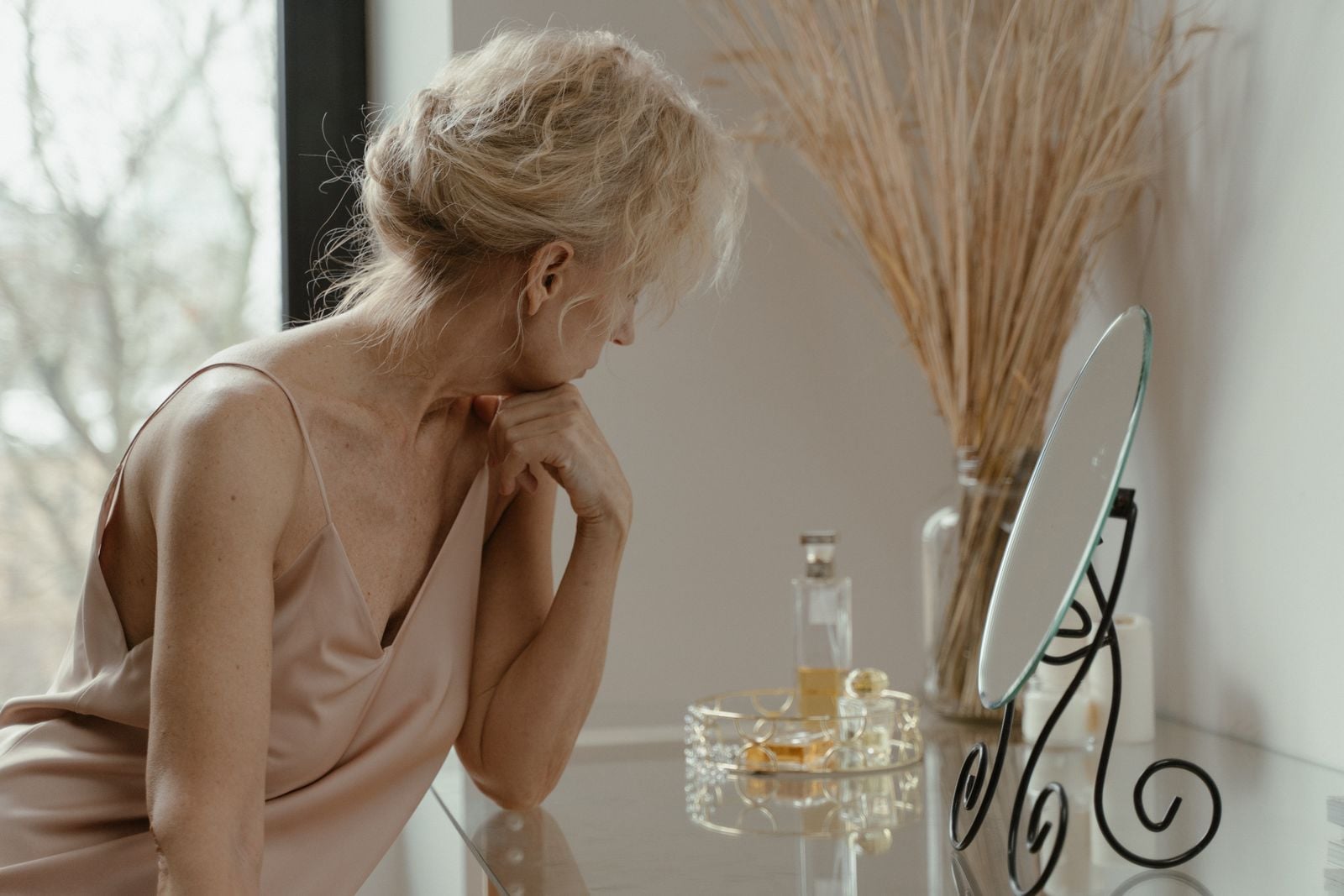
Some women in their fifties stop wearing perfume after decades of never leaving the house without it, and it may not be about scent so much as no longer needing a signature that enters the room first
Women who stop wearing their signature fragrance in their fifties often aren't driven by biology—they're shedding an identity that once announced their…
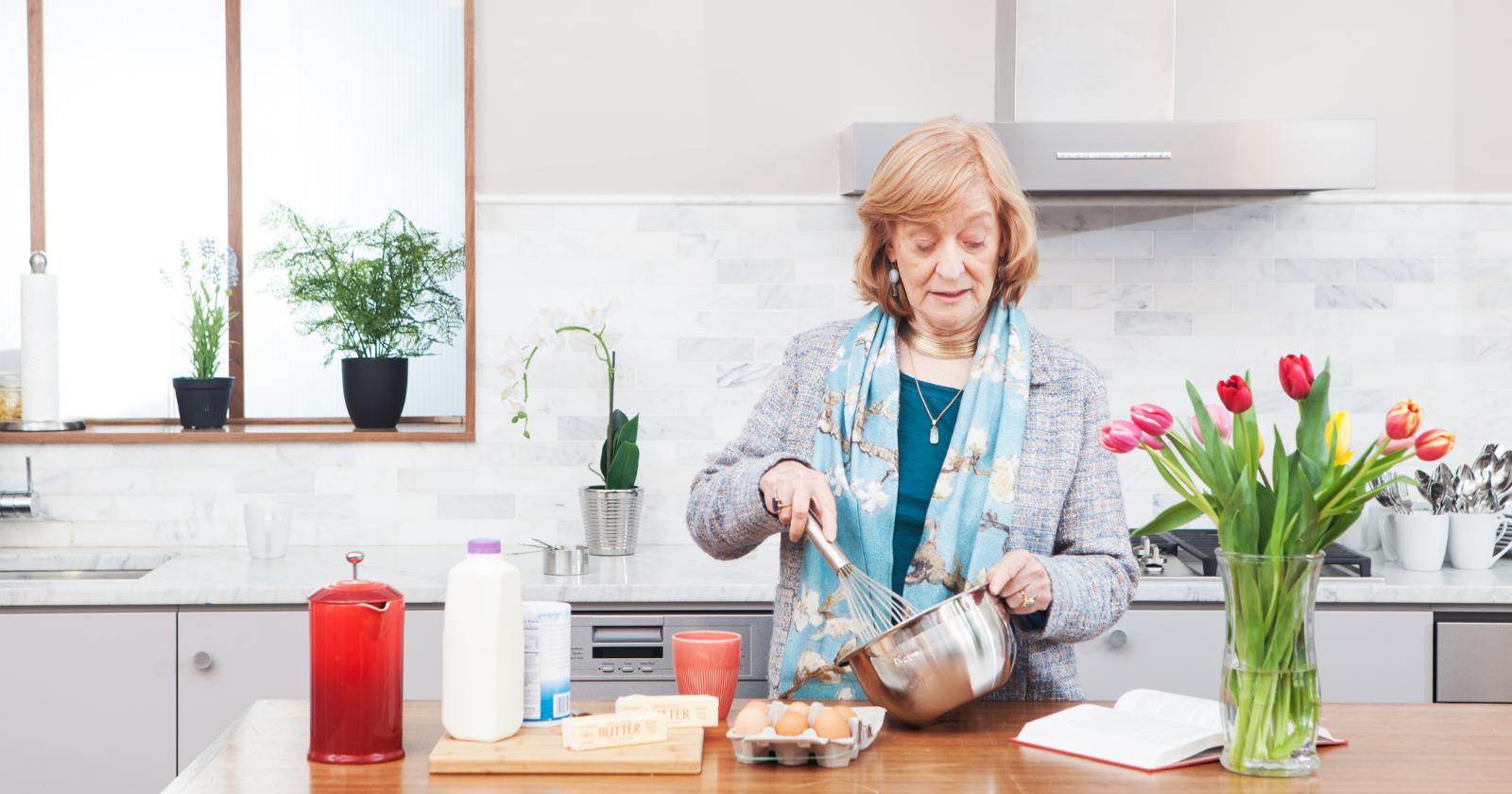
The hardest part of cooking for one isn't the loneliness, it's discovering you spent forty years deferring on what flavours you actually liked and now have to start the conversation from scratch
Learning to cook for yourself after decades of feeding others means confronting an uncomfortable truth: you may have no idea what you…

10 quiet habits of adults who finally stopped trying to be interesting and discovered they were already enough
The pursuit of being interesting often leaves us exhausted and unsatisfied. What happens when people finally stop performing and embrace their natural…

The people who keep a small notebook in their pocket and write things down by hand aren't behind the times
New research shows handwriting activates far more brain regions than typing, revealing that pocket notebooks aren't relics but powerful tools for learning…

A three-year study of nearly 4,000 adults found that brains in their 80s improved with just five minutes of daily training — and the lowest scorers gained the most
A three-year study of nearly 4,000 adults found that brain health can measurably improve at any age — even in the 90s…
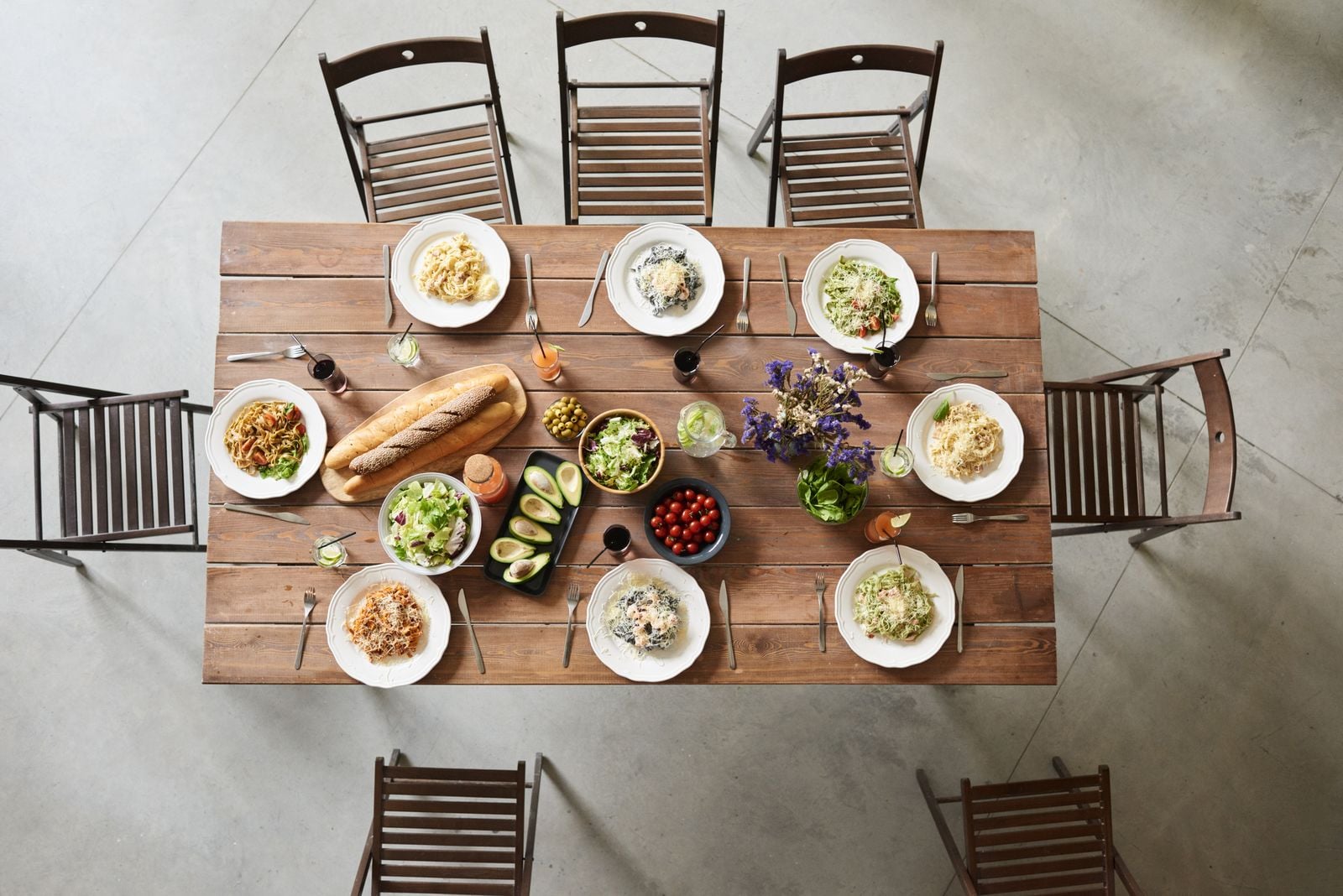
There's a particular kind of loneliness that arrives the first time you cook a full meal for yourself after decades of cooking for a family, and the people who handle it best aren't the ones who keep the recipes the same
When the lasagna pan that fed six people sits unused and dinner becomes a single bowl of pasta, a particular loneliness arrives—one…

There's a particular silence that settles over a house when the youngest child leaves for good, and the parents who handle it best aren't the ones who stay busiest, they're the ones who let themselves sit in it long enough to remember who they were before the noise started
Parents who handle the empty nest best aren't those who fill it with projects and plans, but those who pause long enough…

Psychology says people who insist on real plates and cloth napkins even when they're eating alone aren't being fussy, they figured out that how you treat yourself when nobody is watching is the relationship that decides every other one
How you treat yourself in private—the small rituals nobody witnesses—shapes your capacity for meaningful relationships and determines your sense of self-worth far…
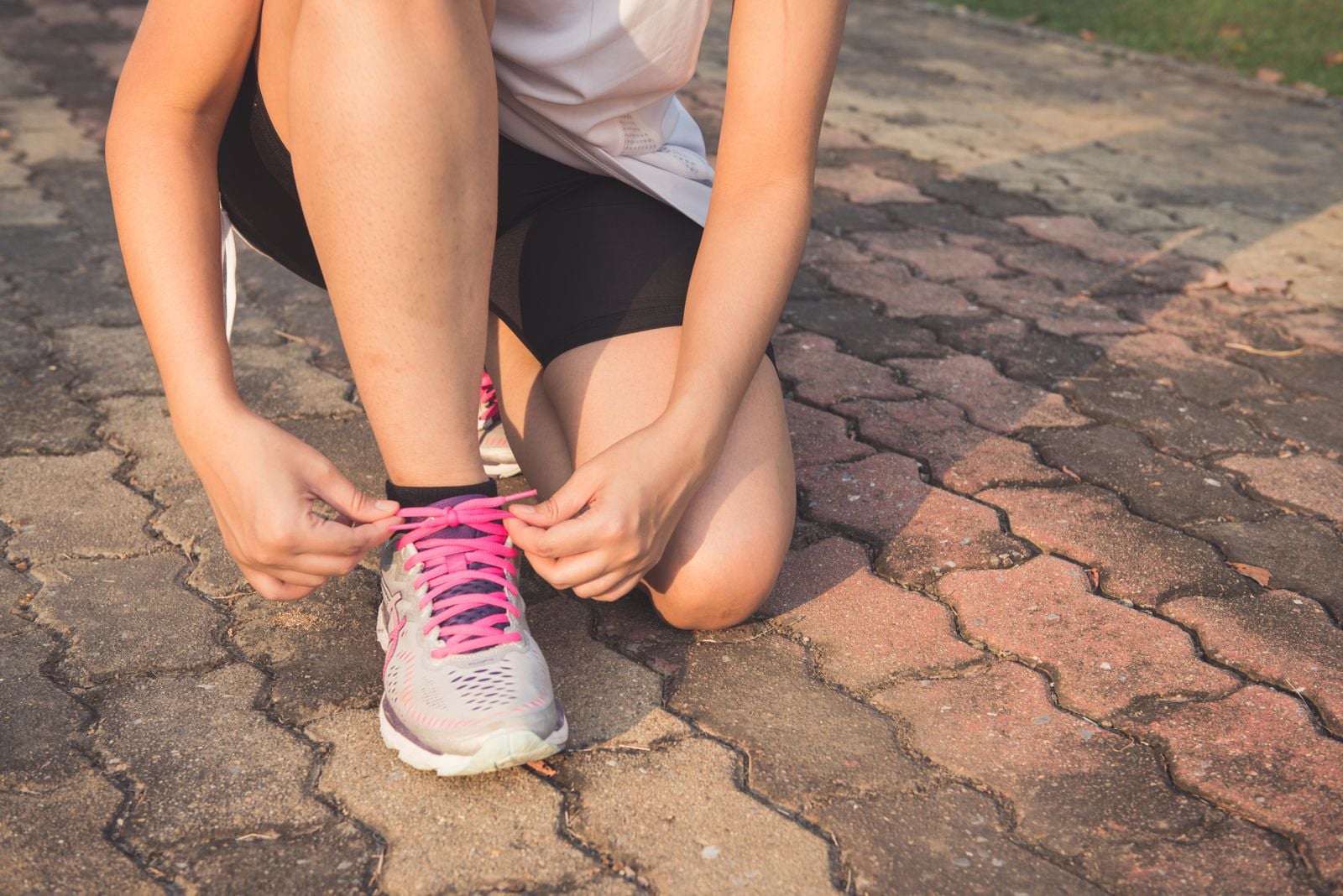
People who walk every single morning regardless of weather aren't disciplined, they discovered that the day handles them better when they handle it first
Morning walkers aren't fighting discipline—they've discovered that handling the day first fundamentally changes how the day handles them. The ritual becomes less…
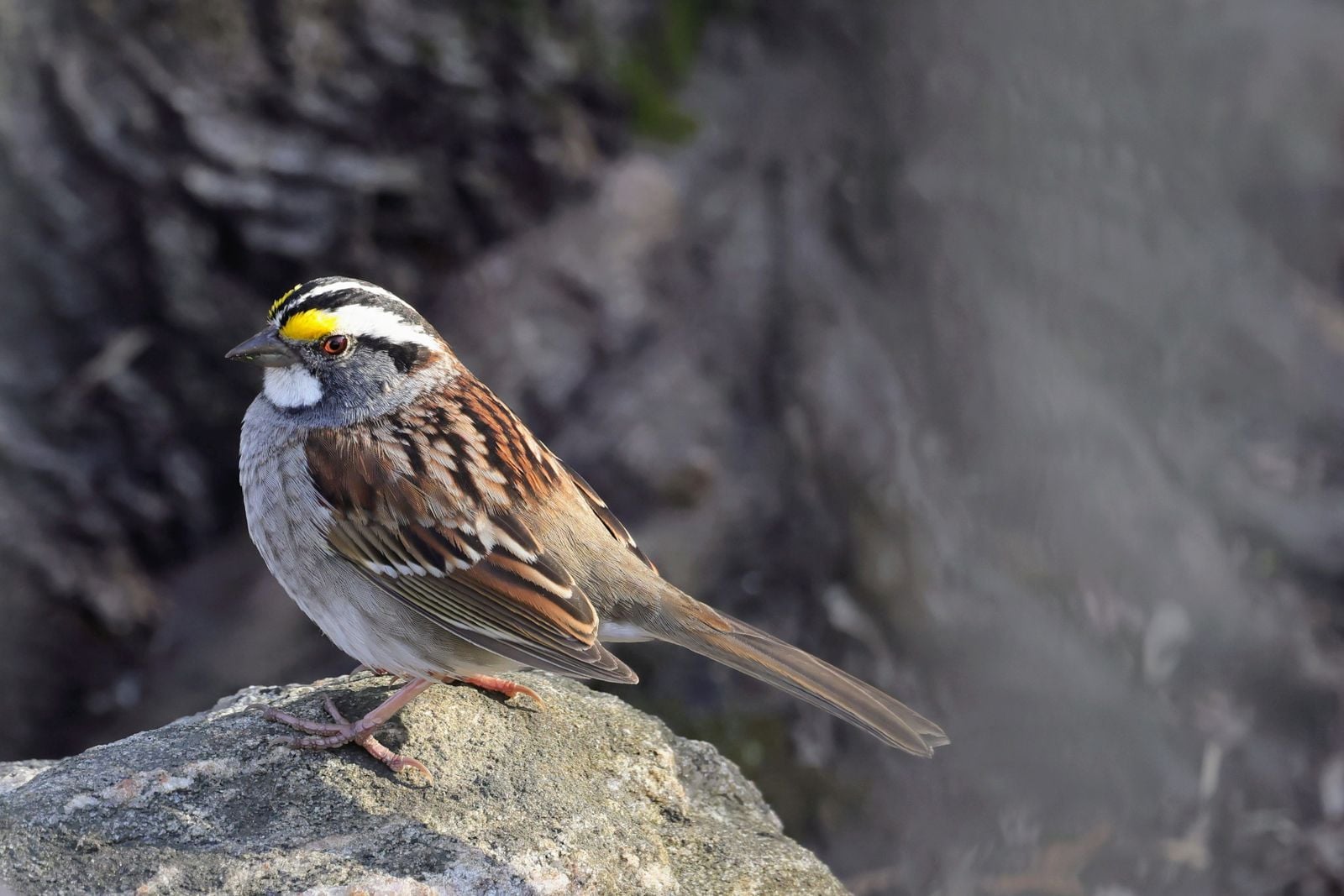
Nobody talks about why men in their sixties suddenly become interested in birds, trees, and the names of clouds, and it isn't a personality shift, it's that they finally have permission to pay attention to things that don't produce anything
When men finally reach their sixties, their sudden passion for birdwatching isn't nostalgia or a morbid reckoning with mortality—it's the first time…
 Think Deeper
What Hemingway's "True Nobility" Quote Is Actually Saying — And What It's Not
Hemingway wasn't telling you to compete with yourself — he was pointing out that the comparison most adults run all day, with…
 Think Deeper
Half your suffering is coming from trying to control things that were never yours to control — the weather, the traffic, whether people like you, how someone interpreted a message you sent three days ago
We spend enormous amounts of mental energy trying to control things that were never ours to control — the traffic, whether someone…
 Think Deeper
People who reach retirement with no close friends are sometimes the people who held closeness to a higher standard than most adults are willing to apply — and the small daily cost of that standard accumulated quietly into the season they're sitting in now, which isn't really loneliness so much as honest accounting.
Some adults reach retirement with very few close friends not because they failed at relationships, but because they held closeness to a…
 Think Deeper
Psychology says people who become happier in their second half of life usually haven't fixed their problems — they've simply stopped treating their problems as obstacles to happiness
The adults who become happier in late life haven't fixed their problems — they've stopped treating their problems as obstacles to happiness,…
 Think Deeper
Psychology Says People Who Become Genuinely Kinder in Their Second Half of Life Usually Aren't Softening — They've Simply Done Enough Internal Work to Recognize Themselves in the Difficult People They Used to Judge
The kindness that radiates from some adults in late life isn't softening — it's the residue of finally recognizing themselves in the…
 Think Deeper
People who switch to a plant-based diet and feel worse before they feel better aren't doing it wrong — they may have started from a protein deficit so deep that the body had already stopped signaling hunger for it
I started eating more carefully and felt worse — and it took me a while to understand that the two things were…
 Think Deeper
A Baptist minister invented the five love languages in 1992 as a Christian marriage book. They are now a Hinge prompt.
How a 1992 evangelical marriage book got laundered into the secular vocabulary of modern love
 Think Deeper
The art of needing less
The richest version of any week is the one where what you have is mostly already what you want.
 Think Deeper
Comfort doesn't come from having more options. It comes from needing fewer
I used to think a richer life meant more choices, more upgrades, and more ways to keep my options open. Now I’m…
 Live Lighter
7 Things Worth Dropping This Year That Make Life Feel Richer, Not Poorer
Small purchases I quietly walked away from this year. None of them were missed. Most of them gave something back.
Page 1 of 14