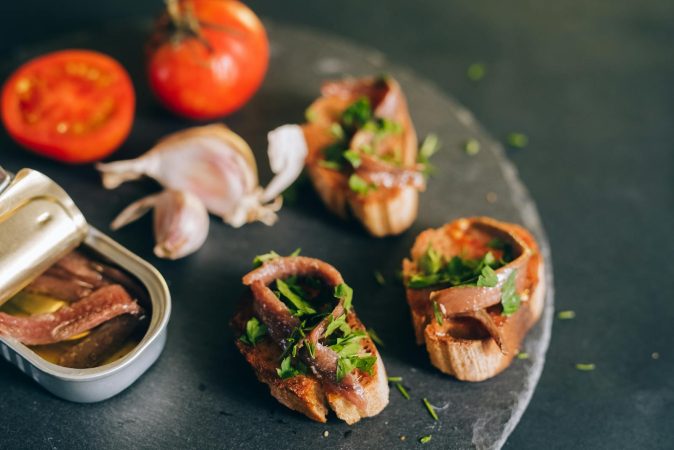
People who've made peace with cooking solo aren't solving a logistics puzzle—they've resolved something deeper about whether their own dinner deserves the same care they'd give a guest.
The pan I use most often is an eight-inch carbon steel skillet that cost forty dollars and weighs more than the rest of my cookware combined. It lives on the back burner because putting it away and taking it out again four nights a week stopped making sense around month two. Most evenings it holds dinner for one person.
The conventional wisdom is that cooking for one is a logistical problem. Too much produce. Awkward recipe yields. The tyranny of a full loaf of bread. Solve the logistics, the thinking goes, and the emotional weight evaporates.
That framing gets it backwards. The logistics are downstream of something else entirely. Most people who struggle with cooking for one aren't struggling with portion math. They're struggling with a quiet belief that the current arrangement is temporary, provisional, a holding pattern before the life they were supposed to have shows up and starts generating proper meals. Single-person households now make up roughly 30% of all households worldwide, which means a lot of dinners tonight are being eaten by one person who is still, on some level, waiting.
Then something shifts. Sometimes it takes years. And when it shifts, a specific set of kitchen habits tends to appear. Small, unglamorous, almost invisible to anyone else. These are the habits I keep noticing in people who've made peace with feeding themselves.
1. They buy one good ingredient instead of a week of mediocre ones
The placeholder version of cooking for one is built around damage control. Buy the cheapest chicken, the most forgiving vegetables, the shelf-stable things that won't shame you when they rot. The logic is protective: don't invest, because the investment might be wasted on just you.
The habit that replaces this is almost embarrassingly simple. A single beautiful piece of fish. A jar of olive oil that cost more than it should have. Two perfect tomatoes in August instead of a clamshell of sad ones in February.
The portions shrink, the care expands. You stop buying food as if you're stocking a bunker for a family that might arrive, and start buying it as if the person eating it tonight deserves the good version.
This isn't about money. Someone spending eleven dollars on good bread once a week is spending less than someone throwing out half a Costco run. It's about where the attention goes.
2. They own one pan they actually like touching
Kitchens built for the hypothetical future tend to be over-equipped and under-loved. A full knife block where only the paring knife is sharp. A stand mixer still in its box. The twelve-piece nonstick set from a wedding registry that no longer applies.
People who've settled into cooking for themselves tend to narrow down. One pan with real weight. A knife that's been sharpened within the current decade. A wooden spoon that's developed the particular darkness of a tool used four nights a week.
The rest gets donated or quietly exiled to a high cabinet. What's left is a setup that matches the actual scale of the life being lived, not the one being waited for.
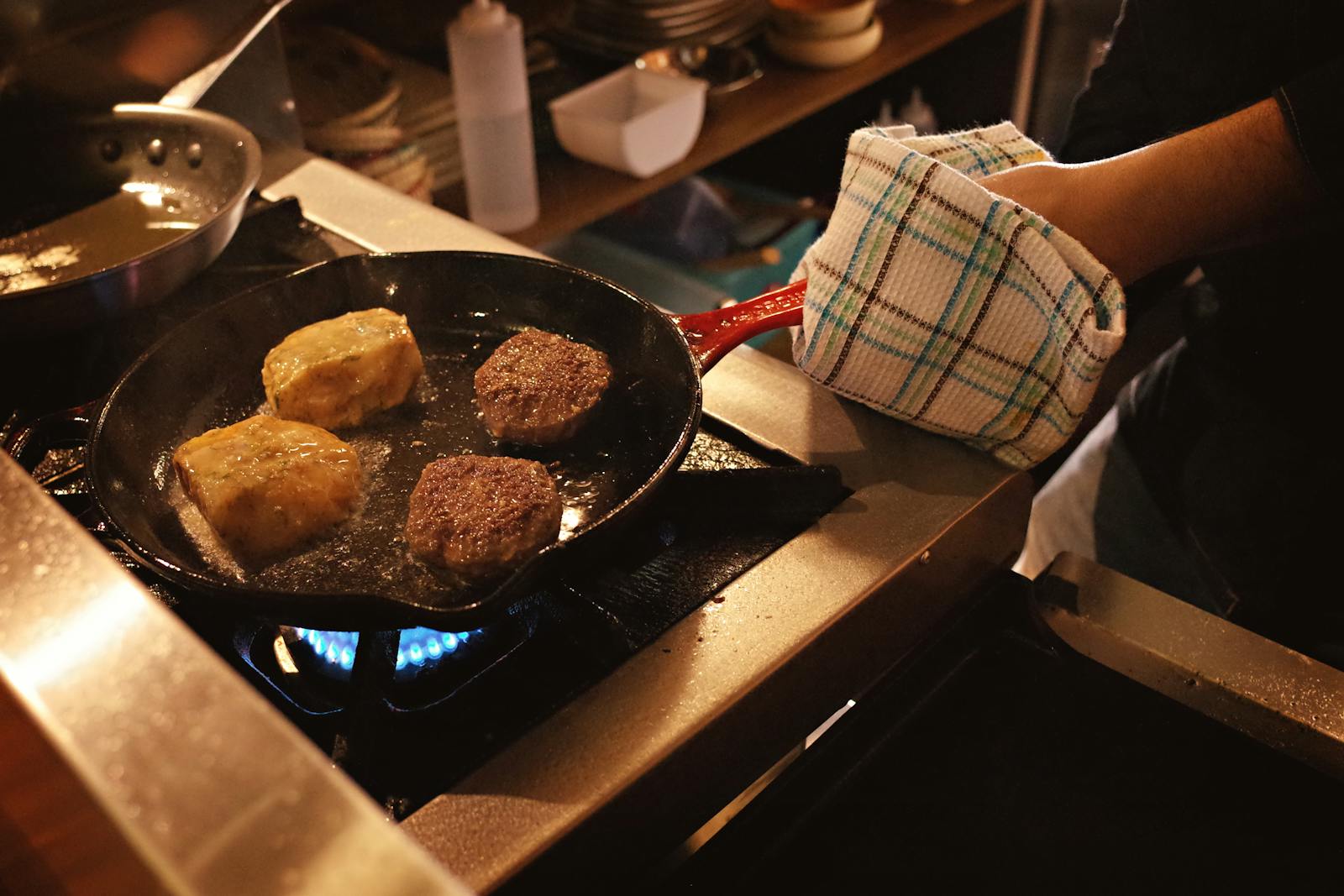
3. They cook on weeknights, not just weekends
There's a specific pattern among people still holding cooking at arm's length: elaborate weekend projects, takeout Monday through Thursday. The weekend meal is for other people. A dinner party, a partner who might materialize, a performance. The weeknights are triage.
I did this for years. I'd spend a Saturday on a braise that could have fed six, then eat cereal standing up on a Tuesday because making actual dinner for one person felt like too much effort for too small an audience.
What changed wasn't discipline. It was a recalibration of what the weekday meal was for. Simple pasta with good olive oil and black pepper. Rice, a fried egg, whatever greens are in the fridge. Toast with something on it. Food that takes eleven minutes and tastes like someone bothered.
The weekend projects still happen. But they stopped being the only time cooking counted.
4. They set the table even when no one's watching
This one sounds precious until you've lived it. Setting a place. A plate instead of the container, a real fork, a glass of water that isn't the same plastic bottle from the car. That sequence is the physical action that separates feeding yourself from grazing through the evening.
During three years I spent in Bangkok, I watched friends who lived alone do this without ceremony. A single bowl, chopsticks, a small dish for chilies, sitting down. There's a Thai idea called sabai that gets loosely translated as comfort or ease, but it's closer to the sense that a moment has been set up to be inhabited rather than rushed through. You don't have to be Thai to borrow the concept. The first time I tried it at home, in a studio apartment with one functioning chair, it felt theatrical. By the second week it had stopped feeling like anything at all, which is the point.
As solo living becomes more common, reporting on the rise of one-person households among older adults describes long-term living-alone arrangements as the new normal for many. With that comes the question of whether daily life gets treated as life, or just as the interval between events involving other people.
Setting a table for yourself is a small vote for the first interpretation.
5. They let leftovers mean something other than failure
Placeholder cooking treats leftovers as evidence of miscalculation. Too much was made. Something was wasted. The math didn't work.
The shift happens when leftovers stop being evidence and start being a plan. A pot of beans on Sunday becomes huevos on Tuesday and a soup on Thursday. Roasted vegetables become a grain bowl, then a frittata, then the inside of a quesadilla. The same ingredients cycle through three or four meals wearing different outfits.
This is the oldest way humans have ever eaten. Batch cooking isn't a TikTok invention. It's how anyone feeding themselves over time has always operated. The only thing that's new is the cultural suggestion that each meal needs to be freshly conceived, photographed, and distinct, which is a suggestion that collapses under the weight of actually cooking for yourself five nights a week.
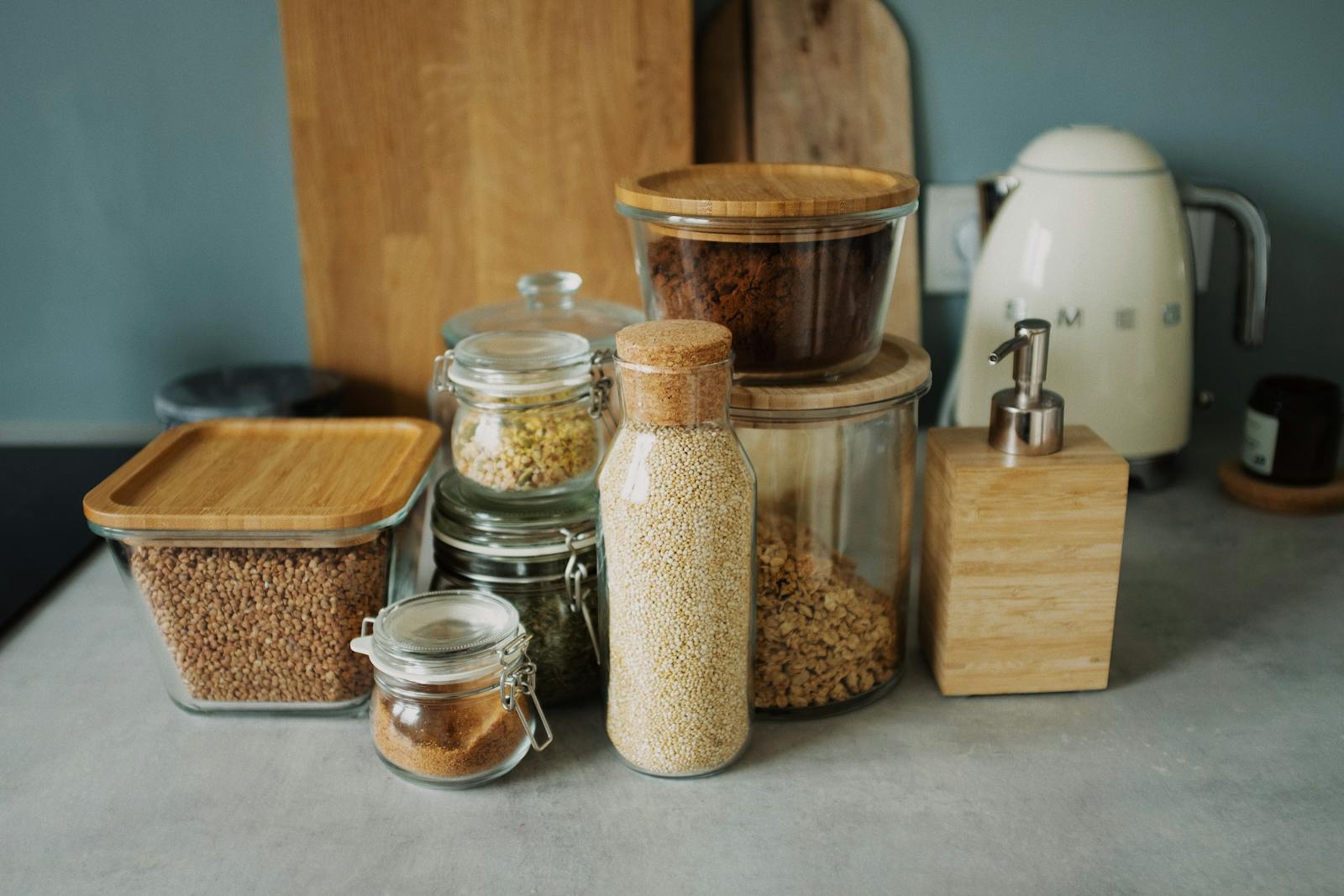
6. They stop apologizing for eating the same thing repeatedly
There's a loop most people who cook for one eventually land in: the same four or five meals, rotated. Some weeks it's one meal, repeated. A particular soup. A specific bowl. The same eggs, done the same way, for eleven days running.
In the placeholder version of life, this feels like a symptom. Boring. Sad. Evidence that the cook has given up. The version that arrives after the peace treaty looks different. You've figured out what you actually like. You stop performing variety for an imaginary audience that might judge the fridge for repeating itself.
This is closer to how most humans throughout history have actually eaten: a small repertoire of meals, deeply known, slightly varied by what's in season. The idea that every dinner should be a new concept is relatively recent and heavily sponsored by the people selling recipe subscriptions and meal kits.
One of the clearest markers of someone at peace with cooking for themselves is the absence of apologetic language when they describe what they eat. No self-deprecating comments about how boring the meal is, no preamble. Just: this is what I had for dinner.
The quiet work underneath the habits
None of these habits are really about food. They're about a psychological shift that many therapists talk about constantly: the move from treating the present as a waiting room to treating it as the actual location of your life. Practitioners using acceptance and commitment therapy often describe this as the difference between fighting your circumstances and building a life inside them. Similar language appears in ACT-oriented clinical practice across the country. The goal isn't to talk yourself out of wanting something different, it's to stop treating the current version as less real than the imagined one.
Cooking is where this plays out three times a day. Every meal is a tiny referendum on whether the person in front of the stove counts.
The solo-living trend isn't small. It's one of the most significant household reorganizations of the last half-century, and it isn't limited to any one generation. The data on aging adults living alone shows long lifespans and smaller families pushing the arrangement upward in age, while reporting on younger solo households shows the same pattern arriving earlier in life, shaped by urbanization, housing costs, and the gig economy.
What nobody has really sorted out is the cultural script for eating inside these households. The script for couples is everywhere. The script for families is ancient. The script for one person, feeding themselves, night after night, without the framing of deprivation or transition, is still being written.
I've written before about the small rituals that people who live alone and enjoy it build into their week without ever labeling them as self-care. Kitchen habits sit at the center of that cluster. They're also the easiest to start.
There's research worth taking seriously on how slower eating relates to better decisions elsewhere in life. The argument is that tolerance for a pause at the table translates into tolerance for pauses everywhere else. If that's true, and I suspect it is, then cooking for one isn't the consolation prize. It's one of the best available training grounds for a skill that almost nothing else in modern life teaches.
Enough is a kitchen word
Here's the part I'll argue for directly. Cooking for one is not a lesser version of cooking. It's the version with the fewest excuses, the least performance, and the most honest relationship between the person making the food and the person eating it. The couple's dinner has an audience built in. The family meal has logistics that can pass for meaning. The solo meal has nothing to hide behind, which is exactly why it tells you the most about what you actually believe about your own life.
The people I know who've made peace with cooking for themselves didn't get there through willpower or a new set of recipes. They got there by stopping the narration that what they were doing was a rehearsal. The meal on the table tonight is not a placeholder. It's the meal. The life around it is not a draft. It's the life.
If you want a single test for whether you've made the shift, it's this: the next time you cook something for yourself, notice whether you'd serve it to someone you respected. If the answer is no, the problem isn't the recipe. It's the audience you're imagining, and the fact that you haven't yet included yourself in it.
What’s Your Plant-Powered Archetype?
Ever wonder what your everyday habits say about your deeper purpose—and how they ripple out to impact the planet?
This 90-second quiz reveals the plant-powered role you’re here to play, and the tiny shift that makes it even more powerful.
12 fun questions. Instant results. Surprisingly accurate.