People who genuinely enjoy living alone don't schedule self-care rituals—they build quiet routines so ordinary they never think to name them that way.
It's 7:14 on a Tuesday morning and someone in a one-bedroom apartment is making the same oatmeal they made yesterday. Same bowl. Same handful of frozen blueberries dumped on top before the microwave even dings. They eat it standing at the counter, scrolling nothing in particular, and by 7:22 the bowl is in the sink and the day has started.
They would not describe this as a ritual. They would describe it, if pressed, as breakfast.
But research suggests that people who report the highest well-being from time alone aren't the ones scheduling elaborate self-care Sundays. They're often the ones who have quietly built small, autonomous routines into their weeks. Routines they didn't label at all. And that word, label, is doing a lot of work here.
The conventional wisdom about living alone has hardened into a script. You're supposed to fight loneliness with productivity, optimize your mornings, light a candle, journal, cold plunge, post about it. Self-care became a marketing category, then a performance, and now a low-grade source of guilt for anyone not doing it correctly.
But the people who actually thrive in solo living tend to operate differently. Their weeks have structure, but the structure doesn't announce itself. It's not a ritual. It's just Tuesday.
I've been thinking about this a lot lately, partly because I work from home in my Venice Beach apartment and partly because I've learned, over years of freelancing while my partner is out during the day, how to build pockets of genuine solitude into a shared life. The difference between a solo stretch that feels grounding and one that feels like drifting comes down to a handful of quiet behaviors. None of them would survive as a wellness product. All of them work.
1. The same breakfast, three or four days in a row
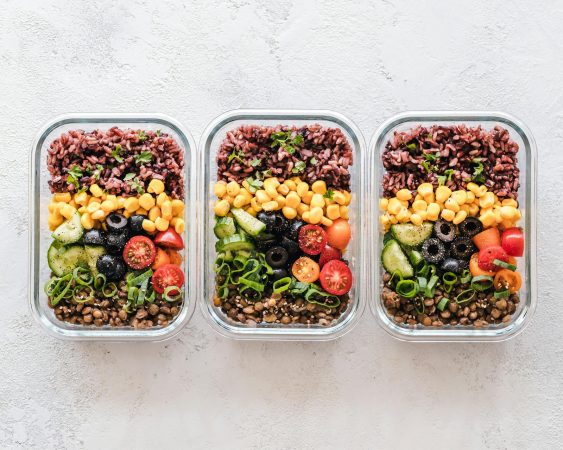
Not meal-prepped in glass containers. Not photographed. Just the same thing, repeated, because deciding what to eat before 9 a.m. is a tax on a brain that hasn't fully loaded yet.
This tracks with what behavioral researchers describe as the core mechanic of habit formation: an automatic response triggered by environmental cues you've established. The whole point is to move toward automaticity, where the behavior happens with less effort and less thinking.
People who live alone well have figured out that novelty is overrated before noon. Oatmeal with the same berries. The same smoothie. Toast with the thing on it. My friend Marco eats two fried eggs on sourdough every weekday and has for what he estimates is three years. He doesn't think of it as a practice. He thinks of it as what the kitchen is for in the morning. The repetition isn't boring; it's load-bearing.
2. A standing reading slot that replaces something else
Notice the wording. Not "added" to the day. Replaced.
The self-care framing wants you to stack reading onto an already-overloaded schedule, which is why it fails. The solo-dwellers I know who actually read every week have traded something specific for it, usually one evening show, or the first thirty minutes of scroll time before bed. Experts recommend simple substitutions: afternoon breaks, reading instead of scrolling, and maybe watching one episode of something instead of two. Research on habit formation suggests that habits typically lock in somewhere between two and five months, with 66 days as a common midpoint for simple ones like reading.
Nobody I know who reads consistently describes it as self-care. They describe it as the thing they do before bed. That's the tell.
3. One weekly meal that's slightly too elaborate for one person
This is my favorite, and the one I'd defend in a fight.
Cooking something real for yourself (not just throwing together a quick meal) is one of the most underrated forms of solitude. A Thursday evening where I roast a whole tray of vegetables, build a sauce from whatever's growing on the balcony, and eat it slowly at the counter is a better mood regulator than almost anything I could pay for.
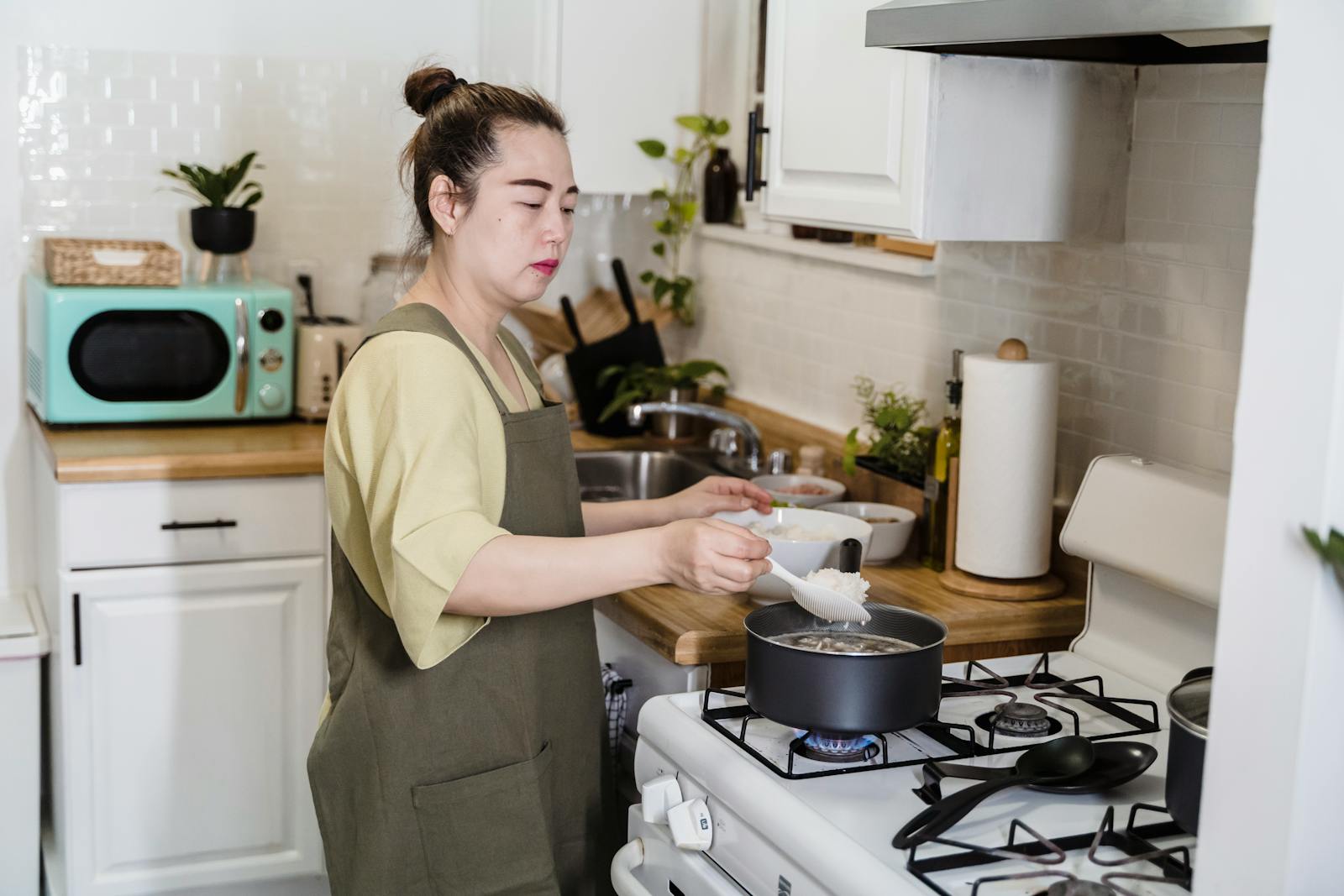
The person doing this isn't trying to practice mindfulness. They're making dinner. But the effect is the same thing psychologists describe when they talk about solitude as a state that fosters connection to self rather than disconnection from others. Some researchers have studied the quiet discomfort of being under-alone, describing it as a form of deprivation distinct from loneliness.
A slightly elaborate meal for one is the antidote. It says: I am worth the extra pan.
4. A standing appointment with a place, not a person
A coffee shop on Wednesday mornings. A specific bench. A bookstore on Saturdays. A bar stool at the Thai place where you don't have to explain that you want the same thing.
We published a piece recently from a 70-year-old reader who described eating breakfast at the same café every morning, not for the food, but because the barista remembered his name. That recognition, he wrote, had quietly become the structure holding his days together.
This is the underrated infrastructure of solo life. You don't need the place to know you deeply. You need it to know you exist. The weak ties (the barista, the guy at the farmers market, the woman at the corner bookstore) do something for the nervous system that a meditation app cannot.
5. Movement that isn't exercise
Movement researchers make a distinction that breaks the whole wellness-industrial complex in half: by movement, they don't mean the gym. They mean getting up and taking a 10-minute walk, or even just moving around your house.
Solo-living people who feel good in their bodies have almost always stopped treating movement as a scheduled event and started treating it as something woven into the day. A walk to the grocery store instead of a delivery. Stretching while the kettle boils. A loop around the block after a hard call. The gym can still be there. But the daily baseline isn't the gym. It's just refusing to stay seated for six hours straight.
6. A "closing time" for the workday that has nothing to do with the clock
When you live alone and work from home, the edges of the day blur in a specific way. Nobody walks through the door to mark the end. No one asks what's for dinner. You can, technically, keep working until midnight, and sometimes you do, and you feel strange the next morning for reasons you can't name.
The people who have solved this don't use a time. They use an action.
Close the laptop, then water the plants. Close the laptop, then change into different pants. Close the laptop, then walk to the end of the block and back. The action becomes the border. It's the same principle habit researchers call stacking: pairing a new behavior with an existing cue so the brain doesn't have to decide when to start.
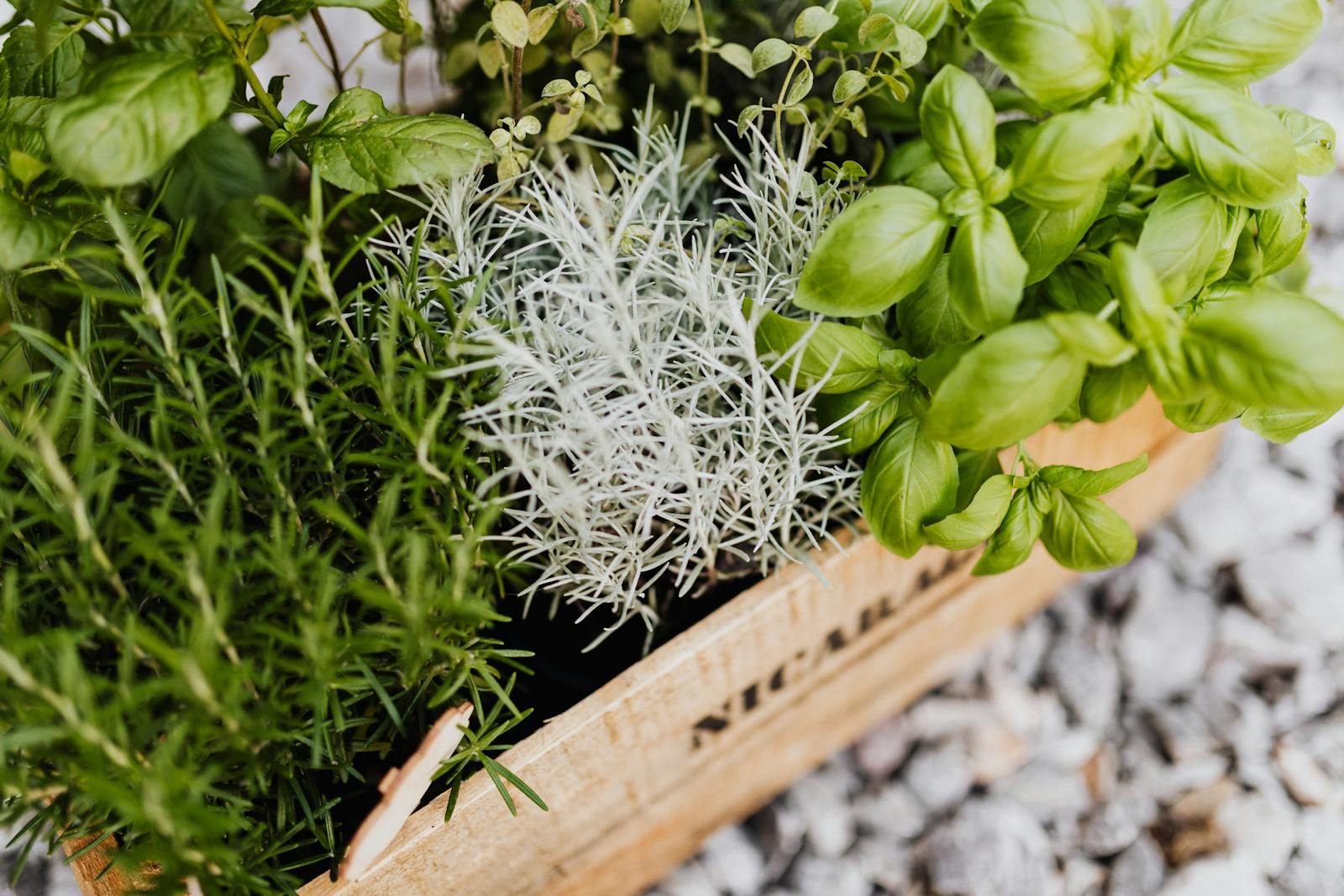
My closing ritual involves the balcony. I step out, check the herbs, pinch something if it needs it, come back in. Three minutes. That's the border between work-Jordan and evening-Jordan. I didn't design it. It designed itself after a year of failed attempts to "log off at 6."
7. A weekly check-in that isn't a check-in
Call your sister on the drive home from the farmers market. Text the group chat when you see the specific dog in the neighborhood. A standing Sunday phone call with a friend who also lives alone, where you mostly cook on speakerphone.
The counterargument worth taking serious is that solitude, past a certain threshold, becomes isolation. Research consistently distinguishes between the two: solitude is a state of autonomous connection to self, loneliness is the feeling of being alienated from others. The difference isn't how much time you spend alone. It's whether you have low-stakes tethers to other people that don't require scheduling a whole dinner.
A weekly call that happens while someone else is doing laundry isn't a ritual. It's a relationship. But it operates ritualistically, and people who live alone well have usually built at least one of these without thinking of it as a wellness practice.
Why none of this is self-care
Here's what I notice about the word itself. "Self-care" names an activity as compensatory, as something you're doing to make up for a deficit elsewhere. It frames the ritual as a treatment.
The people who've built sustainable solo lives don't frame any of this as treatment. They frame it as how Wednesday works. The oatmeal isn't self-care. It's breakfast. The walk isn't self-care. It's how you get to the post office. The call with your sister isn't self-care. It's your sister.
This framing matters for a structural reason worth naming. A $14 billion self-care industry has an economic incentive to convince you that well-being is a product you purchase and a performance you stage. The rituals that actually hold a solo life together are almost all free, almost all boring to describe, and almost entirely resistant to being marketed back to you. Behavioral researchers emphasize that lasting habits are built through small, repeated steps in consistent contexts, not through dramatic overhauls or aspirational routines. The solo-dwellers who love their lives have internalized this. They stopped optimizing and started repeating.
So here's the question worth sitting with. If you stripped away every ritual you currently perform for an audience — the morning routine you'd film if you had better lighting, the Sunday reset you mention on calls, the habits you've mentally filed under "things I'm working on" — what would actually remain?
If the honest answer is very little, that's the diagnosis. You haven't been building a life you like being alone in. You've been building one you like being watched in. Those are different projects, and only one of them holds up on a Tuesday when nobody's looking.