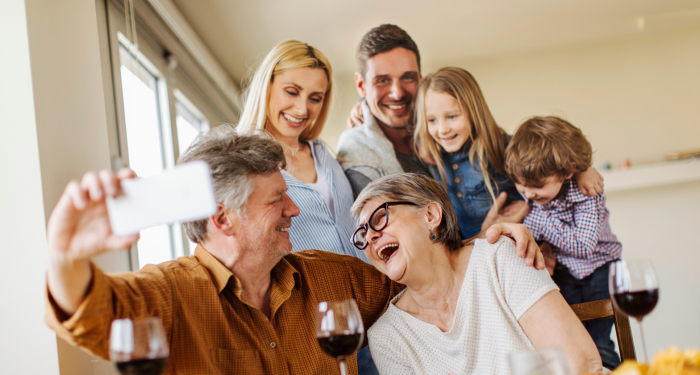
Twenty-three people ate at my table, and somehow I was the loneliest person in the room.
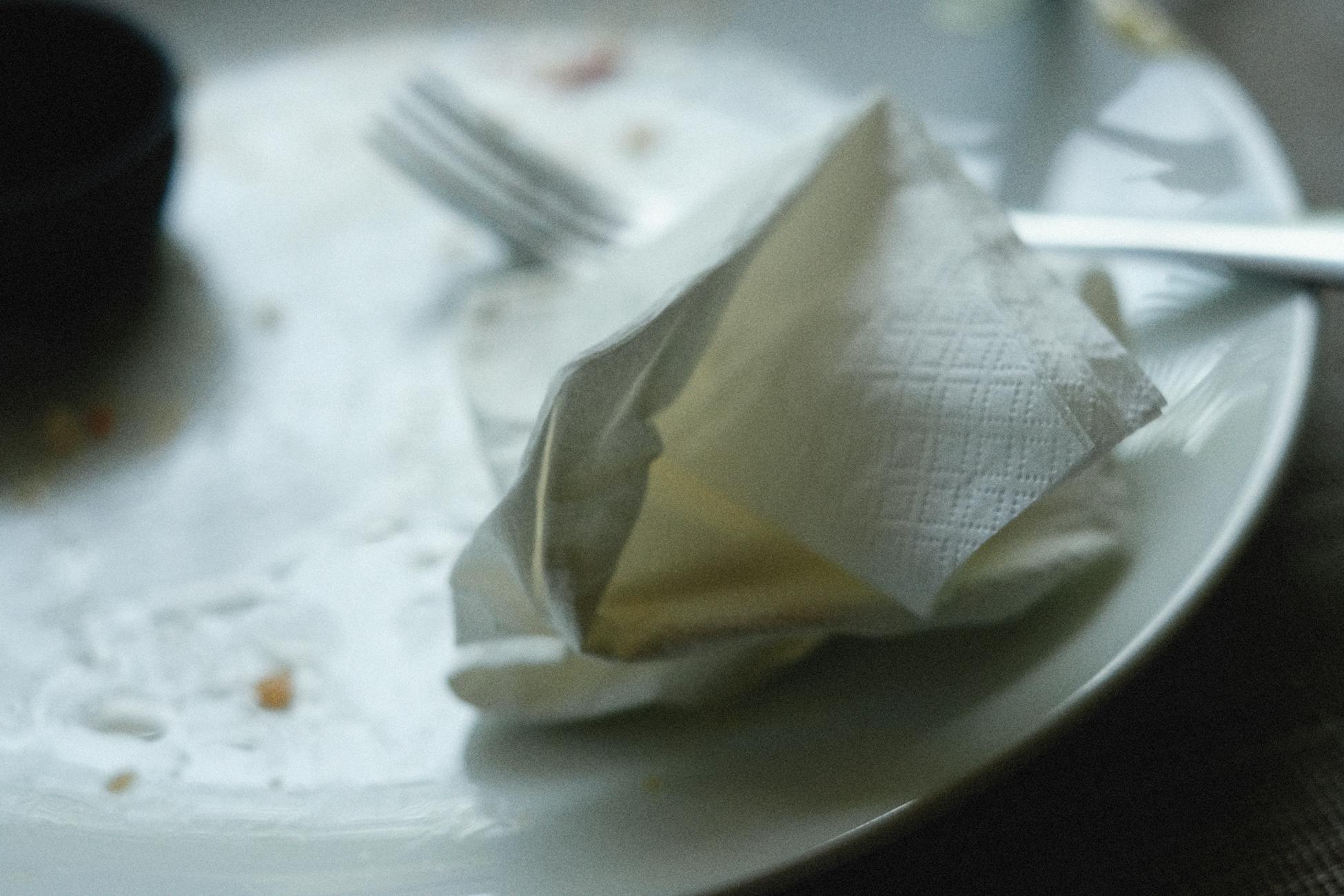
A house full of people is not the same as a life full of connection, and I learned that the hard way on November 27th last year, standing alone in my kitchen at 11:47 p.m., staring at a turkey carcass and a sink of wine glasses, realizing I had spent nine hours in constant motion and not one of those hours contained an actual exchange with another human being.
Twenty-three people. My children. Their partners. My late husband's brother and his new wife. Two neighbors who had nowhere else to go. A college friend of my daughter's who had just moved to town. Grandchildren ranging from four to seventeen. I had cooked for three days. I had ironed napkins. I had found the good silver.
And when the last car pulled out of the driveway, I climbed the stairs, sat on the edge of my bed, and wept. Not from exhaustion, though I was exhausted, but from something closer to grief. I had hosted the holiday. I had not been present at it. There is a difference, and most women my age know exactly what I mean.
The Myth of the Full Table
We are taught, especially those of us who came of age in the 1970s, that a woman's worth is measured in how many people she can feed at once. A full table is a full heart. A crowded kitchen is a life well-lived. My own mother hosted forty-two people one Christmas Eve in 1978, and I remember her at the end of the night, asleep upright in her armchair with her apron still on, and I remember thinking: that is what love looks like.
It took me until I was nearly seventy to understand that my mother was probably crying in the bathroom too.
The conventional wisdom says loneliness is a problem of the isolated. The widow in the apartment nobody visits, the shut-in whose groceries get delivered. What nobody talks about is the loneliness that visits you while you're pouring gravy for your son-in-law, while you're refilling the cheese board, while a four-year-old grandchild tugs your sleeve and asks where the juice boxes are. You can be the hub of twenty-three lives and not be known by any of them for a single minute of a nine-hour day.
The U.S. Surgeon General declared loneliness a public health crisis in 2023, and the researchers who study this keep finding the same counterintuitive thing: studies suggest that high-volume social interaction can actually deepen loneliness, not cure it. Being surrounded by people who need things from you is not connection. It is labor dressed up as belonging.
What I Remember, and What I Don't
Here is what I remember from Thanksgiving: the temperature of the oven, the exact moment the rolls began to burn, which grandchild spilled cranberry sauce on the tablecloth, the fact that my daughter Grace looked tired and I meant to ask her about it, the fact that my son Daniel's wife had cut her hair and I meant to tell her it suited her, the fact that the college friend, a young woman whose name I kept forgetting, sat quietly at the end of the table looking like someone with a story, and I meant to draw her out.
I meant to. I meant to. I meant to.
Here is what I do not remember: a single thing anyone said to me. Not one sentence. I have tried. I have sat with my coffee in the mornings since and tried to reconstruct even one real exchange, and what I come up with is a blur of requests. Grandma, can I have another roll? Mom, where do you keep the serving spoons? Aunt, do you have a charger? Mrs. M., the bathroom's out of hand towels. I was a function. I was not a person in that room.
The Research That Found Me Later
In the weeks after, I started reading, because reading is what I have always done when I cannot make sense of my own feelings. I discovered that psychologists distinguish between social contact and social connection, and the two are almost entirely unrelated. Research has shown that the quality of a single honest conversation predicts well-being far more reliably than the sheer quantity of people in your daily orbit.
I thought of all the Thanksgivings. Thirty-eight of them, if I counted the ones I hosted with my first husband before he left, and then the ones with my second husband before Parkinson's took him, and then the ones I hosted alone because I could not bear the thought of someone else doing it. Thirty-eight turkeys. Thirty-eight pumpkin pies. And if I am being honest — which at seventy I finally feel I have earned the right to be — I cannot recall more than a handful of actual meaningful conversations I had at any of them.
The positive psychologist Christopher Peterson once summarized his entire field in three words: other people matter. What he meant, I now understand, is not that other people should be present. It is that other people should be encountered. And encountering someone takes time, and stillness, and the willingness to stop pouring gravy.
The Conversation I Didn't Have
The one I think about most is with the young woman, Grace's friend. She had moved to town in September. She knew almost no one. My daughter had invited her because she didn't want her alone on the holiday, and I had set a place for her and asked her if she wanted white meat or dark and then I had not spoken to her again for the entire evening.
Later I learned from Grace that the young woman's mother had died in August. Three months before Thanksgiving. She had come to my table bereaved, and I, a woman who has buried two husbands and a mother, had not asked her a single question about her life. I had asked her about meat.
I think about this often. I think about how much I would have given, at twenty-six, for a woman of seventy to sit down next to me after my own mother died and ask me anything at all. And I think about the fact that I had been that woman, in that chair, with that opportunity, and I had spent the entire evening making sure the potatoes were hot.
What Changed the Following Spring
I told my family, in March, that I would not be hosting Thanksgiving this year. Or Christmas. Or Easter. Not out of anger, not out of protest. Simply because I could no longer bear to spend holidays as a ghost in my own house. The silence that followed that announcement is a story for another day, but what I want to say here is this: when I stopped hosting, I started connecting.
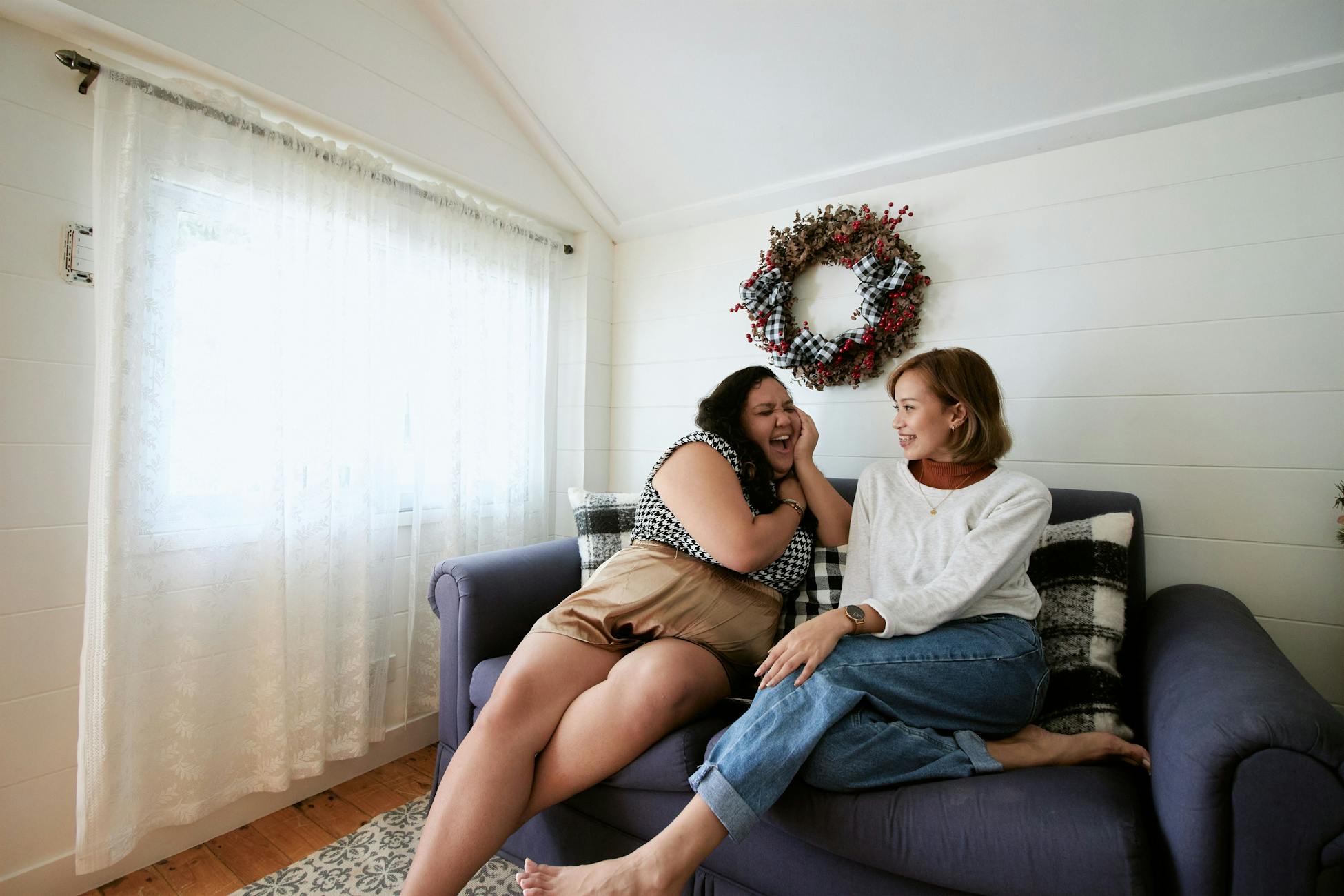
Grace invited me to her house for Easter, and because I was not cooking, I sat on the couch with her friend, the same young woman, for an hour and a half and learned about her mother, and her childhood in Oregon, and the small apartment where she still cannot bring herself to unpack the last two boxes. I cried. She cried. We were strangers in November. We are something else now.
What I Would Tell Any Woman Who Is Still Hosting
Smaller is not worse. Fewer is not failure. A table of six where you actually look at each person is a richer life than a table of twenty-three where you are a waitress in your own home. The young people know this already, in their way. Research on the thinning of social worlds has found that what matters most is depth of connection. And what I learned at seventy is that you can be surrounded by family and suffer from the same thinning. Numbers are not the cure. Attention is.
If you are reading this in early November, and you have already bought the turkey, and the spreadsheet of side dishes is on the refrigerator, and twenty-three people are coming: I am not telling you to cancel. I am telling you to pick one person. Just one. Before the meal, or during, or after. Sit down next to them. Ask them a real question. Do not get up for forty-five minutes. Let the rolls burn if they burn. The rolls do not remember you. The person will.
The Thing I Know Now
Here is the part I cannot shake, and the part I will not let myself off the hook for. I performed connection for thirty-eight years and called it love. My children grew up watching me do it. My grandchildren are watching now. The question that keeps me awake is not whether I failed one Thanksgiving. It is how many people sat at my table over four decades and left without being seen, and went on to set their own tables the same way, because that was the only kind of love I taught them.
So I will ask you what I have had to ask myself. Who at your table this year is grieving, and you do not know it? Who has been showing up for a decade hoping you would finally turn toward them? And when you are gone, what will the people you fed remember. The food, or the look on your face when you finally sat down? I am not sure I have earned the right to a tidy answer. I am not sure any of us have.