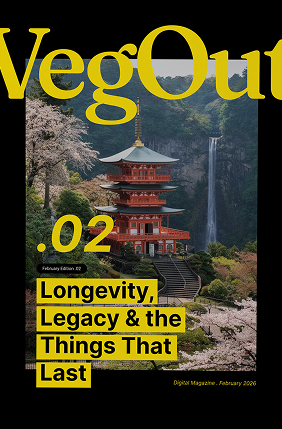
Longevity, Legacy & the Things That Last
What We Rebuild
At Ise Jingu, new principal sanctuaries are built on adjacent sites every twenty years using fresh timber and traditional joinery. The deity is transferred, the previous structures are dismantled, and design and craft knowledge continue.
That question runs through this entire issue. Nato Lagidze considers burnout through the metaphor of depleted soil, while Mal James examines how repair, durability and recycling shape what becomes waste. Roselle Inserto asks what a long-lived wardrobe looks like when maintenance replaces constant turnover. Different subjects, but the same underlying pattern: systems require attention, evidence and repeated work. The more honest question is not only how to fix what is broken, but what is worth building again.
This issue isn't about nostalgia for things that last forever. Nothing does — the shrine taught me that. It's about what happens when we stop asking "how do I make this permanent?" and start asking "what's worth rebuilding?" That shift changes everything. It's the difference between hoarding and tending, between clinging and caring. The shrine survives not because it resists change but because an entire community shows up, generation after generation, to do the work of renewal.
This is my first issue as editor of VegOut Magazine. I'm less interested in making a statement than in continuing a practice — one that started before me and will, I hope, outlast me too. If something here makes you pause or see a familiar problem differently, I'd love to hear about it. The empty plot is always waiting.
Correction (14 September 2026, updated 16 September 2026): This editor's note originally referred to a first-person recycling investigation in this issue. That article has been retracted: it reproduced reporting by CBS 8 San Diego without adequate attribution, its first-person account could not be substantiated, and it was published under a contributor byline, Jordan Cooper, that did not identify a real person. The references to it were removed from this note. The note's description of the Ise Jingu reconstruction sequence was also corrected.
6 features
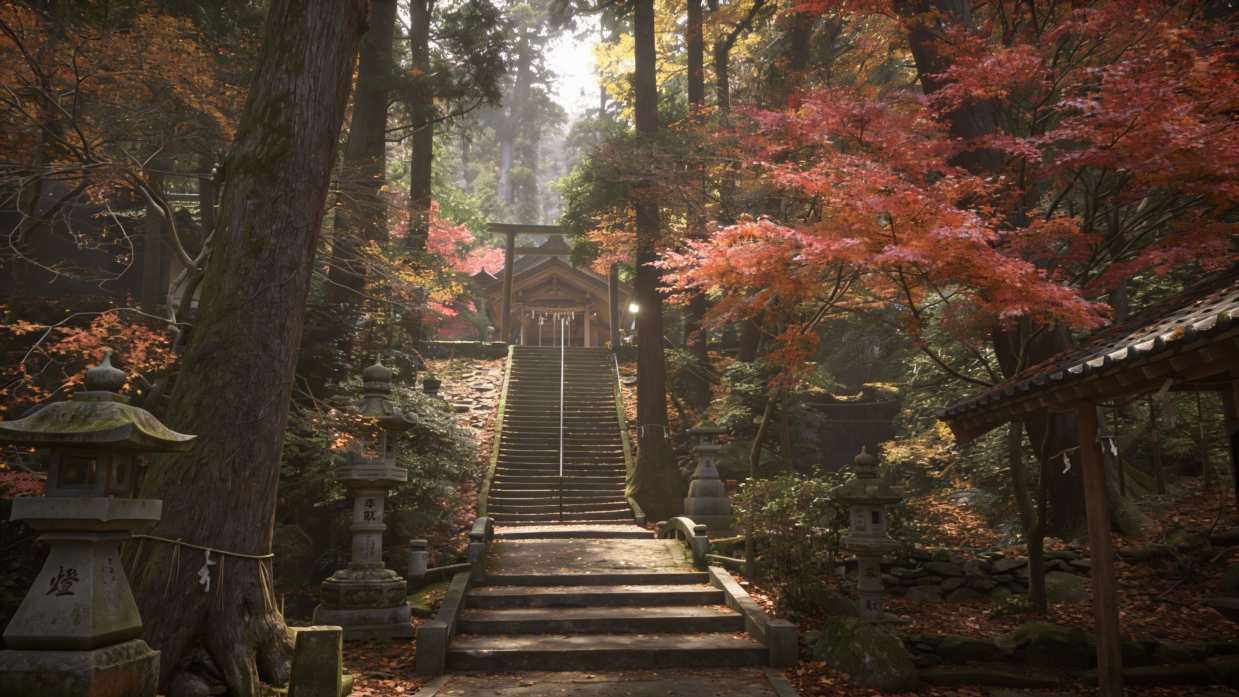
The Shrine That Gets Rebuilt Every 20 Years
The Outer Shrine at Ise is dedicated to Toyouke, the goddess of food. According to mythology, Emperor Yuryaku received a dream visitation from Amaterasu, who complains she can't obtain enough food. She asks him to summon Toyouke from Tanba Province. The Outer Shrine was established five centuries after the Inner Shrine, specifically so one goddess could feed another.
-
 Lifestyle & Opinion
We Don't Have a Consumption Problem
My mom was recently doing a spring clean, and while I was helping out, I spotted an old pair of Levi's tucked away in my parents' wardrobe. They…
-
 Health & Wellness
Burnout Is an Environmental Crisis
Right now, as you read this, something is being extracted. Not oil. Not timber. Not lithium. You. Your attention. Your patience. Your capacity to care. Your ability to…
-
 Fashion & Beauty
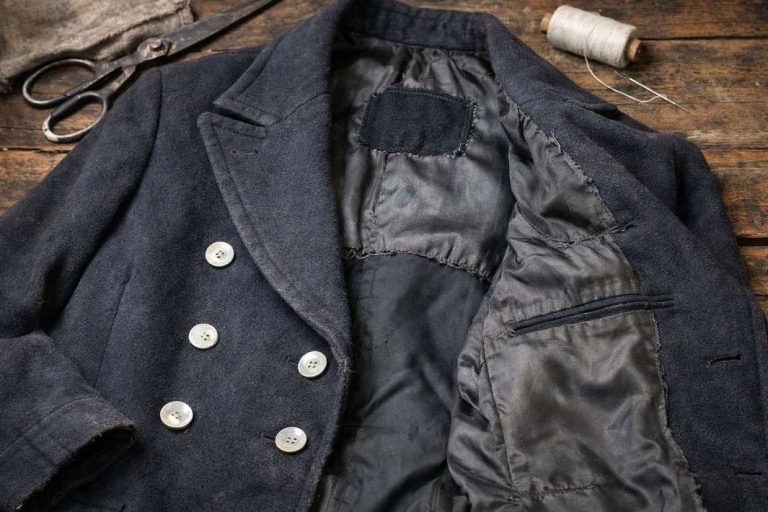
The 10-Year Wardrobe: What Your Closet Looks Like When You Stop Chasing Trends
My grandmother kept a wool coat for forty years. It was navy, double-breasted, with mother-of-pearl buttons she replaced twice. She had it tailored three times as her body…
-
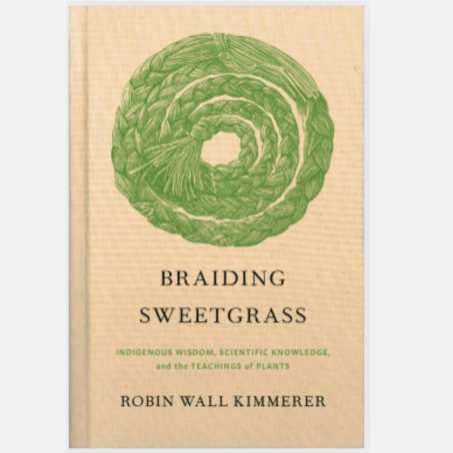 Top 5
Top 5Top 5 This Month
-
 Recipes
Seasonal Recipes — February
My Signature Guacamole
Unlock the February Issue
Get the full designed PDF sent straight to your inbox — free, forever.
- 5 in-depth articles
- Insights across Lifestyle, Wellness, Sustainability & Beauty
- Our Editor's Monthly Picks
- 4 exclusive Vegan Recipes