
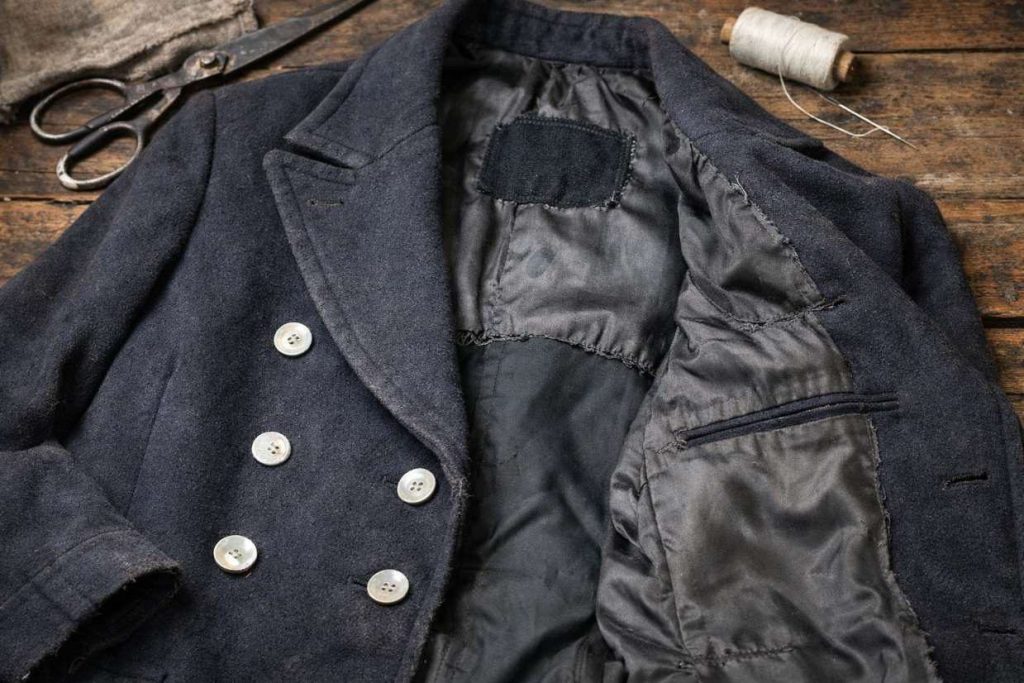
The coat outlasted trends, presidential administrations, and most of her other possessions. When she finally donated it, the fabric was still intact.
That kind of relationship with clothing can feel rare. An European Environment Agency briefing cites estimates that the use time of clothes fell by 36 percent over two decades and that a garment is used an average of seven or eight times. Those global modelling estimates vary by study and do not describe every garment or wardrobe, but they capture the pressure created by rapid production and short use.
The broader evidence still supports keeping clothing in use longer. Textile waste is substantial, yet estimates differ by scope and data source, and there is no basis here for saying most clothes reach landfill within one year. Extending use, repairing damage and recirculating unwanted garments can reduce demand for new production and delay disposal.
Building a wardrobe that lasts a decade requires intention, but the payoff goes beyond reducing waste. There's real satisfaction in wearing something for years and finding it still holds up. There's clarity in owning fewer things that work harder. And there's freedom in stepping off the treadmill of constant consumption.
Before you buy: The 10-year question
The next time you're considering a purchase, whether you're browsing online or standing in a fitting room, pause and ask yourself a few questions:
Will I reach for this in year five? Can I imagine three completely different outfits with this piece? Does this solve a real gap in my wardrobe, or am I trying to fill a feeling? These questions cut through the noise of marketing and trend cycles. They help you distinguish between genuine need and the impulse to acquire something new.
A $200 pair of pants worn twice a week for ten years costs about 19 cents per wear. A $40 pair worn ten times before falling apart costs $4 per wear. The math favours intention over impulse every time.
Cost per wear is a useful calculation, but the real filter is simpler: Can you see yourself repairing this item? If a button falls off or a seam splits, will you take the time to fix it? If the answer is no, that tells you something about how much you actually value the piece.
The clothes that last are the ones we care enough about to maintain. This is a question that really proved helpful when I was starting to build my own sustainable wardrobe.
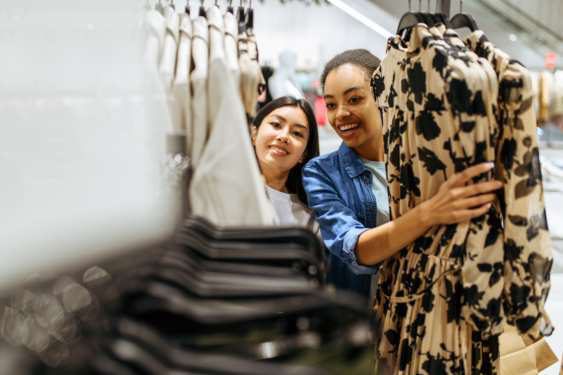
I've also learned to give myself permission to pass on trends that don't resonate with my actual life. You don't have to participate in every fashion moment. The goal is to build a wardrobe that reflects who you are — which means saying no to things that don't fit that vision, even when they're on sale or everyone else seems to be wearing them.
Shift your mindset: From seasonal to foundational
New things can feel rewarding, and acquiring something may provide a temporary lift. That does not reduce every purchase to a single dopamine response.
The fashion industry knows this and designs entire business models around it. Sales create urgency, and trends create a fear of missing out. Social media shows us endless variations of what we could be wearing instead of being creative with what we already own.
Reframe how you think about your wardrobe. Think of it as infrastructure rather than decoration. Your clothes are the foundation that supports how you move through the world. They should be reliable, versatile, and built to last. This shift in perspective changes what you look for when you shop.
It might sound ironic, but spending more upfront often saves money in the long run. A well-made coat that lasts fifteen years is cheaper than replacing a poorly made one every two years.
However, "investment piece" has become meaningless marketing language. What it should mean is this: a garment you've chosen with intention, that fills a specific role in your wardrobe, and that you're committed to maintaining. Price alone doesn't make something an investment. Your relationship to the item does.
The three pillars of longevity
When you're building a wardrobe that will last a decade, three factors matter most: quality, versatility, and repairability.
Quality markers are easily visible if you know what to look for. Check the seams — are they finished cleanly, or are there loose threads and raw edges? Look at how buttons are attached. Are they sewn with a shank, giving them room to move, or are they flat against the fabric where they'll create stress points? Examine zippers and hardware. Metal lasts longer than plastic. Weight matters too. Hold the garment and feel its heft. Substantial fabric wears better than something thin and flimsy.
Versatility is the test of whether you'll actually wear something for years. The clothes that earn their space in a long-term wardrobe are the ones that work across seasons and contexts.
A well-cut jacket in a neutral tone can go from casual to formal. A good pair of pants can handle both weekday and weekend wear. The pieces that last are the ones that can shift with your life as it changes.
Repairability is often overlooked, but it matters more than almost anything else. Can you replace a button? Can a tailor let out a seam or take in a waist? Can you patch a hole without ruining the garment's structure?
Visible mending has become a design feature in its own right. A Japanese boro patch or a line of contrasting stitching adds character. It tells the story of a garment that's been worn and cared for. If something can't be repaired, it can't last a decade. Simple as that.
Building your core
Start with your actual lifestyle — the one you live right now. Not the version of yourself that goes to gallery openings every weekend or hikes every Sunday. The person who shows up to work, runs errands, sees friends, and occasionally gets dressed up for something special.
What do you do most days? What do you need your clothes to handle? Build from there. A foundational wardrobe includes pieces that work hard across multiple contexts. The specifics will vary based on your life, but some universals hold: well-fitting pants in a neutral tone, a few tops that layer easily, a coat that works across seasons, a jacket that bridges casual and formal, and shoes that are comfortable enough for all-day wear.
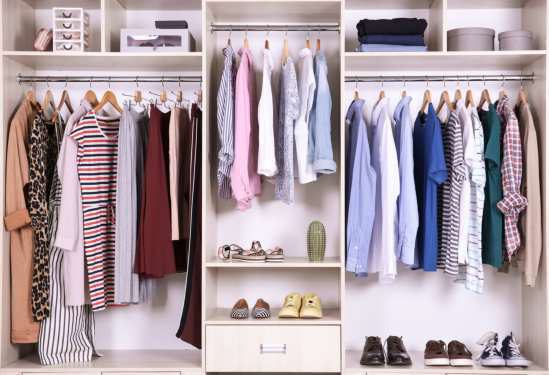
In my experience, linen button-downs are workhorses. They soften with age, they're breathable, and they look equally good tucked or untucked. A hemp-blend sweater will outlast most synthetics and get better with time. Organic cotton denim, if you treat it well, can last a decade or more.
Some brands are building their collections around this philosophy. Patagonia has built its reputation not just on quality fabrics but on a commitment to making clothes you can fix rather than replace, with transparent supply chains to back it up. And companies like Pact offer accessible everyday basics in organic cotton that hold up to constant wear without the premium price tag.
Identify your gaps versus your impulses. A gap is something your wardrobe genuinely lacks — maybe you need a winter coat, or you don't have a single pair of pants that fit well. An impulse is wanting another black t-shirt when you already have four that you love. Be honest about the difference.
The long game: Care and repair
Maintenance extends the life of your clothes more than any other factor. I know it sounds unglamorous compared to the thrill of buying something new, but the truth is that how you treat your clothes determines whether they last two years or twenty.
Most of us were never taught these skills. We grew up in an era when clothing was cheap enough to replace rather than repair. But learning to care for what you own changes your entire relationship with your wardrobe. It transforms clothes from disposable commodities into valued possessions.
Wash less often. Most garments don't need to be washed after every wear. Spot clean when you can. Air out pieces between wears. When you do wash, use cold water and hang or lay flat to dry. Heat breaks down fibres faster than anything else.
Store clothes properly. Fold heavy knits instead of hanging them. Use padded hangers for structured pieces. Keep things out of direct sunlight, which fades fabric. At the end of each season, clean everything before putting it away — moths and other pests are attracted to oils and dirt.
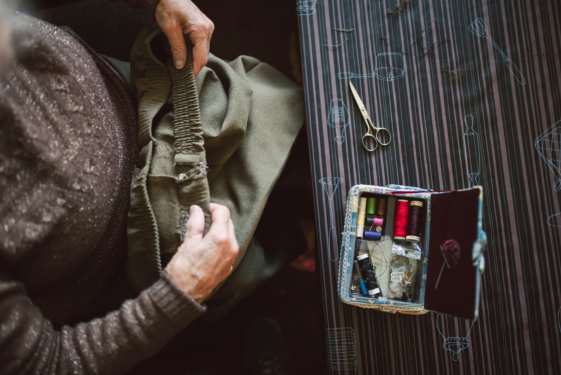
Learn basic repairs. Sewing on a button takes five minutes. Hemming pants with fabric tape requires no sewing skills at all. Hand-stitching a small tear is simpler than you think. There are countless tutorials online, and most repairs are more forgiving than you'd expect.
When something needs more than you can handle, find a good tailor. Alterations breathe new life into pieces that no longer fit quite right. Taking in a waist, shortening sleeves, or tapering a leg transforms a garment you've stopped wearing into one you reach for constantly. Local tailors and mending services are worth seeking out. They're investments in the longevity of everything you own.
The quiet payoff
I've been that person who tosses things I could have saved if I'd known better, if I'd cared enough to try. I know how hard it is to resist the temptation of buying something just because it's new and attractive and on trend.
But once you've learned just how great a toll fast fashion takes, it does make the road easier. Slowly, almost without noticing, something changes. You stop feeling that pull toward newness quite so intensely.
You walk past a store window and think "nice, but I already have something similar" instead of inventing reasons why you need it. What replaces that urge is something steadier. A kind of satisfaction that doesn't come from acquisition, but from knowing what you own and why you own it. From reaching into your closet and trusting that whatever you pull out will work — because you've already done the hard work of choosing thoughtfully.
Building a wardrobe that lasts isn't really about the clothes at all. It's about developing the ability to recognise what's enough. To see past the marketing, the artificial urgency, the manufactured desire for more. A wardrobe that lasts a decade becomes a form of quiet resistance — a way of insisting that what you already have is enough in a world that tells you you don't.
Material Education
Your guide to choosing fabrics that last a decade and understanding what quality really looks like
Plant-based fibers that last
- ORGANIC COTTON — The reliable workhorse. Breathable, soft, and gets better with age when properly cared for.
- Softens with each wash
- Highly breathable
- Easy to care for and repair
- Durable when high quality
- Versatile across seasons
- LINEN — The heirloom fabric. Known for lasting generations when properly maintained. Gets softer and more comfortable over time.
- Extremely durable
- Naturally moisture-wicking
- Becomes softer with wear
- Resists pilling
- Timeless aesthetic
- HEMP — The resilient choice. One of the strongest natural fibers, resistant to mold and UV damage.
- Incredibly strong fiber
- Softens without weakening
- Naturally antimicrobial
- Holds shape well
- Low environmental impact
- TENCEL (LYOCELL) — The sustainable innovator. Made from wood pulp, combines the best of natural and engineered fibers.
- Silky smooth feel
- Resists wrinkles
- Excellent drape
- Moisture management
- Biodegradable
Quality inspection checklist
- ✓ Clean seam finishes — Seams should be finished with serging or French seams, not raw edges that will fray.
- ✗ Loose threads — Visible loose threads or unfinished edges indicate poor construction that won't hold up.
- ✓ Buttons with shanks — Buttons sewn with a thread shank have room to move, reducing stress on the fabric.
- ✗ Flat button attachment — Buttons sewn flat against fabric create stress points that cause buttons to pop off easily.
- ✓ Metal hardware — Zippers, snaps, and clasps made from metal outlast plastic alternatives significantly.
- ✗ Plastic hardware — Plastic zippers break, plastic snaps crack. They're a sign of corners being cut.
- ✓ Substantial weight — Fabric should have heft. Hold it up and feel its weight. Thin, flimsy fabric won't last.
- ✗ Paper-thin fabric — If you can see through it easily or it feels insubstantial, it won't survive regular wear.
- ✓ Natural fiber content — Look for high percentages of cotton, linen, hemp, wool, or Tencel on the label.
- ✗ High polyester content — Cheap polyester pills quickly, doesn't breathe, and is difficult to repair when damaged.
Red Flags
These signs indicate a garment won't last, no matter how attractive the price or style
- Bonded seams — Glued rather than sewn seams fall apart quickly and can't be repaired.
- Ultra-fast fashion brands — Brands with weekly drops prioritize speed over quality.
- Suspiciously low prices — Quality materials and ethical labor cost money. If it seems too cheap, it is.
- No care label — Missing care instructions suggest the manufacturer doesn't expect you to keep it long.
- Trendy details everywhere — Excessive embellishments date quickly and make repair difficult.
- Pilling before purchase — If fabric is already pilling on the hanger, imagine it after a few wears.
Correction (14 September 2026): Textile-use and waste claims were qualified; the article no longer says most garments reach landfill within one year.