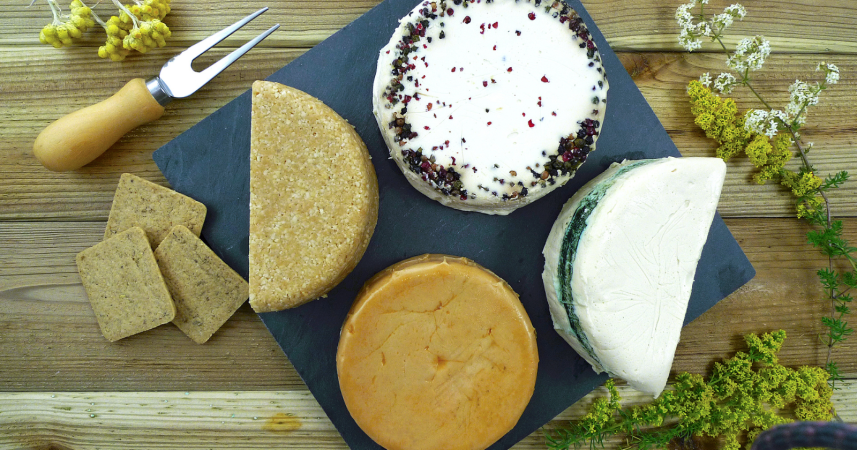
After five years of trying every vegan cheese I could find, I gathered my favorites for a blind taste test that surprised even me.
When I first went vegan at 35, cheese was my biggest worry. I'd spent decades enjoying sharp cheddars, creamy bries, and tangy goat cheese on everything from crackers to pasta.
The thought of giving it up felt like losing a friend. But here's what I've learned after five years of experimenting: vegan cheese has come remarkably far, and some options now rival their dairy counterparts in ways I never expected.
Last month, I invited Marcus and a few friends over for a blind taste test. We sampled fifteen different vegan cheeses across categories, rating them on flavor, texture, meltability, and that hard-to-define quality I call "would I actually buy this again?"
Here are the results, ranked by how they performed when nobody knew what they were eating.
Miyoko's Creamery Classic Chive
This one took the top spot unanimously. Made from cashews and cultured like traditional cheese, Miyoko's delivers a tanginess that genuinely surprised our non-vegan tasters. The texture spreads beautifully on crusty bread, and the chive flavor feels sophisticated without being overpowering.
What makes it work: real fermentation. Miyoko's uses traditional cheesemaking techniques with plant-based ingredients, which creates depth you simply don't get from starches and oils alone. It's pricier than some options, but for a cheese board or special occasion, it earns every penny.
Violife Epic Mature Cheddar
For everyday slicing and melting, Violife's mature cheddar came out on top. It has that sharp, slightly nutty flavor that works on sandwiches, burgers, and even just eaten in cubes while standing at the fridge (no judgment here).
The melt factor impressed us most. It gets gooey and stretchy under the broiler, making it ideal for quesadillas or grilled cheese. Coconut oil gives it that satisfying richness, and the flavor holds up when heated rather than turning bland or plasticky.
Kite Hill Ricotta
If you miss lasagna or stuffed shells, Kite Hill's almond-based ricotta will change your life. It's light, slightly sweet, and has that grainy texture that makes ricotta so perfect for Italian dishes.
I've used it in everything from baked ziti to lemon ricotta pancakes. It also works beautifully on toast with honey and fresh figs. The ingredient list is refreshingly short: almonds, water, salt, and cultures. Sometimes the simplest approach wins.
Follow Your Heart Smoked Gouda
This one sparked debate at our tasting. Some loved the pronounced smokiness; others found it a bit much. I fall firmly in the love-it camp. The smoky depth adds complexity to mac and cheese, and it melts into a wonderfully creamy consistency.
Try it sliced thin on apple slices or paired with grainy mustard on a pretzel. The smoke flavor means a little goes a long way, which actually makes it economical despite the higher price point.
Treeline Classic Aged Nut Cheese
Treeline creates their cheeses through actual aging, and you can taste the difference. Their classic variety has a firm texture that slices cleanly and a complex, slightly sharp flavor that develops on your palate.
This is the cheese I bring to parties when I want to convert skeptics. It holds its own on a cheese board next to olives, nuts, and good crackers. The cashew base provides creaminess while the aging process adds that fermented depth we associate with "real" cheese.
Daiya Cutting Board Mozzarella
For pizza specifically, Daiya's cutting board collection outperformed fancier options. It melts into that stretchy, bubbly layer we all want on homemade pizza, and the flavor stays neutral enough to let toppings shine.
I'll be honest: Daiya's original shreds left me disappointed years ago. But their cutting board line represents a significant improvement. It browns nicely under high heat and doesn't separate into oily pools like some alternatives.
Boursin Dairy-Free Garlic and Herbs
When a mainstream brand enters the vegan space, I approach with skepticism. But Boursin nailed it. This spreadable cheese tastes almost identical to the dairy version I remember from pre-vegan dinner parties.
The garlic and herb blend works perfectly on bagels, stirred into hot pasta, or as a dip for vegetables. It's widely available at regular grocery stores, which matters when you're not near specialty shops.
Final thoughts
What struck me most about our taste test was how far vegan cheese has evolved. Five years ago, I would have told you to just skip the cheese substitutes and embrace a cheese-free life. Today, I genuinely enjoy these products on their own merits.
The key is matching the right cheese to the right purpose. Miyoko's for entertaining, Violife for sandwiches, Kite Hill for cooking, Daiya for pizza. When you stop expecting vegan cheese to be exactly like dairy and start appreciating what it does well, the whole experience shifts.
What cheese are you most curious to try?