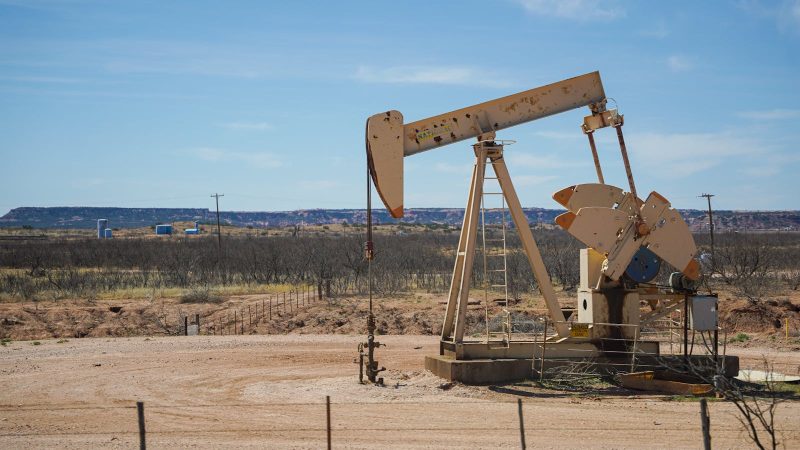
Inside Climate News reports on the Well Done Foundation's effort to plug a fraction of the 3.7 million abandoned oil and gas wells leaking methane and contaminating water across the U.S., as bonding rules face rollback.
About 4.6 million Americans wake up every morning within a half-mile of an abandoned oil or gas well. That well might be leaking methane into their air, seeping contaminants toward their water, or quietly degrading the ecosystem in their backyard. Most of them don't know it's there. And almost none of the companies that drilled those holes are coming back to clean them up. A small Montana-based nonprofit, the Well Done Foundation, is trying to plug them one at a time, as reported by Inside Climate News.
The conventional industry line is that idle wells are mostly harmless until a responsible operator decides what to do with them. The reporting tells a different story. Many of these wells were never sealed properly, and a meaningful share were deliberately walked away from to dodge cleanup costs.
A 2023 peer-reviewed study led by McGill University civil engineer Mary Kang put the human exposure number on the map: roughly 13 percent of Americans, about 4.6 million people, live within about a half-mile of one of these wells. The study warned the wells can contaminate water supplies, degrade ecosystems, and emit methane and other air pollutants. That is the population the Well Done Foundation is, in effect, working for — one plugged well at a time.
The scale of what they're up against is staggering. According to Inside Climate News, the Environmental Protection Agency estimated in 2023 that around 3.7 million abandoned and orphaned oil and gas wells exist in the U.S., out of roughly 4 to 5 million drilled since 1859. The EPA says 58 percent of the abandoned wells it has logged are not plugged at all. The federal Orphaned Wells Program has documented 141,000 orphaned wells nationally and estimates somewhere between 250,000 and 740,000 more are out there, unaccounted for.
How did so many holes end up as somebody else's problem? Inside Climate News has reported on a culture in parts of the industry where companies abandon wells without proper oversight or maintenance. In December, the New Mexico attorney general sued three Texas oilmen, accusing them of selling more than 500 unproductive wells to shell companies set up specifically to declare bankruptcy and shed remediation costs. That tactic, the report notes, is not an outlier. It is a business model.
That is the vacuum the Well Done Foundation stepped into. Chairman Curtis Shuck told Inside Climate News that while the basic process of plugging wells involves cementing, the actual work on the ground is far messier than that simple description suggests. His crews have pulled rocks, debris, and even a cannonball out of wells that were supposedly sealed decades ago — each one a small archaeological reminder of how casually these sites were walked away from. The foundation funds its work through grants and subcontractors, including a $19.3 million U.S. Fish and Wildlife Service grant awarded in December 2024 to plug 111 orphaned well sites across at least five national wildlife refuges.
For readers who think about climate and conscious living in terms of food choices and recycling bins, this is a reminder that the biggest environmental ledger items are often invisible. AOOG wells ranked fifth among nine methane emitters in the U.S. energy sector in the EPA's 2024 greenhouse gas inventory. The system that produced this mess — weak bonding rules, bankruptcy loopholes, and a regulatory backlog stretching to the 1800s — is the same system that decides who pays to clean it up. Right now, a Montana nonprofit and a cannonball-fishing crew are doing more for those 4.6 million neighbors than the companies that profited from the drilling ever did.