

The IRS approved a $370 million 'alternative fuel' tax credit to Cheniere Energy for burning boil-off gas in its LNG vessels — a practice critics say is neither alternative nor low-carbon. Seven Senate Democrats are now investigating.
When boil-off gas, a physical inevitability of LNG shipping, qualifies as "alternative fuel," the subsidy stops nudging behavior and starts handing money to companies for what they were already going to do.
That is the question now hanging over a $370 million IRS payout to Cheniere Energy, the largest U.S. exporter of liquefied natural gas, after seven Senate Democrats launched a probe into whether the credit was properly granted.
The conventional read on alternative fuel credits is that they reward operators for choosing something cleaner than the default. The Cheniere case scrambles that logic.
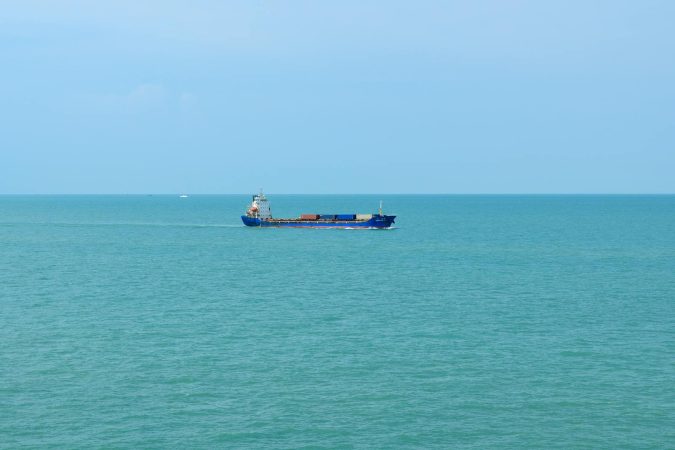
LNG carriers are designed to run on the gas that naturally boils off from their cargo tanks during transit. That boil-off gas is not a fuel choice the company is making in place of something dirtier. It is a built-in feature of how the ships work. Burning it for propulsion is closer to using cargo loss than switching to a genuinely new fuel source.
According to reporting by Phil McKenna and Peter Aldhous at Inside Climate News, LNG vessels are built specifically to use gas that boils off from their tanks, and shipping experts questioned whether that could reasonably be treated as an "alternative" fuel. The outlet reported that the practice provides little climate benefit over fueling the vessels with diesel and that tax specialists said the credit was being used in a way the original legislation never contemplated.
The $370 million figure was disclosed after Cheniere reported in its 2025 annual financial filing that its use of LNG as transport fuel allowed it to claim federal alternative fuel excise tax credits for the period from 2018 through 2024. In an earlier investigation, Inside Climate News had estimated that the potential windfall could exceed $140 million. The outlet later reported that Cheniere had received $370 million from the IRS in the first quarter of 2026.
The Senate probe is now examining whether the credit was properly granted and whether the underlying statute needs tightening. In an April 2026 letter, Sen. Ron Wyden asked the Treasury Department and IRS to explain how the $370 million credit was calculated, whether LNG carriers were treated as "motorboats" for purposes of the tax credit, and whether the ships loaded fuel they otherwise would not have loaded solely to power the vessels.
That "motorboat" question is not a throwaway detail. The tax credit Cheniere claimed is tied to alternative fuel use in motorboats, while federal regulations define a motorboat as a vessel 65 feet in length or less. LNG carriers are typically closer to 1,000 feet long, according to the Senate Finance Committee letter.
This is where the Cheniere case becomes bigger than one company. If a fuel that is already part of normal operations can be reclassified as "alternative," the policy signal changes. The credit no longer rewards a cleaner choice. It rewards a legal interpretation.
The same tension appears across climate and consumer policy: labels can move faster than substance. A term like "alternative fuel" sounds clean and forward-looking, but its real-world meaning depends on the details of the law, the enforcement posture of regulators, and the creativity of companies seeking a benefit.
The Cheniere precedent could invite more aggressive claims from other industries that burn byproducts, waste gases, or fuels already embedded in normal operations. That does not mean every similar claim would succeed. It does mean the IRS decision gives companies and tax advisers a fresh example to study.
For readers tracking the energy transition, the Cheniere story is a useful reminder that the fight over climate progress is not only happening in legislatures and boardrooms. A lot of it is happening in the fine print, and the fine print is where hundreds of millions of dollars in public money can quietly change hands.