The bench was never about the dog. It took losing him to understand what I'd been walking past for six years.
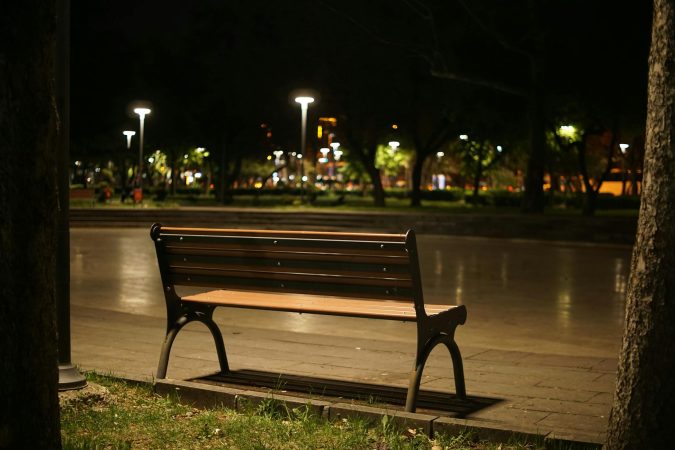
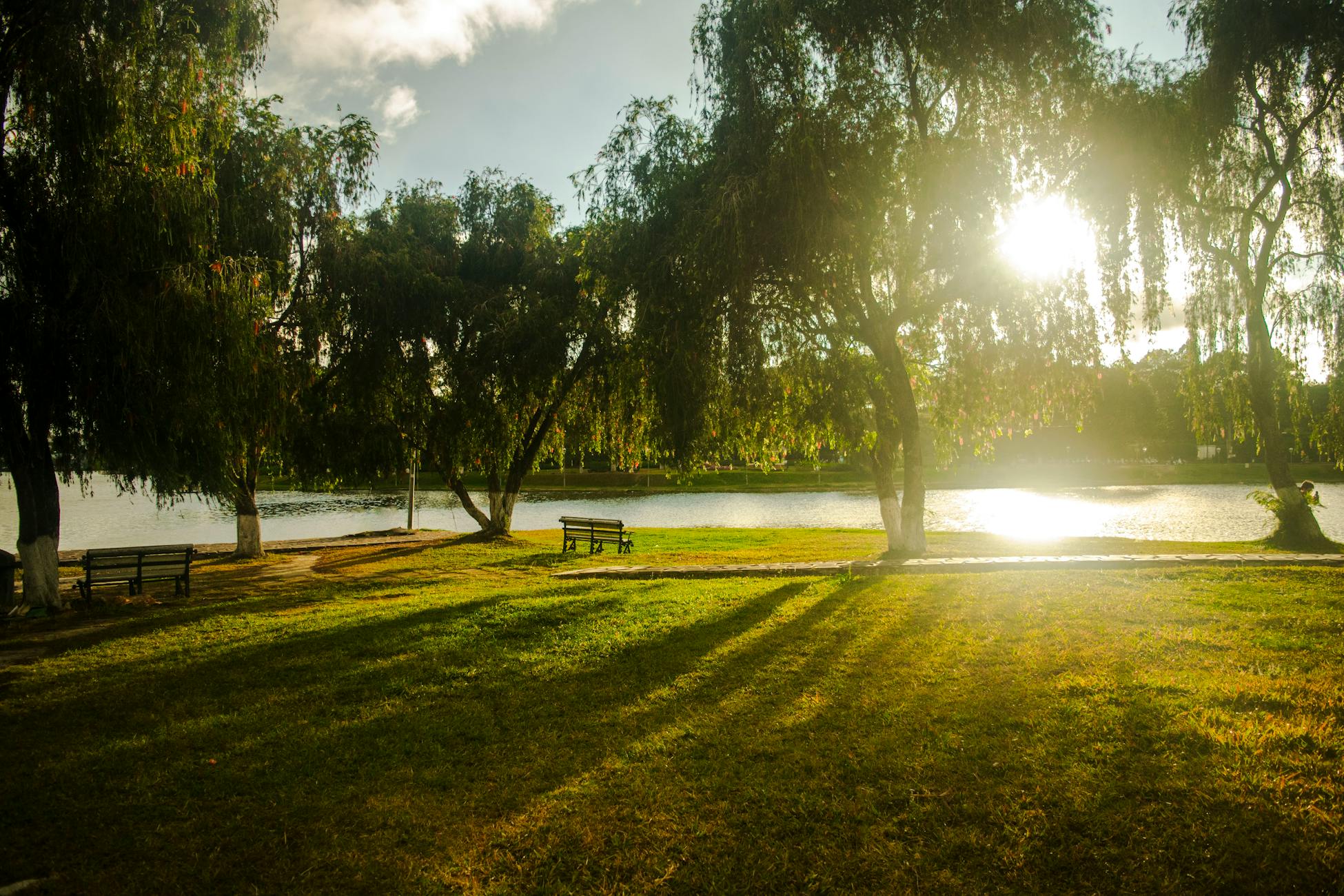
The bench was green, splintered at one end, tucked under a pepper tree at the curve of the path where the houses ended and the canal started. I walked past it every morning for six years with Benji on his fraying leash, and I never once sat down. Not when my knees ached. Not when the rain started. Not even the morning after my mother called to say the biopsy was benign and I felt so light I thought I might float off the sidewalk. I walked past it like it was furniture in someone else's house.
The morning after Benji died, I sat on it for an hour and cried about everything that had nothing to do with him.
Most people will tell you that losing a pet opens a door to grief about the pet. That the tears are for the missing weight on the couch, the food bowl you can't bring yourself to wash, the way the house sounds different at 6 a.m. when no one is clicking across the floor to remind you about breakfast. That's the story we're handed, and it's true enough that nobody examines it. But it isn't the whole story, and I think pretending it is does a disservice to the thing grief actually does when it finally has permission to move.
The bench was a boundary I didn't know I'd built
For six years I had a reason to be outside at 6:15 a.m. I had a destination that wasn't about me. I had a creature who needed the walk more than I did, which meant I never had to ask myself whether I needed it. The walk was his. The morning was his. The bench, by extension, was something I walked past on his behalf, because stopping would have meant the walk was mine, and if the walk was mine, then I'd have to figure out what I was doing with it.
That sounds like overthinking a piece of park furniture. I know. But sit with it for a second. How many of the structures we build around another being, a pet, a partner, a parent who needs checking on, are actually scaffolding for the feelings we're not ready to have alone? The leash wasn't just a leash. It was a reason to keep moving.
I read something once in a piece on pet loss grief that stuck with me: the grief isn't proportional to the size of the animal, it's proportional to the size of the role the animal played in your daily architecture. Benji was eleven pounds. The role he played was structural.
Remove the structure and the walls come down.
What actually came up when I sat down
Here's what I cried about, in the order it arrived, because I remember it the way you remember a dream you wake up inside of.
I cried about my father, who has been gone eleven years, and who I had somehow decided I was finished grieving because I'd stopped bringing him up at dinner parties. I cried about a friendship that ended in 2019 over a misunderstanding neither of us had the courage to name, and which I had filed under adult life, these things happen so efficiently that I'd forgotten it still hurt. I cried about the version of myself that existed in my late twenties, who believed she was going to write a novel, and who I had replaced with someone more practical without asking her permission first. I cried about the fact that I'd stopped calling my sister after our last fight and had let six months pass, telling myself she should call first, knowing she was telling herself the same thing.
None of this was about the dog. The dog was the key. The grief was the room the key opened.
Psychologists have a name for what was happening
There's a body of research on grief and how unprocessed losses accumulate. The phenomenon where one fresh loss unlocks the unprocessed sediment of every loss that came before it. A piece in Psychology Today on how emotional neglect interferes with grief explores how grief compounds over time when we don't allow ourselves to fully process it. What I'd done for most of my adult life was build a seawall. I'd simply refused to let any wave reach me without permission.
Benji's death didn't breach the wall. It dissolved it. A fresh grief you've given yourself full permission to feel, because nobody questions a person crying over a dog, creates a kind of emotional amnesty. Everything that had been waiting got waved through at once.
Researchers studying the physical effects of grief have found that the body doesn't actually distinguish well between types of loss. Grief registers as inflammation, as disrupted sleep, as a literal ache in the chest. When you suppress it for one loss, the body doesn't neatly file it away. It stores it, waiting for an opening. The next legitimate sadness becomes a doorway for all of them.
A grief counselor writing about pet loss described something I keep returning to: the intensity of grief we feel isn't always about the specific loss in front of us, but about all the losses we've finally given ourselves permission to feel.
Why the bench specifically
Place matters in grief in a way that I don't think we talk about enough. There's research on place attachment and healing environments showing that specific spatial contexts can either suppress or unlock emotional expression depending on what we've associated with them. A bench you've walked past a thousand times without stopping accumulates a particular kind of charge. It becomes, without your consent, a shrine to all the times you didn't stop.
Sitting on it for the first time felt like trespassing on my own life.
The pepper tree was dropping its little pink berries. A woman I vaguely recognized walked by with a schnauzer and gave me the nod you give strangers who are crying in public, the one that says I see you, I won't make it weird. The canal smelled like it always smelled. Low tide, eucalyptus, somebody's morning coffee drifting from a balcony. Nothing had changed except that I was sitting still inside of it, and everything I'd been walking past for six years came up at once because I had finally given it a place to land.

The thing about low-maintenance grief
I come from a family that prides itself on being low-maintenance. We don't make a fuss. We don't fall apart at weddings or funerals. We send practical gifts and short, warm texts, and we move forward. I used to think this was strength. I've since come to understand it as a coping style with real costs.
Some people are so efficient at not needing anything that their feelings stop showing up to their own lives. That was me. I had been grief-efficient. I had processed my father's death in a manner that produced no inconvenient displays and required nothing of anyone around me, and I had mistaken the absence of a display for the presence of resolution.
The bench disagreed.
It turns out the feelings were all still there, intact, perfectly preserved, waiting for a morning when the scaffolding came down and I had an hour with nothing to do. The dog was the deadline my grief had been waiting for. The way a rescue dog becomes the reason you get out of bed is not incidental to grief. It is grief, structured into routine so you don't have to feel it yet.
What I'm doing differently now
I sit on the bench most mornings. I bring coffee. I don't bring a book, because the point isn't to fill the hour. The point is to let the hour be empty enough that whatever has been waiting can come forward without having to fight for space. Some mornings nothing comes. I sit there, drink the coffee, watch the canal, and go home. Some mornings it's my father again, or it's a version of myself I haven't thought about in twenty years, or it's the specific cold feeling I had in a hospital waiting room in 2011 that I apparently never processed. I called my sister. We didn't apologize, we're not that family, but we talked for an hour about nothing, which for us is the apology.
So here's what I want to leave you with, and I don't mean it gently. You are almost certainly walking past your own bench right now. The stretch of evening after the kids are in bed. The drive home from work with the radio off. The twenty minutes before a partner wakes up. Carved-out quiet that you fill with scrolling or planning or errands, because sitting down inside it would mean letting something catch up.
You don't need a dead dog to sit down. You're just waiting for one, and that should bother you more than it does.
If You Were a Healing Herb, Which Would You Be?
Each herb holds a unique kind of magic — soothing, awakening, grounding, or clarifying.
This 9-question quiz reveals the healing plant that mirrors your energy right now and what it says about your natural rhythm.
✨ Instant results. Deeply insightful.

Jordan Cooper
Jordan Cooper is a food and culture writer based in Venice Beach, California. Before turning to writing full-time, he spent nearly two decades working in restaurants, first as a line cook, then front of house, eventually managing small independent venues around Los Angeles. That experience gave him an understanding of food culture that goes beyond recipes and trends, into the economics, labor, and community dynamics that shape what ends up on people’s plates.
At VegOut, Jordan covers food culture, nightlife, music, and the broader cultural forces influencing how and why people eat. His writing connects the dots between what is happening in kitchens and what is happening in neighborhoods, bringing a ground-level perspective that comes from years of working in the industry rather than observing it from the outside.
When he is not writing, Jordan can be found at live music shows, exploring LA’s sprawling food scene, or cooking elaborate meals for friends. He believes the best food writing should make you understand something about people, not just about ingredients.
More Articles by Jordan