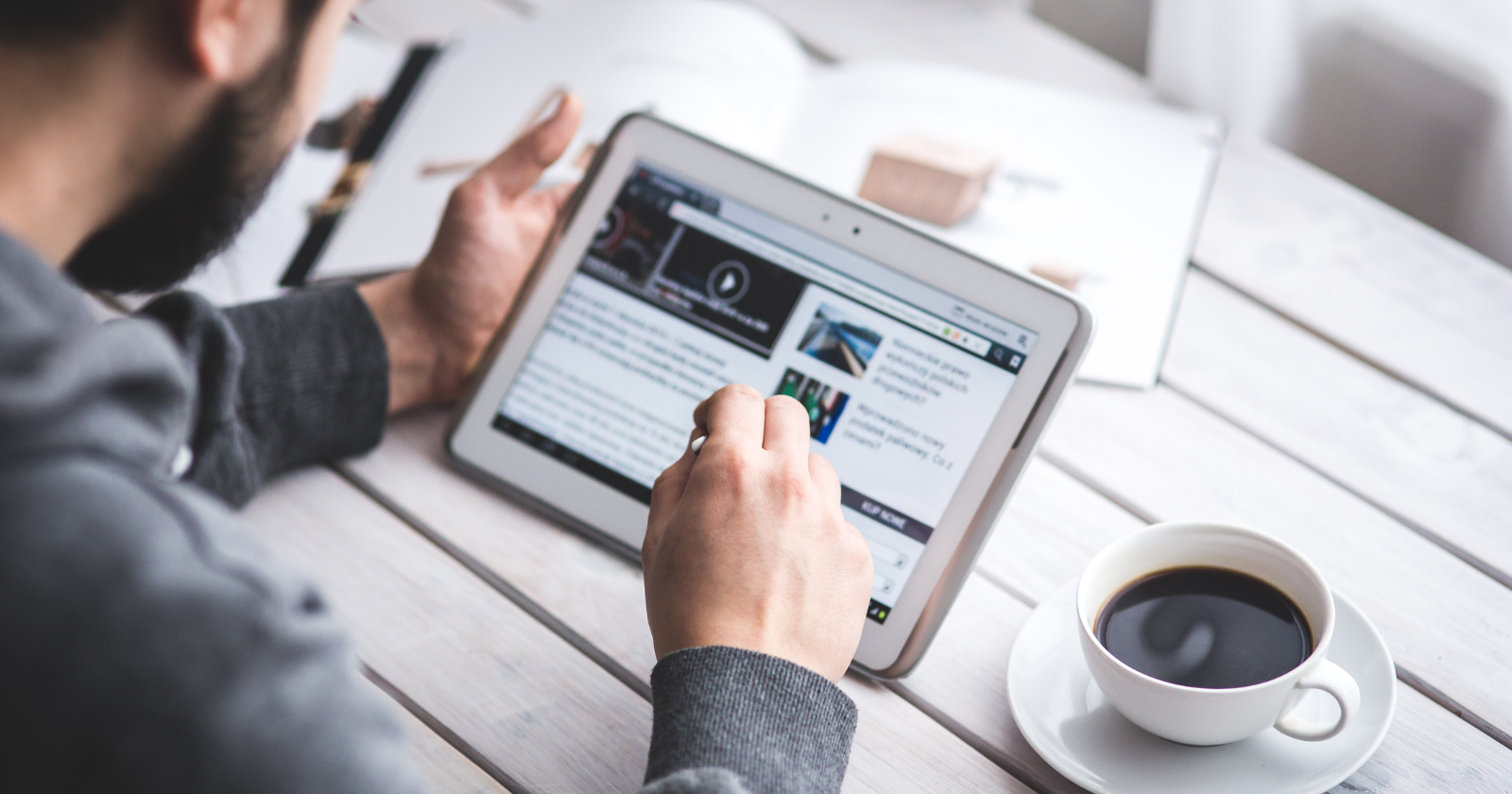
The night it all ended, a thumb hovered over the trembling app icons like someone defusing a tiny bomb. Part of the brain hoped the phone would shout "are you sure" in a parental tone and offer a last-minute save. It did not. One by one, the apps vanished. The phone went down, and the room suddenly felt louder. The silence had weight. It also felt like oxygen.
The promise was one year. No social media. Not a detox weekend. Not "checking in for work." A full twelve months with no feeds, no DMs, no notifications trying to wag the brain. Here is what happened when the noise stopped.
What left with the apps
The first thing to go was the phantom twitch. That automatic reach for the phone in quiet moments, like a dog checking the window for the mail truck. Standing in line, sitting at red lights, stirring onions — the quick pulse of "check" would fire. Without the apps, the check had nowhere to land. The twitch kept firing for a week. Then it faded.
The second thing to go was the comparison loop. The endless carousel of other people's vacations, kitchens, abs, opinions, and "so blessed" captions. It is hard to realize how much that loop shapes daily weather until it stops. Off the apps, mood stops bouncing like a pinball. Life comes into sharper focus — not as a brand, not as content, just as a Tuesday.
Finally, the background defensiveness disappeared. Social media trains people to anticipate conflict. Sentences get written with a tiny lawyer in the head. Replies get imagined from people who mostly exist as avatars. Without that imaginary audience, thoughts soften. Not weaker, just less theatrical.
What arrived to fill the space
Silence showed up first. It was not empty. It was loaded with little sounds most people forget to notice. Chopsticks clicking in a drawer. The neighbor's scooter. The sound of a first waking breath. It felt like sweeping a room and finding the floor again.
Then came attention. The ability to read for an hour without the brain scratching at the door. The ability to listen to a friend without drafting replies while they talked. The ability to cook a pot of beans with full focus, which is how beans turn into dinner instead of mush.
Finally, time returned. It is easy to say "there is not enough time." There is. It gets spent in tiny, uncounted payments. Deleting the apps is like canceling subscriptions no one remembers signing up for.
The first awkward weeks
Quitting social feels like switching diets at a barbecue. Everyone has a comment. "You are still on the group chat, right." "You cannot do your work without it." "How will you keep up." The simplest answer works best: "Texts and calls. If a meme gets missed, survival is still likely." People adjust faster than expected.
The awkward part is private. What to do with idle hands during the quiet in-between parts of the day? Waiting rooms. Buses. Slow elevators. A pocket notebook helps — and a small book when possible. Scraps get written down: a smell from a market, a sentence overheard, a memory that appears when the brain is not being fed. The notebook fills quickly. The awkward feeling does not last.
How relationships changed
Without feeds, liking people in bulk stops, and liking them on purpose begins. Texting friends one by one to ask how they are doing yields long messages back that feel like letters. Phone calls happen during walks. It feels old-fashioned in the best way.
It also becomes clear who only existed as a handle. People who had not been spoken to in years. Without their posts, they vanish. It stings a little. Then it makes sense. Some relationships are seasonal. Social media can keep them on life support forever. Letting a few drift feels clean.
The biggest change is in listening. In person, there is less distraction. No pocket waiting to buzz. The small notes in stories come through — the quick eye flicker when someone mentions their dad, the breath before they joke about something that is not funny at all. That kind of listening feels like a gift both ways.
Attention spans grow new legs
Social rewards short takes and heat. Long attention is a muscle, and it atrophies easily. Without the apps, a complicated book becomes readable again. What was read yesterday actually sticks. Ideas begin to braid together. Writing gets easier because attention is no longer being dragged through digital molasses.
Music sounds better too, when a full album plays during cooking or cleaning. Long songs become maps. The room feels deeper. Thoughts develop a rhythm again.
Work without the audience
Many people write with an imaginary crowd peering over the shoulder. Sentences get evaluated for performance. Would it clip well. Would it provoke. Without social, the audience shrinks to a person in a chair. It makes the writing better. It also makes it scarier in a clean way.
The practical change: "post and hope" gets replaced with "share deliberately." Pieces go out via email to a small list. Drafts go to two friends who actually read them. The numbers are smaller. The responses are louder and kinder. It is a reminder that reach is not the same as resonance.
The hard parts no one warns you about
Things get missed. Birth announcements that only lived on stories. Event invites that never made it to the inbox. A friend's bad week they only hinted at in a caption. It hurts to realize those were missed. One useful habit: texting ten people at the start of each month with "Anything to know? Good or tough." That closes the gap.
Feeling out of the loop is inevitable. People recount online drama like weather reports. The uninitiated blink and nod. The best response: "That got missed. Give the essentials." Most stories shrink to three lines when someone asks for the essentials. It saves everyone time.
The craving for the quick hit will come. After a hard day, doomscrolling is a tempting anesthesia. Without it