A daughter's six months caring for her injured mother revealed the paradox that makes parental love uniquely powerful: unlike every other human relationship that operates on reciprocity, this love thrives on giving without recognition, growing stronger precisely when nothing—not even gratitude—comes back.
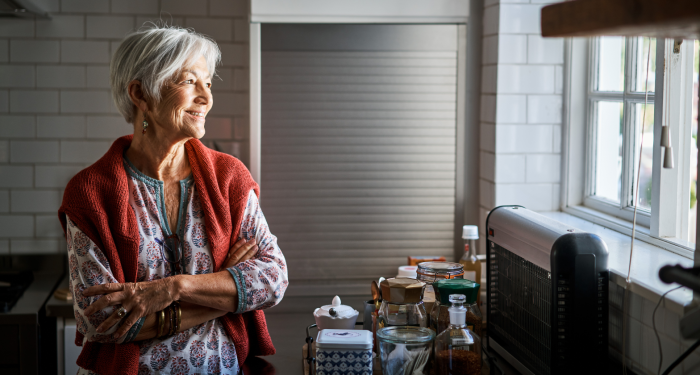
When I was thirty-two, I spent six months as my mother's primary caregiver after her knee surgery. That experience taught me something profound about love that I'd never understood before, even with all my years studying psychology and human behavior.
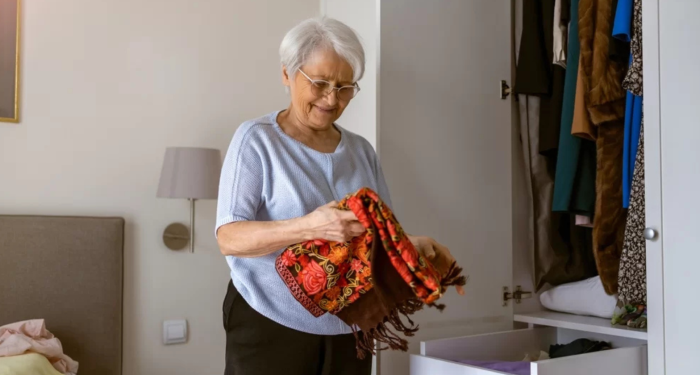
You see, during those long nights helping her to the bathroom, preparing her meals exactly how she needed them, and managing her medications while she was too foggy to remember, I watched something remarkable happen. My mother, the woman who had spent decades caring for me, couldn't give anything back in those moments. She could barely say thank you through the pain medication haze. Yet my love for her didn't diminish. If anything, it grew stronger.
This experience fundamentally changed how I understood parental love. Not as someone who has children myself (a choice I've had to defend more times than I can count), but as someone who finally grasped what makes this particular type of love so extraordinarily powerful.
The myth of biological imperative
We've all heard the narrative, right? Parents love their children because of evolutionary biology. It's about passing on genes, ensuring the survival of the species, all that scientific stuff that makes love sound like a chemical reaction rather than a conscious choice.
But here's what that theory misses: if parental love were purely biological, it would weaken when the biological imperative is fulfilled. Once a child reaches adulthood and can reproduce themselves, the biological "job" is done. Yet ask any parent of adult children if their love has diminished, and they'll look at you like you've grown a second head.
The psychological research tells a different story. Studies consistently show that parental love actually intensifies through the act of giving itself. Each sleepless night, each sacrifice, each moment of putting someone else's needs first doesn't deplete this love. It multiplies it.
Think about it this way: in every other relationship, there's an underlying expectation of reciprocity. Friends support each other. Partners give and take. Even in our relationships with pets, we expect companionship and affection in return for our care. But parental love? It operates on a completely different frequency.
Love without a scoreboard
I remember watching my own parents navigate this when I was in my rebellious teenage years. My mother was a teacher who'd come home exhausted from managing thirty kids all day, only to help me with homework I claimed I didn't need help with. My father, an engineer who valued precision and logic above all else, would patiently listen to my emotional rants about how "nobody understood me."
What strikes me now is how they never kept score. There was no mental tally of "I did this for you, so you owe me." When I ignored their advice and made mistakes anyway, they didn't withdraw their support. When I was too self-absorbed to notice their sacrifices, they kept making them.
This is what makes parental love unique in the landscape of human emotions. It exists without conditions, without expectations, without a return on investment mindset that pervades so much of our modern world.
Dr. Harry Harlow's famous experiments with rhesus monkeys revealed something crucial about this. The infant monkeys didn't just need food; they desperately needed comfort, even from an inanimate cloth "mother" that could give them nothing but softness. The real mothers in the wild? They provide that comfort endlessly, asking nothing from infants who can offer nothing in return.
The invisible labor of love
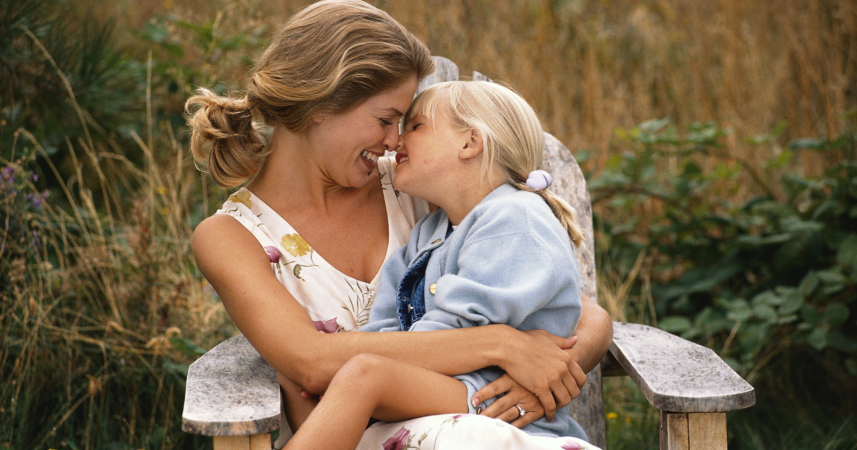
Here's something that really gets me: most parental love goes completely unnoticed by its recipients, especially in the early years. A two-year-old doesn't understand that their parent got up at 3 AM to comfort them through a nightmare. A teenager doesn't see the worry behind what feels like annoying questions about their plans.
During my mother's recovery, she told me something that stopped me in my tracks. She said she never expected me to understand what she'd done for me as a child. "How could you?" she asked. "You were busy being a child, which was exactly what you were supposed to be doing."
This invisibility would destroy most relationships. Imagine a friendship where one person gives constantly while their efforts go unrecognized. Or a romantic partnership where one partner's contributions are perpetually overlooked. These relationships would crumble. Yet parental love persists through decades of being unseen.
When the giving never stops
What really crystallizes this for me is watching friends navigate their relationships with adult children. One friend's daughter is thirty-five, financially independent, living across the country. Yet my friend still loses sleep when her daughter mentions feeling stressed at work. She still sends care packages. She still offers advice that often goes unheeded.
Another friend has a son who only calls when he needs something. It would be easy to become bitter, to close off, to protect oneself from this imbalance. Instead, she answers every call with the same warmth, gives what she can, and continues loving without reservation.
This challenges everything we think we know about human psychology and self-preservation. We're wired to protect ourselves from rejection, to avoid one-sided relationships, to seek balance and fairness. Yet parental love operates outside these normal psychological parameters.
The research of Dr. Ellen Galinsky on parental development stages shows that parents continue evolving in their role throughout their entire lives, constantly adapting their love to meet their children's changing needs, even when those children are adults themselves. The giving simply changes form; it never actually stops.
What this teaches us about love itself
As someone without children, I've spent years examining this phenomenon from the outside, sometimes wondering if I'm missing something essential about the human experience. Society certainly likes to suggest that's the case.
But here's what I've learned: understanding parental love, really understanding it, teaches us something crucial about our capacity for unconditional love in all its forms. It shows us that humans are capable of transcending the transactional nature that dominates so much of modern life.
When I cared for my mother during her recovery, I got a tiny glimpse of this. The love I felt wasn't diminished by her inability to reciprocate in those moments. If anything, her vulnerability and need intensified my desire to care for her.
This reveals something beautiful about human nature. We're not just biological machines programmed to ensure genetic survival. We're beings capable of a love so profound that it persists without recognition, grows without reciprocation, and strengthens through the very act of giving.
Final thoughts
The strongest love isn't strong because it gets something back. It's strong because it doesn't need to. Parental love shows us that humans can transcend the usual rules of emotional economics, creating something that gives and gives and gives, finding its own reward in the giving itself.
Whether you're a parent, hope to be one, or have chosen a different path like I have, understanding this can transform how we approach all our relationships. What if we could bring just a fraction of that unconditional quality to our friendships, our partnerships, our communities?
The love a parent feels for a child reminds us that we're capable of something extraordinary: loving without keeping score. And maybe, just maybe, that's the most human thing about us.