The birding stop sits just outside Ushuaia, near a landfill that draws rodents scavenging for food. It is the kind of detail that would usually pass unnoticed in a polar cruise itinerary: a brief excursion before the long push toward Antarctica.
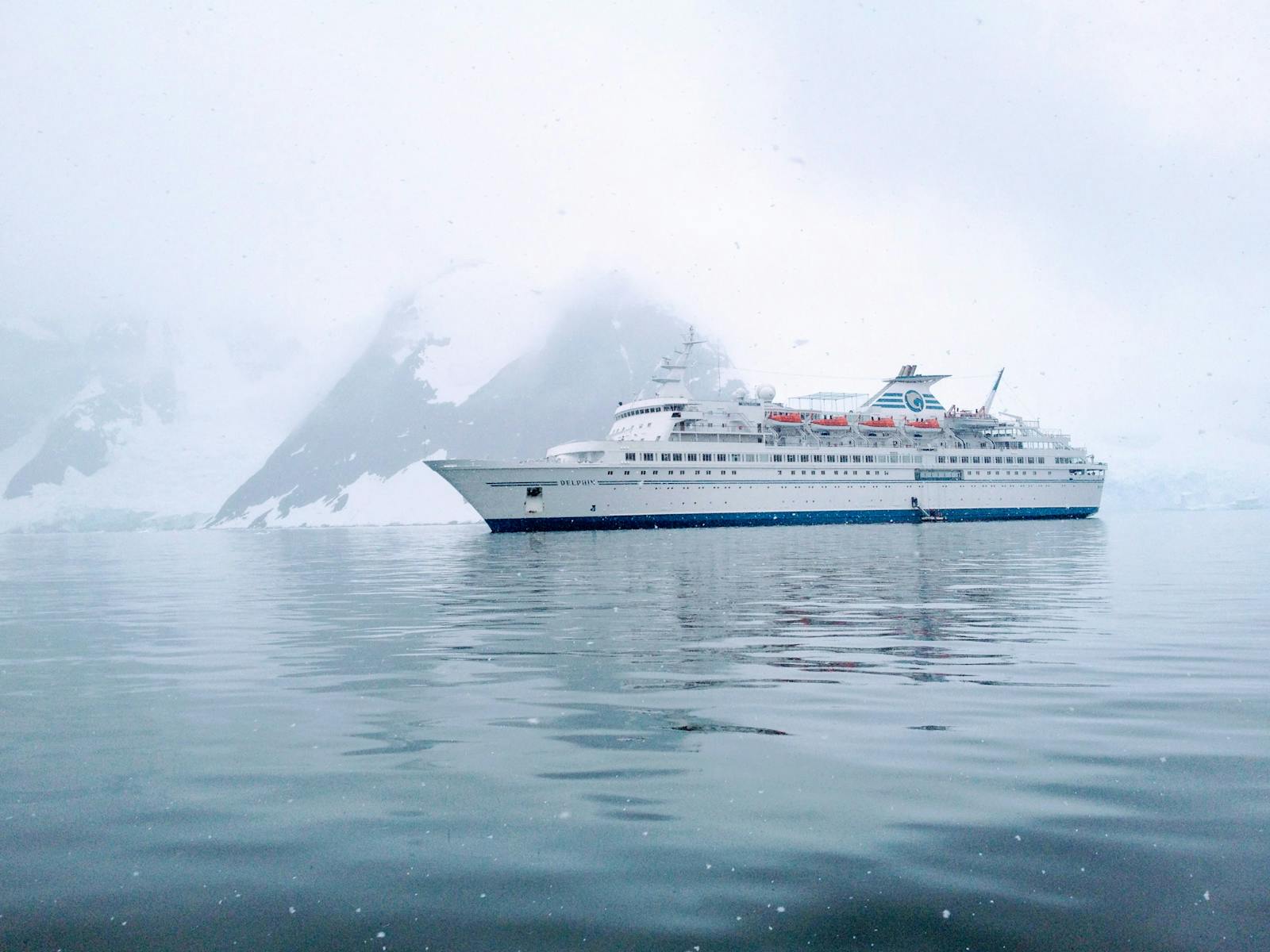
But that stop is now one of the possible exposure points in an outbreak of Andes hantavirus linked to the MV Hondius, a cruise ship that departed Argentina in April with 147 passengers and crew on board. The outbreak has killed three people and infected several others, according to Grist.
That is what makes the story bigger than one interrupted trip. It pulls together several pressures that are likely to shape the next generation of disease scares: changing weather, rodent ecology, waste sites close to human activity, international travel, and a global public-health system that is becoming more politically fractured just as the risks become harder to contain.
Hantaviruses are rodent-borne pathogens. People are most often infected after breathing in dust contaminated by the urine, droppings, or saliva of infected rodents. Andes hantavirus is especially worrying because it is the only hantavirus known to spread from person to person, which can turn a rare rural exposure into a cross-border public-health problem.
Grist reported that the virus has a one-to-six-week incubation period, which means investigators may not be able to identify one simple source. Exposure could have happened before the voyage, during the itinerary, or at a stop such as the birding site near Ushuaia, where rodents are drawn toward landfill waste.
The timing adds another layer. Argentina formally withdrew from the World Health Organization in March, roughly a month before the first MV Hondius patients became symptomatic. The United States has also moved to leave the WHO, part of a wider retreat from the international body built to monitor health threats, share information, and coordinate responses across borders.
That does not mean the WHO alone could have prevented the outbreak. It does mean the outbreak arrived at an awkward moment for public-health cooperation. A cruise ship is, by design, international: passengers from multiple countries, an itinerary that crosses jurisdictions, and a pathogen with at least some potential for person-to-person spread. Those are exactly the conditions that make fast information-sharing and coordinated tracing matter.
Argentina’s health ministry has also recorded a sharp rise in hantavirus cases. Grist reported that 101 infections had been recorded since June 2025, about twice the number over the same period a year earlier.
That surge is not happening in a vacuum. Argentina and nearby countries have faced years of weather disruption. A University of Navarra analysis noted that South America experienced a third consecutive year of severe drought in 2023, describing it as the region’s worst drought in a century. In 2025, World Weather Attribution reported an extreme rainfall event in Bahía Blanca, Argentina, after a period of intense heat.
Kirk Douglas, a senior scientist who studies hantaviruses and climate change at the University of the West Indies, Cave Hill, told Grist that drought can push rats and mice toward populated areas in search of food. Heavy rain after drought can then produce more nuts and seeds, giving rodent populations a boost. Both shifts can raise the chance that humans and infected rodents cross paths.
That is the uncomfortable lesson of the MV Hondius outbreak. Climate does not need to create a new pathogen to create a new problem. It can change where animals move, where they feed, how many survive, and how often people encounter them.
The U.S. experience shows how rare but serious hantavirus can be. CDC data show 890 reported cases of hantavirus disease in the United States from 1993 through the end of 2023. Thirty-five percent of reported infections resulted in death, and 94 percent occurred west of the Mississippi River.
A Los Alamos National Laboratory summary of recent research found that hantavirus risk in the contiguous United States is higher in drier, underdeveloped areas with more socioeconomic vulnerability and a greater diversity of rodent species. That description fits parts of the American West, but it also echoes the broader pattern now drawing attention in Patagonia: dry landscapes, vulnerable infrastructure, and ecological shifts that can bring rodents and people closer together.
For a publication that covers travel and conscious living, the MV Hondius outbreak is a reminder that where we go is increasingly tied to systems much larger than travel itself. Climate, land use, waste management, and public-health cooperation are not separate stories. They are the same story viewed from different angles.
The next outbreak may not begin in a hospital, a market, or a crowded city. It may begin at the edge of an itinerary, beside a landfill, in the dry dust where a changing climate has quietly moved the animals closer.