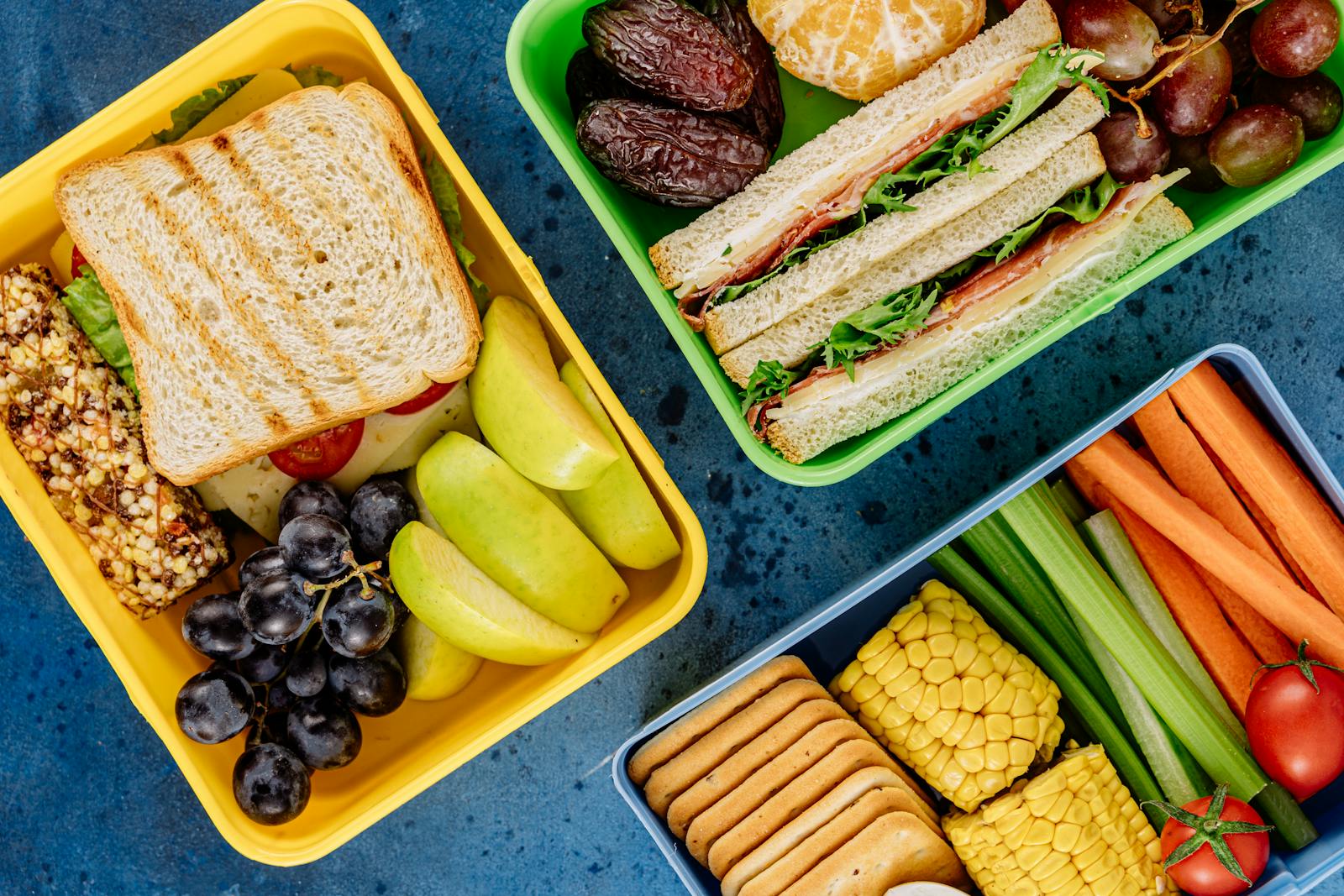
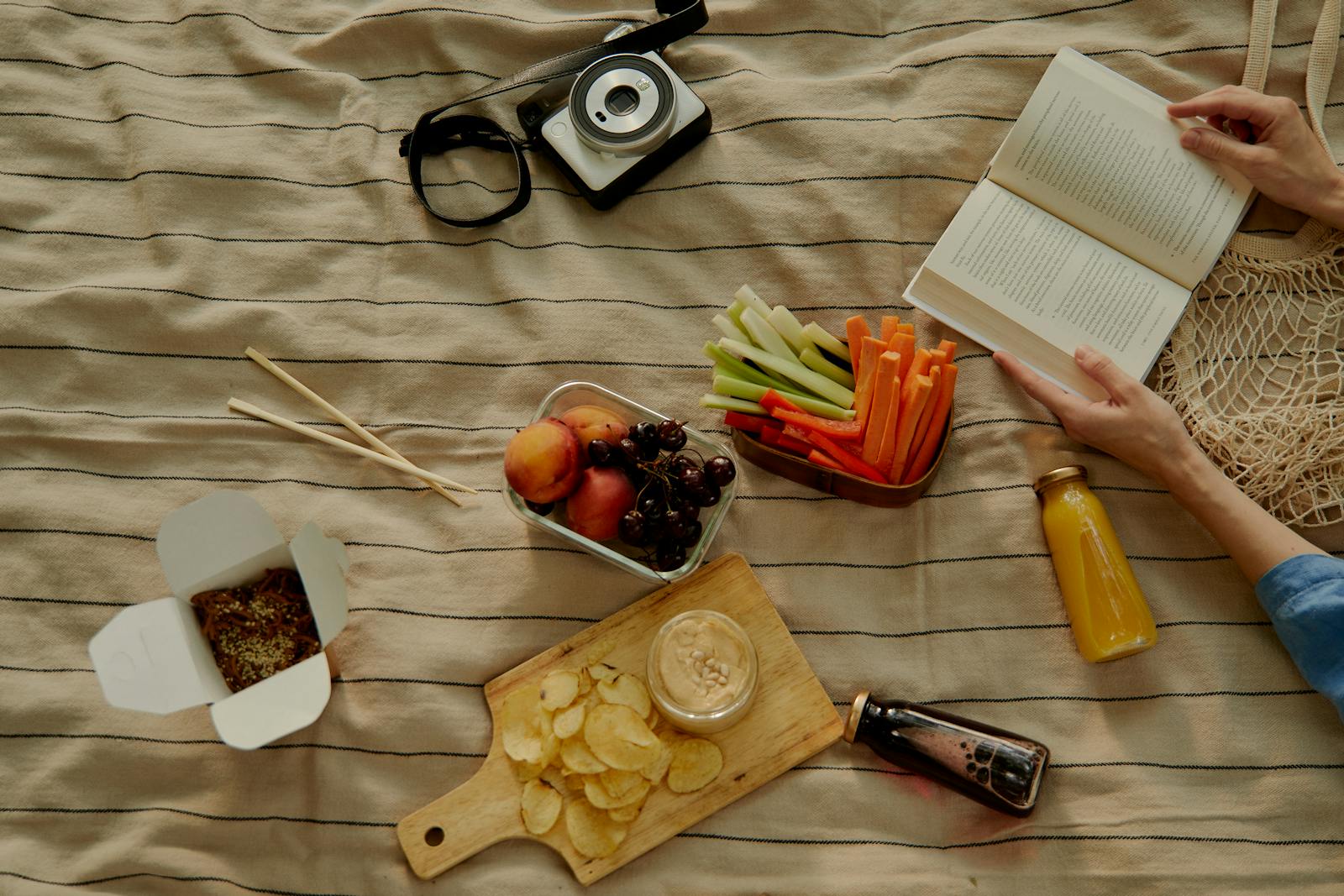
You know the tote bag. Trail mix in a reused jar. A banana wrapped in a napkin because produce bags felt wasteful. Maybe a protein bar, an apple, a sleeve of crackers. The person carrying it has been called a lot of things over the years: particular, controlling, high-maintenance, a planner. Friends roll their eyes affectionately. Partners tease them at airports. Coworkers ask, half-joking, if they're preparing for the apocalypse.
The conventional read is that this is a personality quirk. A control thing. A type-A flourish.
The research suggests something quieter and older.
What the snack bag is actually doing
Packing your own food is, on the surface, a logistical decision. Airport food is expensive. Highway rest stops are bleak. Long meetings run over. Reasonable people prepare.
But preparation has a temperature. There's the casual version: tossing a granola bar in a bag on the way out the door. And there's the version where someone has thought, several days in advance, about every possible window in which they might become hungry around other people. The second version isn't really about food. It's about not being caught.
The word people reach for is controlling. It's the wrong word. Control implies a desire to dictate outcomes for others. The snack-packer isn't trying to manage anyone else. They're trying to make sure that one specific variable (their own body's signal that something is wrong) doesn't go off in public.
When physiological needs feel uncertain, the nervous system doesn't politely wait for the social calendar to clear. It floods. People become irritable, distracted, ashamed, less able to perform the version of themselves they want to be in the room. For someone whose childhood involved any meaningful unpredictability around food (not necessarily poverty, just unpredictability), the link between hunger and exposure was forged early.
Where the habit comes from
Research drawing on data across high-income countries has found that food insecurity is linked to measurable harms ranging from pregnancy complications to long-term mental health outcomes in children. That number: high-income countries, not developing ones. That's the part most people miss. Hunger in childhood doesn't always look like an empty pantry. Sometimes it looks like a kid quietly calculating whether the field trip lunch will be enough, or whether asking for seconds at a friend's house will be remembered.
Building on attachment frameworks developed decades ago, children learn, very early, what their caregivers can and cannot reliably provide. When the response to a basic need is consistent, the child internalizes a sense that the world will meet them. When the response is inconsistent (sometimes there's a snack, sometimes there isn't, sometimes asking gets a warm answer, sometimes it gets a sigh), the child learns to bypass the request entirely. Self-sufficiency becomes the safer route. Those early templates carry into adult patterns of autonomy and self-reliance.
And the imprint isn't always about extreme poverty. Parental stress alone (not income, not household structure) can predict whether young children move into obesity risk categories. When parents are stressed, family routines around food break down. Meals become unpredictable. The kids absorb it. Unpredictability around food is the through-line. The household didn't have to be hungry. It just had to be unreliable.
For a child who once had to sit through a birthday party watching other kids eat pizza they couldn't afford to bring money for, or who learned that claiming not to be hungry was the polite cover story when there wasn't enough at home, hunger isn't just a sensation. It's a setting. It's the moment when the gap between your household and everyone else's became visible. Shame is the experience of believing that some part of yourself, if seen, would make you unworthy of belonging. For children whose unmet needs became visible to peers (through free lunch lines, through inability to attend events, through a stomach growling in a quiet classroom), the link between physiological need and social exposure was welded together. As adults, they're not avoiding hunger. They're avoiding the spectacle of it.
And it doesn't politely end when income rises. Early experiences of scarcity reshape long-term behavioral patterns, from money habits to eating habits to how people respond to perceived resource threats. The body's threat-detection system doesn't update its software just because the bank account did.
Listen to how snack-packers describe what they're doing, and you'll notice the language is rarely about pleasure. It's about prevention. They cite flight delays. They express uncertainty about when meals will be available. They mention becoming irritable when hungry. That last one is the tell. The framing is almost always protective of other people (I don't want to be unpleasant around you) rather than self-directed. The work of the snack bag is partly to keep the carrier from becoming, in their own internal narrative, a burden. It's the same psychological territory that produces the adults who became the family's emotional infrastructure at twelve. Anticipate the need, meet it quietly, never let anyone see the labor.
The class layer, and what changes when you see it
There's also a class story here that gets papered over by wellness culture. The current aesthetic of the prepared snack (the glass jar, the labeled container, the curated almonds) has been rebranded as a marker of health-conscious affluence. Wellness influencers post their plane snack hauls as a kind of lifestyle flex.
But the underlying behavior (bringing food because you can't or won't trust what's available) has a much older lineage in households where buying food on the road wasn't an option. The Tupperware of cut fruit your aunt brought to every family gathering. The sandwich your grandmother wrapped in foil for the bus. The thermos. The cooler in the trunk on every single road trip, regardless of distance.
What was once a quiet survival strategy in working-class and immigrant households is now being sold back to the same demographic as a $48 bento box. The behavior didn't change. The framing did.
This isn't a piece arguing that snack-packing is pathology. The behavior is, by most measures, adaptive. It saves money. It avoids the blood-sugar spiral that turns reasonable adults into people who say things they regret in airport queues. It often results in better food than the alternative. The person with the tote bag is, in nutritional terms, usually winning.
The question isn't whether the habit is good or bad. It's whether the person carrying the bag knows where it came from. There's a meaningful difference between I pack snacks because I prefer to and I pack snacks because the thought of being hungry around other people produces a low hum of dread I've never named. The first is a preference. The second is a pattern asking to be looked at.
For some people, recognizing where the snack bag came from is enough to soften the relationship with it. The bag stops being evidence of personality and becomes evidence of history. It can stay packed. It can also, sometimes, be left at home.
The deeper work is noticing what other small acts of self-protection live in the same neighborhood. The person who always carries a phone charger. The one who arrives twenty minutes early to everything. The one who keeps a sweater in the car year-round, a granola bar in every bag, a backup plan in every conversation. These are often the same person. They learned, somewhere, that being caught unprepared was its own quiet humiliation, and they built a life around making sure it didn't happen again.
That's not control. That's a child who once felt exposed, still doing the work of making sure the adult version never has to. The bag isn't the problem. The bag is the answer to a question nobody knew the kid was being asked. Understanding the question is what makes the bag, finally, optional.