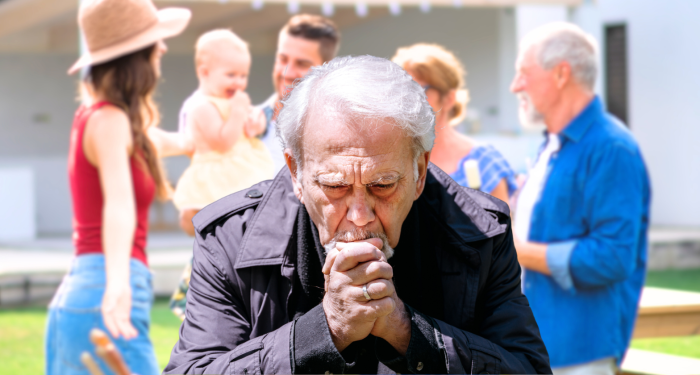


The parts of a story hardest to own are the ones that involve old failures, old shame, or chapters that do not fit the version of ourselves currently on display
There are at least three things a reader could hear when Brené Brown says we have to "own" our story. The first is the simplest — to accept the story we already have. The second is a more punishing reading — to admit to it, take the blame, brace for the verdict. The third is perhaps closer to what Brown actually means: to claim authorship of it. To be the one telling it, rather than the one explaining it away to anyone who asks.
What Brown actually said
The line comes from Brown's 2010 book The Gifts of Imperfection: "Owning our story and loving ourselves through that process is the bravest thing that we will ever do." It is a single sentence inside a chapter, but it has traveled further than most of the book around it — repeated in conference rooms, journal pages, and group chats for over a decade.
Brown is a research professor at the University of Houston Graduate College of Social Work, where she has spent more years studying shame, vulnerability, courage, and worthiness. The sentence is not a slogan she chose on the way out the door. It is a compression of what her research kept telling her — that the costliest move people make is not getting their story wrong; it is refusing to claim it at all.
Why the bravest thing
The alternative to owning a story is something most of us recognize from the inside. We edit. We curate. We choose which parts to surface, which to soften, and which to bury deep enough that we manage not to think about them ourselves. The story stays technically true and stops being whole. Research on emotion regulation suggests that the parts of a story we work to conceal do not diminish for being concealed — as put by researchers, it"fails to decrease emotion experience".
Brown's framing of this is direct: when we refuse to acknowledge a part of our history, that part starts to write the rest. It does not sit quietly. It directs the editing. Decisions about who to let close, what to try, what to say out loud — all of them get shaped by the parts we are working to keep offstage.
This is the cost the word "bravest" is doing the work of naming. Owning the story is not brave because telling the truth is unusually hard. It is brave because the version of ourselves on the other side of that telling is not yet someone we know. Most acts of courage involve facing a familiar fear. This one involves meeting a self we have spent years not meeting.
The research that gives the sentence its weight
Brown's claim could read as inspiration if there were not a substantial body of empirical work behind it. Some of the most relevant findings sit in research on self-compassion led by Kristin Neff at the University of Texas at Austin, who has spent more than two decades operationalizing what Brown's sentence gestures toward.
Neff defines self-compassion as having three components: self-kindness ("being warm and understanding toward ourselves when we suffer, fail, or feel inadequate, rather than flagellating ourselves with self-criticism"), common humanity (recognizing that "life challenges and personal failures are part of being human, an experience we all share"), and mindfulness ("a nonjudgmental, receptive mind-state in which thoughts and feelings are observed as they are, without suppressing or denying them"). Read against Brown's line, the three components describe what the second clause — loving ourselves through that process — actually entails.
Neff has reported that self-compassion is reliably associated with lower anxiety and depression, — findings that describe a pattern in the research literature. This is not clinical advice or a substitute for working with a qualified therapist.
Read against Brown's claim, this body of work supplies the scaffolding the sentence depends on. "The bravest thing we will ever do" is not an inspirational flourish; it is perhaps a way of naming what self-compassion researchers have spent more than twenty years measuring.
What the sentence is actually asking for
The most useful thing about Brown's line may be how little it asks at first reading. It does not direct anyone to share their story publicly, write a memoir, or tell a particular person what happened. The verb is "owning" — claiming the story, holding it as authored rather than ambient. That move happens internally before it ever becomes a sentence anyone else hears.
For most readers, the parts of a story hardest to own are the ones that involve old failures, old shame, or chapters that do not fit the version of ourselves currently on display. The line does not promise that acknowledging those parts feels good in the moment.
For some readers, the parts of the story this sentence points toward are heavy enough that an article is not the right tool. If any of this is landing closer to home than it is to curiosity — if there is a chapter that has been doing work in the background of a life for a long time — sitting with it alongside a therapist or mental health professional is usually more useful than sitting with it alone. The sentence Brown wrote is a thesis, not a method. Methods take support.
The work the sentence describes does not have a visible finish line. What changes, over time, is the question of whose voice ends up doing the telling — and that change happens long before anyone else hears it.