
A consistent bedtime is not a personality flaw. It is one of the most underrated forms of self-respect a working adult can practice, and the people who guard it are often the ones who have already learned, sometimes painfully, what happens when they don't.
The cultural script says otherwise. Late nights signal ambition, spontaneity, a life full enough to spill past midnight. Going to bed at 10:30 sounds like surrender, like the part of adulthood nobody warned you about, the slow decline into sensible shoes and decaffeinated tea. But the research on what actually happens to a body and a mind across years of erratic sleep tells a different story, and so does the psychology of why some people protect their evenings while others give them away.
The strongest objection to this framing is worth taking seriously. Not everyone who goes to bed early is choosing it. Shift workers, parents of newborns, caregivers, people with chronic illness, people working two jobs to make rent — for many, sleep timing isn't a virtue or a vice but a constraint. The argument here is narrower: among people who do have some say over when they sleep, choosing a predictable bedtime is rarely about being dull. It's about having figured something out.
The autonomy nobody else can give you
Most adult days are short on autonomy. You answer to bosses, clients, kids, partners, group chats, the algorithm, the inbox. By 9 p.m., the small choices left to you can feel like the only ones that were ever fully yours. What time you turn off the light is one of them.
People who go to bed at roughly the same time every night aren't being rigid. They're exercising a kind of agency that the rest of the day quietly denied them. The decision is small. The pattern is the point.
The body keeps its own schedule whether you cooperate or not
The body runs on a roughly 24-hour internal clock that governs hormone release, body temperature, mood, and cognitive function. When sleep timing varies wildly, that clock loses its anchor, and the downstream effects show up everywhere — including in the 3 a.m. window when body temperature and serotonin bottom out and stress hormones climb. Lying awake at that hour cataloguing every regret of your adult life isn't a moral failure. It's physiology operating exactly as designed. An inconsistent bedtime simply puts you in that trough more often.
By evening, the part of you that is supposed to make the wise call about whether to scroll for another hour or actually go to sleep is the same part that has been making calls all day. It is tired. It loses. This is why people with predictable evenings often look, from the outside, like they have more discipline than everyone else. They don't. They have fewer decisions. The bedtime is automatic, which means the willpower has already been spent on something else, or saved for tomorrow.
A study led by Oregon Health & Science University found that people recovering from heart failure had better outcomes when their sleep was more regular, even when total hours stayed roughly the same. Regularity, not just duration, mattered. Cardiologists have echoed the same warning in plainer terms. Going to bed at 11 one night and 1 a.m. the next, on a recurring basis, may be quietly damaging cardiovascular health in ways most people don't notice until something more serious flags it.
VegOut has covered this dynamic before in a piece on the difference between laziness and depletion. What looks like a lack of drive is often the entirely rational response of a system that has been asked to perform without rest. The body doesn't reward improvisation. It rewards rhythm.
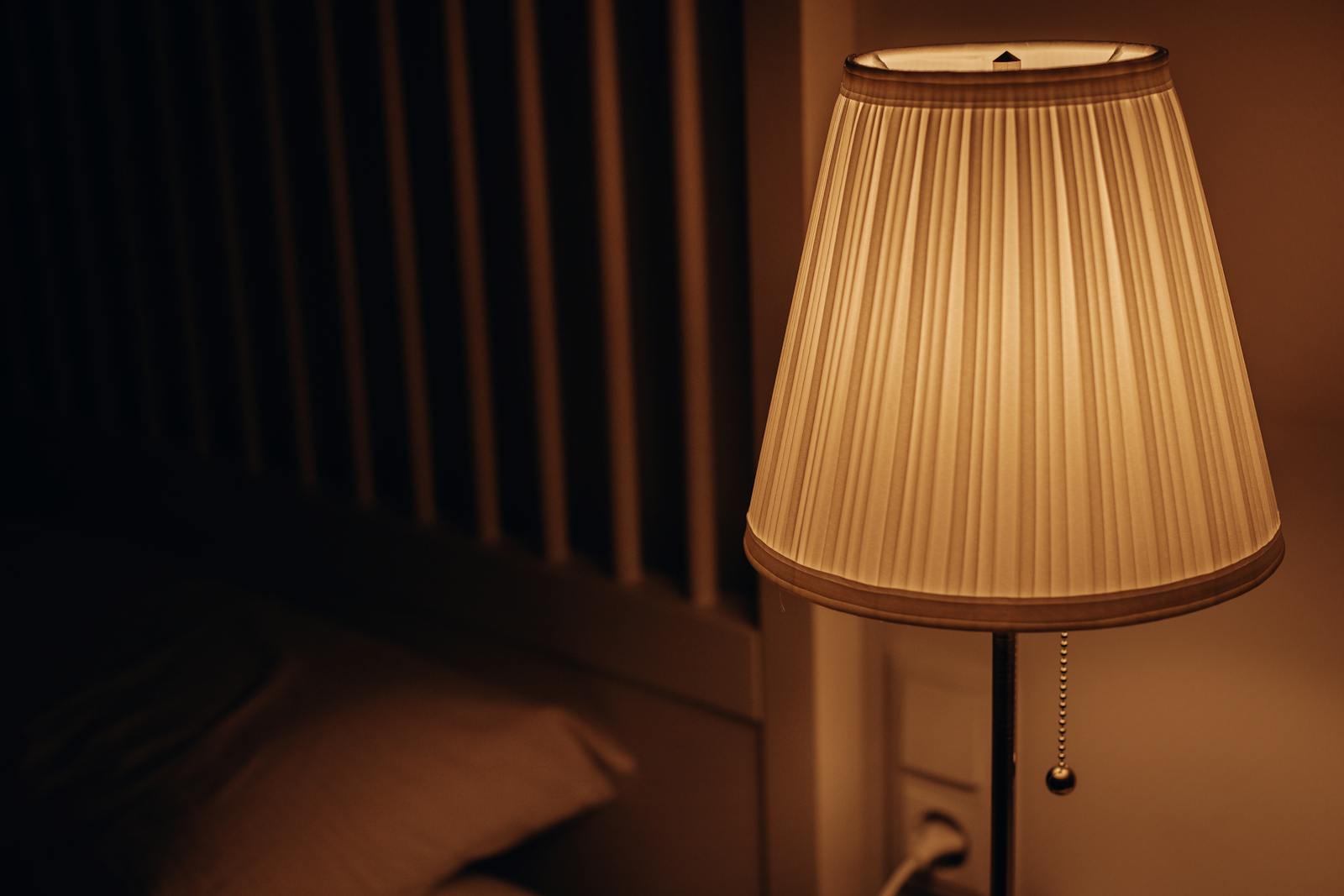
The mental health stakes are not abstract
The relationship between sleep and mood is what clinicians call bidirectional. Each makes the other worse, or each makes the other better, depending on which way the cycle is turning.
Reporting from Florida Today on insomnia and mental health noted that chronic sleep loss reduces resilience to stress and amplifies anxiety, and cited research finding that people with a history of insomnia were significantly more likely to develop major depression within several years. People who maintain earlier bedtimes may be doing something protective, whether they know it or not.

The boundary you set with yourself
Most conversations about boundaries focus on other people. Saying no to the colleague, the relative, the friend who keeps overstepping. Less attention goes to the boundary you set with yourself, which is harder, because there is no one else in the room to disappoint.
Psychology Today has explored how boundary-setting functions as a form of self-respect rather than rejection of others, and on how rules and expectations within relationships shape what feels acceptable. The same logic applies inward. The person who closes the laptop at 9:45 every night, who has a glass of water, who actually goes upstairs when they say they are going upstairs, is enforcing a contract with themselves. Nobody is checking. Nobody knows. That's what makes it count.
This connects to a pattern VegOut has explored before, around people who struggle to rest without guilt. For some adults, going to bed before everyone else feels like quitting. The bedtime becomes the front line in a longer argument about whether rest is allowed without being earned.
What predictability actually buys you
The case for a consistent bedtime is not aesthetic. It is not about being the kind of person who has a wind-down routine and a chamomile mug and a reading lamp. Those things are fine. They are not the point.
The point is that a predictable evening is the part of the day where the demands stop. Where you are no longer optimizing for output, performance, availability, or anyone else's comfort. The 30 to 90 minutes before sleep can be the only stretch of waking hours that belongs entirely to you, and treating that stretch as sacred has nothing to do with being boring and everything to do with being honest about how little of the rest of the day actually does.
People who protect that window tend to know something the rest of the culture is still figuring out. The body will collect what it is owed eventually. You can pay it now, in the form of a regular bedtime, or you can pay it later, in the form of cardiovascular risk, mood disorder, and the slow grinding sense of never feeling rested. The early-to-bed crowd has done the math.
None of this is moral. There is no medal for a 10 p.m. bedtime, and no shame in a 1 a.m. one if it is genuinely chosen and genuinely working. But the people who have settled into a predictable evening rhythm are not opting out of life. They are opting into a small daily practice of returning to themselves before the day takes the last of them. That is loyalty to the only person who has to live inside your body for the rest of it.