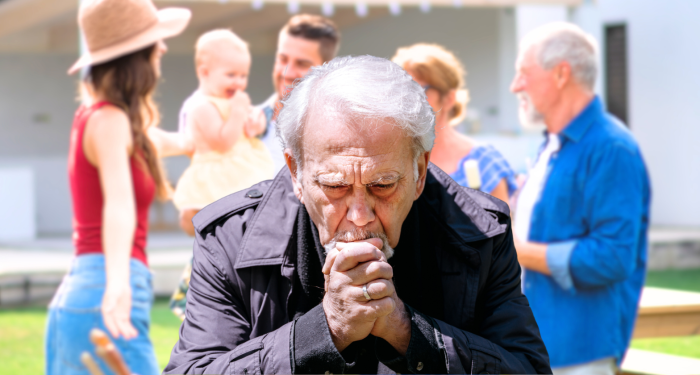


The people who emerge truly transformed aren't those who rushed to rebuild or forced a smile through the pain—they're the ones who had the courage to sit still in their own wreckage until they understood exactly which parts of themselves were worth salvaging.
The TV box weighed maybe forty pounds, but by the third hour of my shift it felt like eighty. I remember the exact sound of the loading dock at that Melbourne warehouse — the metallic groan of the roller door, the hiss of the pneumatic lift, the squeak of my own sneakers on concrete that always seemed slightly damp. I was twenty-something, fresh out of Deakin University after studying psychology, and I was shifting flat-screens for a living.
Every motivational article I'd ever read told me to find the silver lining. Reframe it. Be grateful for the lesson. I tried. I really did. None of it touched the actual weight of what I was carrying, which had nothing to do with the TVs.
What finally helped was the opposite of everything the internet preaches about hardship.
The myth of bouncing back
We've been sold this idea that resilience means bouncing back quickly, like some kind of emotional rubber ball.
Real resilience is messier than that. It's about allowing yourself to be changed by what happens to you. Not in a destructive way, but in an honest one.
Think about it. When something truly devastating happens, trying to immediately find the bright side feels hollow, doesn't it? Like putting a band-aid on a broken bone. The people I've watched genuinely transform didn't skip the hard parts. They waded through them.
During my warehouse days, I remember trying every positive thinking exercise in the book. Gratitude journals, affirmations, visualization. None of it stuck because I was trying to skip over the part where I admitted things were genuinely difficult. I was trying to build on a foundation that hadn't been properly cleared yet.
Why sitting in the rubble matters
There's something profound that happens when you stop rushing toward recovery. When you let yourself actually feel the weight of what's happened.
Research examining stress and resilience among young adults found that higher resilience was actually associated with better psychological well-being. But here's the kicker: this resilience wasn't about avoiding the stress. It was about moving through it. You can't rebuild properly if you don't first acknowledge what's broken. And I mean really acknowledge it, not just give it a quick nod before rushing to "fix" everything. When I finally stopped pretending everything was fine during those warehouse months, something shifted. I stopped wasting energy maintaining a facade and started using that energy to actually process what was happening. The anxiety that had been my constant companion throughout my 20s became less about fighting reality and more about understanding it. What I'd been calling resilience was actually just performance — and performance is exhausting in a way real grief isn't.
In my book Hidden Secrets of Buddhism: How To Live With Maximum Impact and Minimum Ego, I explore how Buddhist philosophy teaches us about impermanence and acceptance. Not the passive kind of acceptance that gives up, but the active kind that sees clearly before moving forward.
The power of honest breaking
A. Maya Kaye Ph.D., a psychotherapist, asks: "Failure is often seen as a roadblock, but what if it's a natural part of growth?"
What if, indeed?
When we allow hardship to break something honest in us, we're not talking about becoming bitter or giving up. We're talking about letting go of illusions. The illusion that we have complete control. The illusion that bad things shouldn't happen to good people. The illusion that we need to maintain a perfect image even when everything's falling apart.
These illusions take enormous energy to maintain. When they break, that energy gets freed up for actual growth.
I've watched friends go through divorces, job losses, health crises. The ones who came out genuinely transformed weren't the ones posting inspirational quotes on social media two days later. They were the ones who admitted, sometimes months later, "Yeah, that really messed me up for a while."
Building with fewer rooms but stronger walls
Here's where it gets interesting. Research on post-traumatic growth shows that people who experience significant adversity can undergo positive personality changes. But these changes aren't about adding more to who you were before. They're about becoming more essential.
Think of it like renovating a house after a storm. You don't rebuild every damaged room exactly as it was. You ask: What do I actually need? What was just taking up space? What needs to be fortified?
After my warehouse period, I didn't try to recreate the person I was before. That person had too many rooms dedicated to impressing others, to chasing conventional success, to maintaining an image. The rebuilt version had fewer rooms but each one mattered.
This is what Buddhist philosophy calls "essential living." Not minimalism for its own sake, but clarity about what actually serves you.
The principles that saved me during those dark times became the foundation of everything I write about now. Your mess really does become your message, but only after you've sat with the mess long enough to understand what it's teaching you.
The uncomfortable middle
Nobody talks about how long the sitting-in-rubble phase should last. That's because there's no timer on it. You can't schedule transformation.
A study on psychological resilience in older veterans found that those with greater resilience adapted better to physical aging challenges. But this resilience wasn't built overnight. It was forged through years of facing and processing difficulties.
The uncomfortable middle is where the real work happens. It's where you stop performing recovery and start actually recovering. It's where you stop trying to be who you were and start discovering who you're becoming.
During my anxious 20s, I kept waiting for the moment when everything would click back into place. What I didn't realize was that clicking back wasn't the point. Growing forward was.
Conclusion
So here's my challenge to you, and I mean this seriously: stop performing your recovery for an audience that isn't paying attention anyway.
Stop posting the inspirational quote three days after the funeral. Stop telling people you're "doing great" when you're not. Stop hunting for the lesson before you've even sat with the loss. Every time you rush past the rubble, you're robbing yourself of the only part of suffering that has any value — the part where it actually changes you.
Toxic positivity is a tax we keep paying to make other people comfortable. And the bill comes due eventually, usually in the form of a breakdown disguised as a midlife crisis, a burnout, a quiet afternoon where you realize you don't recognize the life you've built.
So break, if you need to break. Sit in it longer than is socially acceptable. Rebuild slowly, with fewer rooms. The people who tell you to cheer up faster aren't the ones who'll be living in the house with you.
You are.