
After months of lying to everyone about why I really ran every morning, I finally confessed to my wife that the sweat-soaked shirts and improved fitness were just a cover story for something I desperately needed but couldn't admit: sixty minutes of being completely unreachable in a world that demands constant availability.
Three months ago, I finally admitted something to my wife that I'd been keeping to myself: I didn't actually care about the running.
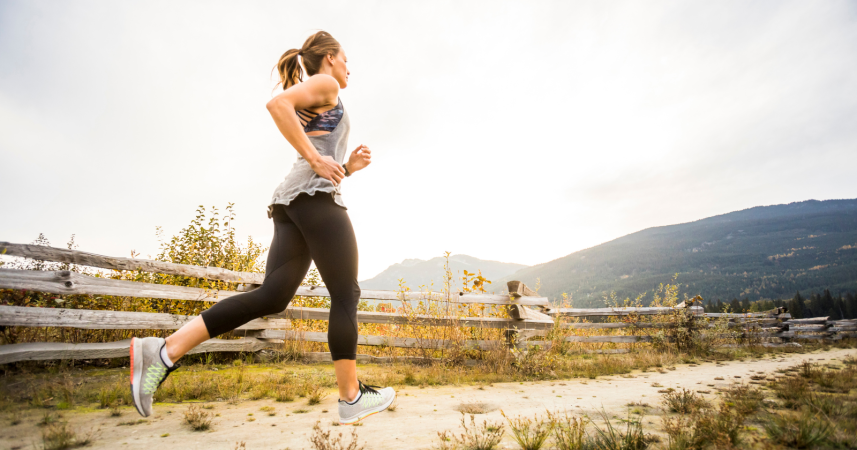
Sure, I'd lost weight. My resting heart rate had dropped. But that morning run through the humid streets of Saigon? It was never about the cardio. It was about the sixty minutes where my phone stayed silent, where nobody could find me, where the only conversation happening was between my feet and the pavement.
The fitness was just a side effect. The solitude was the point.
And once I said it out loud, I realized I wasn't alone in this secret. Maybe you've felt it too, that desperate need for a pocket of time that belongs only to you.
The accidental discovery of sacred space
It started during one of those periods where life felt like a pressure cooker. New baby at home, work deadlines stacking up, that familiar anxiety from my twenties creeping back in. Every waking moment was accountable to someone else.
I told myself I needed to get healthier. That was the socially acceptable reason, right? But the first time I laced up those running shoes and stepped into the wet heat — 28°C at 5 AM, the kind of air you wear rather than breathe — something shifted.
For one hour, I was unreachable.
No Slack messages. No crying baby (though I love her dearly). No client emergencies. Just me, the rhythmic sound of breathing, and streets that were still sleeping.
The transformation wasn't in my body. It was in my mind.
Buddhist philosophy talks about the concept of "sacred space", those moments or places where we step outside ordinary life and into something deeper. Traditionally, this might be a temple or meditation cushion. But I discovered mine at 5:47 AM, running past street vendors setting up their morning pho stands, the smell of star anise and charred bone broth cutting through the diesel of the first motorbikes.
What makes a space sacred isn't the location. It's the intentional separation from the constant pull of modern life. It's the choice to be temporarily unreachable, even if the world thinks you're just exercising.
Why we're all craving disconnection
Here's what nobody talks about: we're not overwhelmed by life itself. We're overwhelmed by our constant availability.
Think about it. When was the last time you were truly alone with your thoughts? Not scrolling, not listening to a podcast, not mentally planning your next move. Just... existing.
The average person checks their phone 96 times per day. Once every ten minutes. We've made solitude extinct, then act surprised when anxiety metastasizes.
Running became my rebellion against this. But it could be anything. Swimming. Gardening. Walking. The activity doesn't matter. What matters is that it creates a legitimate reason to be unavailable.
Because here's the uncomfortable truth: saying "I need an hour alone" feels selfish in our culture. But saying "I'm going for a run"? That's responsible. That's healthy. That's admirable, even.
So we hide our need for solitude behind socially acceptable activities. And maybe that's okay.
The paradox of productive solitude
The irony isn't lost on me. I started running to escape productivity culture, yet it made me more productive than ever.
Those early morning runs, before the heat becomes punishment, became my most creative time. Problems that seemed unsolvable at my desk would untangle themselves somewhere around kilometer three. Writing blocks dissolved. Anxiety turned to clarity, usually by the time I hit the bridge over the Saigon River.
In my book [Hidden Secrets of Buddhism: How To Live With Maximum Impact and Minimum Ego](https://www.amazon.com/Hidden-Secrets-Buddhism-Maximum-Minimum-ebook/dp/B0BD15Q9WF), I explore how Buddhist monks use walking meditation as a tool for insight. Turns out, they were onto something. Movement creates mental space. Repetitive physical action quiets the chattering mind.
But this only works when you're truly disconnected. The moment you add podcasts, audiobooks, or music, you're filling that sacred space with someone else's thoughts. You're avoiding the very thing you need most: time with yourself.
Making peace with the discomfort
Let's be honest about something else: being alone with your thoughts can be terrifying at first.
During those first few runs, my mind went into overdrive. Every worry, regret, and fear came flooding in. The physical discomfort of running in tropical humidity was nothing compared to the mental discomfort of facing myself without distractions.
But here's what I learned: discomfort is the gateway to peace.
When you stop running from your thoughts (while literally running with them), something shifts. You realize that the anxiety you've been avoiding isn't as scary as the act of avoiding it. You discover that your mind, when given space, naturally finds its way to calm. The Zen teacher Thich Nhat Hanh wrote about "stopping" as a radical act in modern life. Not stopping to check your phone or grab coffee, but truly stopping. Creating a pause in the endless momentum of doing.
Running became my way of stopping, paradoxical as that sounds. By moving my body, I could finally stop the mental spinning that had plagued me for years.
Building your own unreachable hour
You don't need to become a runner to claim your hour of solitude. You just need to find your own socially acceptable escape route.
Maybe it's a pottery class where phones aren't allowed. Maybe it's swimming laps at the local pool. Maybe it's walking your dog at dawn before the world wakes up.
The key is making it non-negotiable.
This isn't free time that can be sacrificed when things get busy. This is mental hygiene, as essential as brushing your teeth.
Start small if you need to. Even 20 minutes of true disconnection can shift your entire day. Leave your phone at home. Resist the urge to make it productive. Let it be wasteful, inefficient, seemingly pointless.
Because that's when the magic happens. In the space between thoughts, in the rhythm of repetitive movement, in the silence of being unreachable, you remember who you are beneath all the roles you play.
The permission to disappear
What I'm really talking about here is permission. Permission to temporarily opt out of the connected world. Permission to be unavailable. Permission to choose yourself without guilt.
We've created a culture where being constantly accessible is seen as virtue. Where responding immediately is professional. Where being offline is almost suspicious.
But what if we've got it backwards?
What if the truly responsible thing is to regularly disappear? To maintain our mental health so fiercely that we can show up fully when we return? What if the hour we spend unreachable makes us more present for the other 23?
Since becoming a father, this daily disappearance has become even more crucial. Not because I want to escape my family, but because I want to be fully there when I'm with them. The version of me that returns from that morning run is calmer, clearer, more capable of handling whatever chaos a baby daughter can create.
Finding your way back to yourself
The path back to ourselves isn't found in another productivity hack or morning routine. It's found in the radical act of becoming temporarily unreachable.
Yes, you might get fitter. You might solve problems or find creative inspiration. But those are just bonuses. The real gift is the solitude itself. The chance to exist without performing, to think without interruption, to be human without documentation.
This morning, somewhere around kilometer four, I passed an old woman sweeping the sidewalk in front of her shuttered shop. She had a transistor radio balanced on a plastic stool, playing something in a key I didn't recognize. She wasn't listening to it, not really. She was just sweeping, in the blue half-light, to music nobody had asked her to play.
She didn't look up as I passed. I didn't break stride.
The fitness was an accident. That was the whole point.