While the wealthy fill their canvas totes with artisanal honey and heirloom tomatoes, millions of Americans face an impossible choice: save the planet or feed their families on a budget.
Environmentalism, as we currently practice it, has quietly become a class marker. It's not about caring for the planet anymore; it's about signaling that you can afford to care in the approved, photogenic ways. And the more I pay attention, the more obvious this becomes.
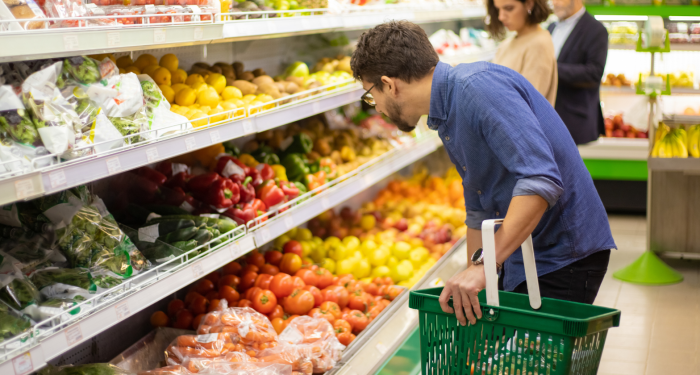
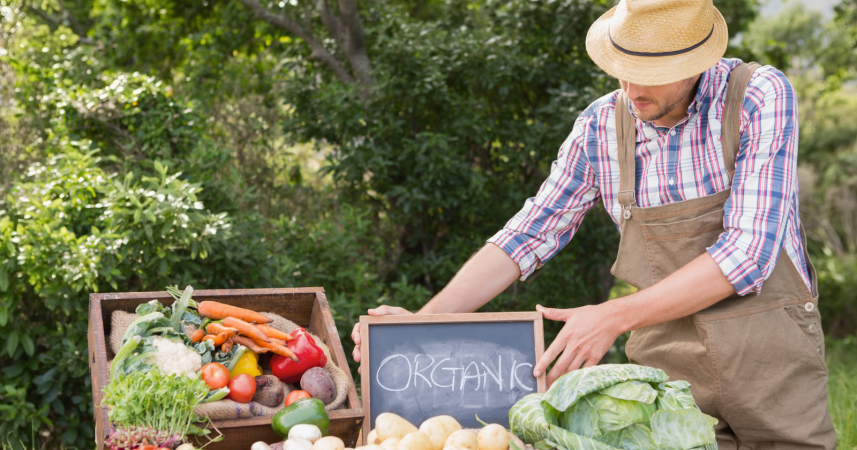
Last Saturday morning, I stood at the farmers' market booth where I volunteer, watching a young mother count out coins for a single bunch of organic kale that cost almost eight dollars. Behind her, a well-dressed couple casually loaded their canvas totes with heirloom tomatoes, artisanal cheese, and a twenty-dollar jar of local honey. The mother left with just the kale and two apples. The couple spent over a hundred dollars without blinking.
This scene plays out every week, and it perfectly captures what's been gnawing at me about the environmental movement. We've created a version of eco-friendly living that feels more like a luxury lifestyle brand than a sustainable future for everyone.
I think about this a lot because I straddle both worlds. Yes, I volunteer at that farmers' market. Yes, I cook elaborate vegan meals from scratch. Yes, I made the conscious choice to leave my finance career for work that felt more meaningful.
But here's what most lifestyle articles don't mention: I could only make these choices because I'd saved aggressively for three years while working in finance. For the first two years after leaving, I lived off those savings while building my writing career. Not everyone has that cushion.
The advice we give about living sustainably almost always assumes three things: disposable income, flexible time, and geographic privilege. Buy organic. Shop local. Invest in reusable products. Meal prep on Sundays. Compost your food waste. Drive a hybrid. Better yet, bike everywhere. These aren't just suggestions anymore; they've become moral imperatives wrapped in shame for those who can't follow them.
Consider what it actually takes to shop at a farmers' market. First, you need one nearby, which already excludes huge swaths of rural and urban America. Then you need to get there during limited hours, usually Saturday mornings when many people are working. And once you arrive? Well, it's not cheap.
Researchers have noted that "Low-income consumers tend to shop at farmers markets less frequently than their higher income counterparts, citing higher perceived price and limited access as barriers". It's not that they don't care about fresh, local food. They literally cannot afford it or reach it.
I see this disconnect everywhere. A friend recently criticized her sister for buying conventional strawberries at Walmart instead of organic ones from Whole Foods. "It's only a few dollars more," she said. But those few dollars matter when you're feeding three kids on a tight budget. That criticism assumes everyone has the same few dollars to spare, the same Whole Foods nearby, the same car to get there.
The time factor might be even more prohibitive than the money. Cooking from scratch, which every eco-conscious guide recommends, requires hours most working parents simply don't have. When I prepare my vegan meals, it's a creative outlet, almost meditative. But I have that luxury because I control my schedule now. When I worked seventy-hour weeks in finance? I ate takeout constantly, despite knowing it meant more packaging waste and processed food.
There's something particularly cruel about how we've positioned these choices as moral failings rather than systemic problems. The single parent buying processed food in plastic packaging isn't destroying the planet out of laziness or ignorance. They're managing impossible trade-offs between time, money, and survival. Yet our environmental discourse treats them as the problem while celebrating the person who can afford a Tesla and a backyard chicken coop.
I've been thinking about a woman I met recently who works two jobs to support her family. She told me she feels guilty every time she throws away a plastic water bottle, but her workplace doesn't have filtered water, and she can't afford a fancy filtration system for her apartment. She knows about microplastics. She cares about the environment. But her choices are constrained by circumstances beyond her individual control.
This gap between environmental ideals and economic reality creates what I can only describe as eco-classism. We've built a movement that primarily serves people who already have resources while making everyone else feel inadequate for not measuring up.
The unwelcoming environment part haunts me. We've somehow made caring about the planet feel exclusive, like a club with a steep membership fee. The farmers' market where I volunteer tries to accept SNAP benefits, but the process is complicated, and many vendors still only take cash. Even when we try to be inclusive, the systems aren't designed for it.
What would it look like if we redesigned environmental advice for people who can't shop at farmers' markets, who work multiple jobs, who live in food deserts? Maybe it would focus less on individual consumer choices and more on collective action for systemic change. Maybe it would acknowledge that the biggest environmental impacts come from corporate decisions and policy failures, not from whether someone can afford organic lettuce.
Real sustainability can't be a privilege. If our solutions only work for people with money, time, and access to farmers' markets, then they're not really solutions at all. They're just another way the wealthy can feel better about themselves while the planet continues to burn.
The mother with her eight-dollar bunch of kale was doing more with less than most of us ever will. She deserves environmental solutions that work for her reality, not judgment for falling short of an impossible standard. Until we figure that out, we're not really solving anything. We're just rearranging deck chairs on the Titanic, making sure the first-class passengers get the best view.