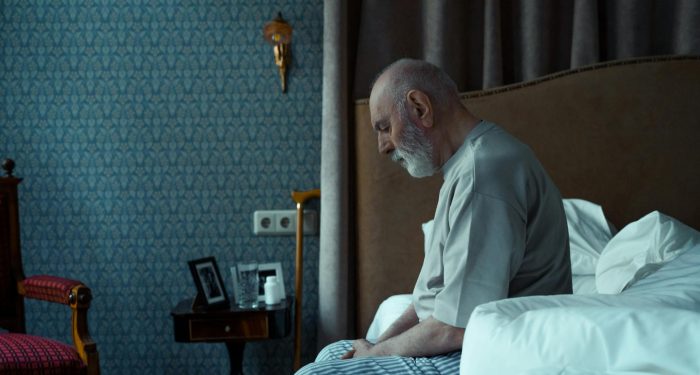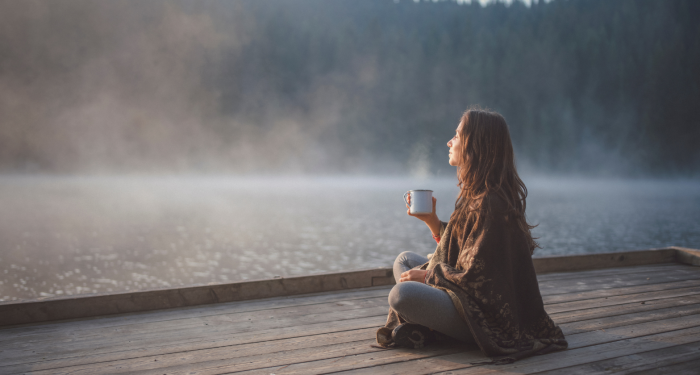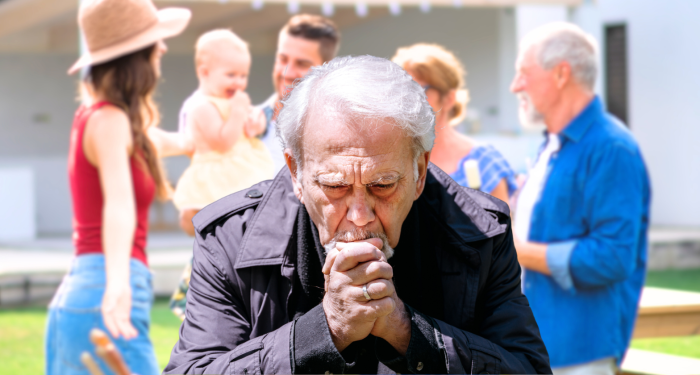


The message arrived at 11 PM on a Tuesday, from a cousin I hadn't heard from in years. "Still single?" she wrote, followed by a prayer hands emoji and "I'm worried about you." I stared at my phone in my Singapore apartment, feeling that familiar cocktail of irritation and self-doubt. Here I was, building businesses, […]
The message arrived at 11 PM on a Tuesday, from a cousin I hadn't heard from in years. "Still single?" she wrote, followed by a prayer hands emoji and "I'm worried about you."
I stared at my phone in my Singapore apartment, feeling that familiar cocktail of irritation and self-doubt. Here I was, building businesses, traveling the world, genuinely content with my life—yet somehow, my relationship status made me a subject of family concern.
As I shared in my YouTube video about the fear of being lonely when single:
I explored how society conditions us to believe happiness only exists within relationships. But after years of being single (I'm in a relationship now, but spent most of my adult life solo), I've discovered something counterintuitive: some people genuinely thrive better outside of traditional partnerships.
This isn't about being broken or bitter. It's not about fear of commitment or past trauma. Sometimes, being single isn't a waiting room for your "real" life to begin—it's the main event. And certain personality traits make this solo journey not just bearable, but preferable.
1. They have an unusually high need for autonomy
These aren't just independent people—they're individuals for whom autonomy feels like oxygen. The thought of checking in before making plans, negotiating weekend activities, or even sharing a Netflix account triggers a kind of existential claustrophobia.
I recognized this in myself during the years I spent living across different cities—London, New York, Bangkok, Ho Chi Minh City. I'd wake up and decide to explore a new neighborhood, chase a business idea across borders, or rearrange my entire week around a sudden spark of curiosity. The freedom to follow that curiosity without consultation wasn't just pleasant—it felt essential to my sense of self.
Dr. Bella DePaulo's research on "single at heart" individuals reveals this isn't selfishness—it's a fundamental orientation toward life. These people don't just want freedom; they need it to feel fully alive. Relationships, even healthy ones, require a level of coordination that feels like wearing shoes two sizes too small.
2. They find deep fulfillment in solitude
There's a difference between tolerating alone time and genuinely craving it. People who thrive single don't just handle solitude—they luxuriate in it like cats in sunbeams.
During my single years, Friday nights alone weren't consolation prizes. They were events I protected fiercely. The prospect of spreading out my work across the entire apartment, cooking elaborate meals for one, or spending six straight hours reading without anyone asking "what are you thinking about?" felt like winning the lottery.
Psychologist Bella DePaulo notes that for these individuals, solitude isn't empty space waiting to be filled—it's rich, textured time where their truest selves emerge. They're not avoiding connection; they're honoring their need for deep communion with their own thoughts.
3. They have unconventional life rhythms
Some people are built for the steady rhythm of partnership—shared dinners at 7, bedtime by 11, weekend routines that create stability. Others operate on jazz time, following creative spurts and energy waves that don't conform to coupled life's requirements.
I'll write until 4 AM when inspiration hits, then sleep until noon. I'll eat breakfast for dinner and dinner never. I'll work intensely for three weeks, then disappear for five days to reset. This isn't chaos—it's following an internal rhythm that partnership inevitably disrupts.
Dr. Elaine Aron's work on highly sensitive persons suggests that some individuals need to honor their unique rhythms to maintain psychological balance. For them, the compromises required in relationships don't feel like minor adjustments—they feel like fundamental betrayals of their nature.
4. They're extremely growth-oriented
These individuals treat personal development like Olympic training. They're constantly evolving, shedding old skins, pursuing new dimensions of understanding. And they do this best without the anchor of someone else's expectations.
During my deepest period of transformation—working with Rudá Iandê, dismantling old patterns, rebuilding my sense of self—I needed the freedom to become unrecognizable to my former self. In relationships, there's often subtle pressure to remain the person your partner fell for. But growth requires the freedom to disappoint old expectations.
Research by Dr. Carol Dweck on growth mindset reveals that some individuals need unlimited space for self-reinvention. They're not afraid of relationships—they're afraid of stagnation. And for them, solo life provides the laboratory for endless experimentation.
5. They have a low tolerance for emotional labor
This isn't about being emotionally unavailable—it's about recognizing that relationships require a type of emotional administration that exhausts them. The daily check-ins, the processing of someone else's moods, the constant attunement to another person's emotional weather—it depletes them in ways that sleep can't restore.
I used to think something was wrong with me. After a weekend with a romantic partner, even one I genuinely liked, I'd need three days of complete solitude to recover. It wasn't that I didn't care—it was that caring at that sustained level felt like running a marathon every day.
Dr. Arlie Russell Hochschild's research on emotional labor shows that some individuals have limited capacity for the emotional management relationships require. They can do it, but the cost is so high that the relationship's benefits never offset the depletion.
6. They experience love differently
These individuals often love deeply but differently. Their love doesn't require daily presence or conventional markers. They can hold someone in their heart while living on different continents, love someone fully while seeing them four times a year.
I've loved people powerfully while maintaining separate homes, separate lives, separate trajectories. The love was real, but it didn't translate to the desire for traditional partnership. This isn't commitment phobia—it's a different architecture of affection.
Anthropologist Helen Fisher's research on love styles reveals that some individuals experience what she calls "autonomous love"—deep connection that doesn't require constant proximity or traditional relationship structures. They're not broken; they're wired for a different kind of bonding.
7. They find meaning through solo purpose
Perhaps the most defining trait of people who thrive single is this: they derive their deepest sense of meaning from individual purpose rather than shared life.
When I look at the most fulfilling chapters of my life—founding Ideapod, co-creating The Vessel with Rudá Iandê, the intellectual obsessions that consumed years of study—these were solo pursno partner initiated or sustained. The meaning came from within, propelled by curiosity and a sense of mission that didn't require a witness.
Dr. Viktor Frankl's work on meaning-making suggests that some individuals find their "why" through personal creation rather than interpersonal connection. Their life's purpose is so consuming, so central to their identity, that a relationship can feel like a distraction from their reason for being.
This doesn't make them selfish or cold. It makes them honest about what fuels them.
The bottom line
If you recognize yourself in these traits, here's what I want you to know: there's nothing wrong with you. Society has created a hierarchy of lifestyles with coupled life at the top, but that hierarchy serves culture, not individuals.
Being better off single isn't a consolation prize or a phase. For some people, it's the truest expression of who they are. And honoring that truth—despite the midnight texts from well-meaning cousins—might be the most radical act of self-love available.
The goal isn't to be single or coupled. The goal is to be honest about what makes you come alive—and then have the courage to build your life around it.