At 70, I finally understand the profound difference between the crushing loneliness of my divorce at 28 with two toddlers and the liberating solitude of Saturday morning French toast with just myself for company—a revelation that took me through single motherhood, widowhood, and decades of stolen moments to fully grasp.
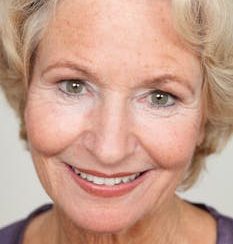
The café had that Saturday morning hush — the kind that smells like butter and espresso and whatever bread somebody pulled out of the oven an hour earlier. I was three bites into French toast I'd been thinking about for years when I looked up and caught the eye of a woman two tables over. She was alone too, a paperback folded back on itself beside her coffee. We smiled. That was all. But in that half-second we acknowledged something neither of us needed to say out loud: this was chosen solitude, not lonely solitude, and the difference is everything.
I'm 70. It took me most of those years to understand what that smile meant.
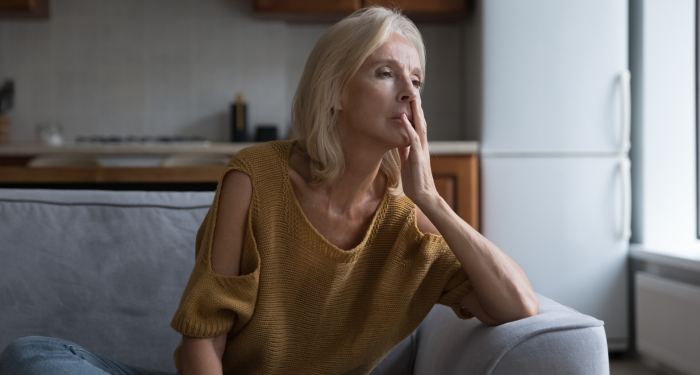
Because there's a particular kind of exhaustion that comes from being alone when you don't want to be, and I learned it at 28, when my first husband walked out, leaving me with two toddlers and a mortgage I couldn't afford. Those early years of single motherhood weren't about choosing solitude; they were about surviving it. I remember standing at my kitchen counter at 11 PM, eating cold leftover spaghetti straight from the container because sitting down to a proper meal felt like admitting something I wasn't ready to face. The house would be finally quiet, toys scattered like evidence of the day's small wars, and I'd think about how different this was from the family dinners I'd imagined when I was young and foolish enough to believe that love was enough.
During my 32 years teaching high school English, I became an expert at stolen solitude. Twenty minutes between classes, hiding in my car during lunch, grading papers in the empty classroom after everyone had gone home. But these weren't moments of restoration; they were moments of recovery. There's a difference between being alone to catch your breath and being alone to feed your soul.
The Weight of Other People's Eyes
Have you ever noticed how the world treats women who eat alone? In the 1980s, as a newly divorced mother in small-town Pennsylvania, I felt it acutely. Restaurant hosts would ask, "Just one?" with that particular inflection that made it sound like a failure. Well-meaning coupled friends would invite me to dinner parties where I'd inevitably be seated next to their recently divorced brother-in-law or widowed neighbor, as if my solitude was a problem requiring an urgent solution.
So I stopped going out. I ate at home, where no one could pity me or try to fix me. For years, I convinced myself this was easier, but what I was really doing was making myself smaller, taking up less space in the world because I didn't have a partner to justify my presence.
The irony is that teenagers see everything. My students knew when I'd been crying in my car during prep period. They noticed when I wore the same dress three days running because payday was still a week away. But they also saw when I stood up to the principal who wanted to cut our creative writing elective, and when I stayed after school to help struggling readers even though no one was paying me extra. They taught me, without meaning to, that being seen wasn't the enemy I'd made it out to be.
Learning to Be Alone Together
My second husband appeared in my life when I was 43, at a school fundraiser auction where I accidentally outbid him on a weekend getaway I definitely couldn't afford. He thought it was hilarious. For the next 25 years, he showed me a different kind of togetherness, one where solitude could exist within partnership.
We'd sit in the same room for hours, him with his crossword, me with my novel, perfectly content in our separate worlds that somehow shared the same orbit. Even during the seven years of his Parkinson's, when simple tasks became mountains to climb, we maintained our morning ritual of quiet breakfast together. The silence between us was never empty; it was full of all the words we no longer needed to say.
When he died two years ago, that fullness became a vacuum. For six months, I couldn't eat breakfast at all. The empty chair across from me screamed louder than any sound.
The Revolution of Choice
Virginia Woolf wrote, "How much better is silence; the coffee cup, the table. How much better to sit by myself," and at 70, I finally understand what she meant. But it took my widows' support group to show me the way back to myself.
Five of us, all grieving husbands lost within recent years. We started meeting for coffee, which became lunch, which became our weekly dinners. One evening, Margaret announced she'd gone to see a movie alone for the first time in 47 years. "I even bought popcorn," she said, triumphant as a child who'd learned to ride a bike.
That night, I made a list of everything I'd never done alone: eat at a nice restaurant, attend a concert, sit at a bar, take a vacation. At 69, I started checking them off. The first restaurant dinner was terrifying. I brought three books and my phone, constructing a fortress against the possibility of looking pathetic. But somewhere between the soup and the salmon, I realized nobody was looking at me at all. The young couple beside me was deep in wedding planning drama. The businessman across the way was managing some crisis via phone. And I was just... eating. Reading. Existing. It was revolutionary.
What My Grandchildren Are Teaching Me
My four grandchildren find their grandmother's "solo adventures" endlessly amusing. My eight-year-old granddaughter recently asked, "Grandma, why do you go on dates with yourself?" Before I could answer, she added, "Is it because you're your own best friend?" Out of the mouths of babes.
But I see her watching, filing away this possibility that a woman can choose her own company and find it sufficient. My 22-year-old granddaughter sent me a photo last week of herself reading alone at a coffee shop. "Following your lead," she texted. "It's actually really peaceful." This is the legacy I couldn't have imagined during those overwhelmed years of single motherhood: that choosing solitude would become a gift I could pass on.
What strikes me now is how different this lesson is from the one my mother's generation taught. She rarely had a moment alone with four daughters and a husband who worked long hours. I wonder sometimes if she craved solitude, if she would have chosen it given the chance. She died before I could ask her, but I think about her when I'm gardening alone in the morning quiet, wondering if this peace is something she dreamed about while cooking for six.
The Community of the Contentedly Alone
Here's what nobody tells you about chosen solitude: it creates its own fellowship. That woman at the café last Saturday? We didn't need to exchange words to exchange understanding. At the library, I nod to the same gentleman reading newspapers in his corner spot. During evening walks, I wave to the woman with the ancient beagle who moves at the same pace as my replacement knees. We are a quiet congregation, those of us who've learned that alone doesn't mean lonely.
The volunteer work I do now flows from this well of solitude I've learned to tend. Teaching resume writing at the women's shelter, tutoring adults learning to read, serving on the library board—I can give more freely because I'm not pouring from an empty vessel. The morning hours with my journal, the afternoon reading sessions, the evening walks where I catalog which neighbors have started their Halloween decorating—these fill me enough that I have something to offer others. Even my supper club, those five wonderful women who've outlived marriages or husbands, represents a different kind of gathering. We come together not from desperation but from abundance, sharing stories and laughter because we want to, not because we need to fill an unbearable silence.
The Sacred Ordinary of Aging Alone
Do you know what freedom looks like at 70? It's waking at 5:30 AM because you want that hour of silence with your tea, not because you have to pack lunches or grade papers. It's spending an entire afternoon reading without once thinking about what you "should" be doing instead. It's taking piano lessons at 67 despite arthritis that makes Chopin feel like climbing Everest, because you can, because you want to, because there's nobody to tell you it's impractical.
Last Monday, making soup from the week's vegetable remnants, I thought about all the Monday soups I've made over the decades. The ones cobbled together when money was tight and creativity was all I had. The ones my children complained about. The ones my second husband praised even when they were terrible. Now I make soup for myself, seasoning it exactly how I like it, eating it in my sunroom while watching the birds at the feeder. The ritual remains; the reason has transformed.
This is what I've learned: chosen solitude is one of the great gifts of aging. After decades of solitude imposed by circumstance—divorce, widowhood, geography, economics—the ability to choose it feels like winning a prize you didn't know you were competing for. The difference between exile and retreat is who holds the key.
An Invitation to Your Own Table
My knees, rebuilt at 65 and 67, remind me daily that time is not infinite. My hands, gnarled with arthritis, struggle with jar lids and sometimes with holding a pen. But they work well enough to write this invitation: take yourself somewhere you've been meaning to go. Order what you actually want, not what's sensible or on special. Bring a book if you need armor, but don't be surprised if you never open it.
Look around at the others who are alone. Some will be lonely—you can tell by the way they check their phones like life preservers. But others will be like that woman at the café, like me, contentedly absorbed in their own company. Exchange that smile of recognition if your eyes meet. Join our quiet revolution.
Chosen solitude isn't selfish or sad. It's the radical act of enjoying your own company in a world that insists you're incomplete without another person across the table. It's the culmination of years of learning that you are enough, that your thoughts are interesting, that your presence alone justifies taking up space in a charming café on a Saturday morning.
I think about my students often, especially the ones who struggled, who ate lunch alone in the library, who seemed to shrink from visibility. I hope somewhere, one of them is sitting alone at a restaurant, completely at peace, understanding finally that solitude can be a sanctuary rather than a sentence. I hope they've learned what took me 70 years to understand: the difference between being alone and being lonely is choice.
Final Thoughts
Last Saturday at that café, finishing my French toast while the morning sun painted patterns on my table, I decided to make this a weekly tradition. Same table if I can get it, same time, same book in my bag that I may or may not read. A standing date with myself, no cancellations accepted.
The woman two tables over left before I did, gathering her book and cardigan with unhurried movements. She smiled again as she passed, and I watched her cross the street in the slanting light, in no hurry at all.
Outside the window, the wisteria was blooming. My coffee had gone lukewarm in its cup. I picked it up anyway, turned the page of my book, and kept reading.