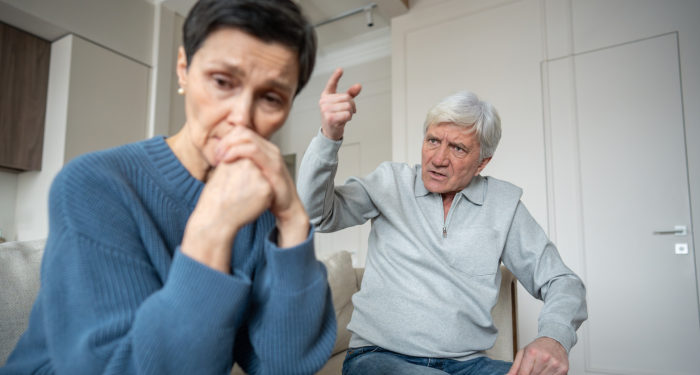
After decades of constant motion, she discovered that retirement's deepest challenge wasn't boredom or purposelessness, but the sudden, overwhelming arrival of every thought and feeling she'd been too busy to process for thirty-two years.
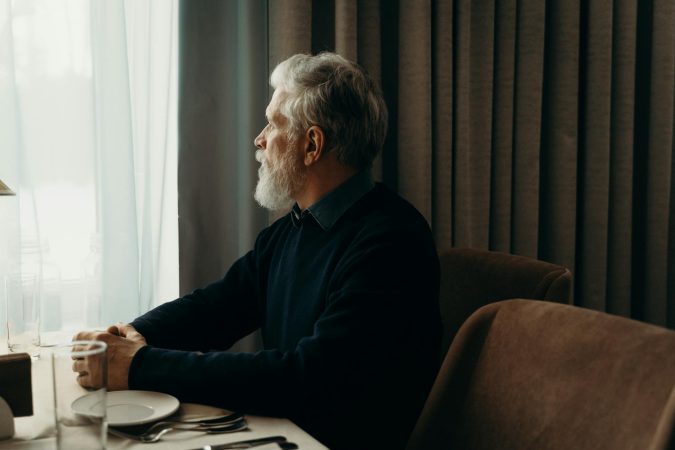
5:30 on a Wednesday morning, six months into retirement, and I am sitting in my sunroom with tea cooling between my palms when the thought arrives uninvited. The morning they told me my creative writing elective was being cut. I had stood in my empty classroom, fingertips on chalk dust, telling myself it was about the budget.
It wasn't about the budget.
The house is silent in that particular way that only comes after decades of noise, a silence so complete it has weight, texture, presence. And in that silence, sitting with nothing but time and honesty for company, I understand it differently. That wasn't about money at all. It was about how I'd tied my entire sense of worth to that room, to those students, to being the teacher who made them care about words. The mind keeps perfect records, even when we're too busy to notice it's taking notes. For thirty-two years, while I rushed between parent-teacher conferences and grocery runs, while I graded essays until my eyes burned and fell asleep with a red pen still in my hand, my thoughts were quietly filing away everything I didn't have time to process. They waited, patient as stones, knowing that someday I would stop moving long enough to find them.
This is what they don't tell you about retirement. They warn you about the loss of routine, the challenge of finding purpose, the importance of staying active. Nobody mentions that you'll suddenly have access to every thought you've ever deferred, and they'll all want their turn at once. It's like opening a door you've held closed for decades and finding a crowd on the other side, each person holding something you dropped while running past.
Some mornings, the thoughts arrive gently. I'll be gardening, and suddenly I'm watching my hands. My mother's hands now, arthritis bending the same fingers in the same directions. And then I'm remembering her in her own garden, pulling beauty from difficult soil. Three generations of women live in these hands. The lines on my knuckles match hers exactly. The way my thumb catches when I grip the trowel is the same way her thumb caught when she gripped her wooden spoon. When I was teaching, racing between classes with knees that screamed their objection, I didn't have time to notice that I was becoming her. Now I have nothing but time, and the recognition is both gift and grief.
But other mornings, the thoughts come with edges. The memory of missing my son Daniel's college graduation surfaces with a clarity that makes my chest tight. For years, I told myself the plane ticket was the barrier. Single mother, teacher's salary, you understand. But now, in the unforgiving light of retirement's honesty, I see I was also terrified of feeling small among all those educated parents, afraid my degree would show, afraid someone would ask what I did and "high school teacher" would sound insignificant. I was always so busy surviving that I never stopped to examine what I was surviving from.
The hardest truth lives as a constant ache: I leaned too hard on Daniel when his father left.
Made him the man of the house when he was just a boy. Asked him to be my anchor when I should have been his. For decades, this knowledge lived as a dull pain beneath lesson plans and parent conferences, something I could ignore as long as I kept moving. Now it sits across from me at the breakfast table every morning, demanding acknowledgment. I write him letters I'll never send, adding them to a box beneath my bed. Apologies that would only transfer my burden to him.
My second husband appears in these morning reckonings too. Not the man who declined through seven years of Parkinson's, though I sit with those memories as well. But the one who bid against me at that school fundraiser auction, who loved through small gestures I was too guarded to recognize at first. Our fifth year, when we went to counseling, I was ashamed then, saw it as failure. Now I understand it differently. It was the first time I'd fought to keep something instead of just surviving its loss.
The pandemic taught everyone about collective loneliness, the kind where isolation becomes universal. But retirement loneliness is different. It's singular, personal. It's the loneliness of discovering that while you were grading papers until midnight, raising children alone, sitting in your car after parent-teacher conferences crying from the weight of other people's pain, your thoughts were keeping detailed records. Every feeling you had to postpone because there was laundry to do and children to feed was carefully preserved, waiting.
I started writing essays at my friend's insistence. She said my stories mattered, but that's not why I write. I write because the thoughts need somewhere to go, because thirty-two years of deferred processing demands witness. The pages fill with things I've never said aloud: how I knew my first marriage was over years before he left but couldn't admit it even to myself. How I still dream about the student who killed himself, wondering what sign I missed. How I used to hide in the bathroom while my toddlers banged on the door, praying for just five minutes of quiet. Now I have hours of it, days of it, and I've discovered that solitude and loneliness are different countries with an unmarked border.
When my grandchildren visit, the loneliness reshapes itself into something else: purpose, joy, the familiar rhythm of being needed. But after they leave, the thoughts return doubled, bringing memories of my own children at those ages, all the moments I was too stressed to fully inhabit. I bake bread now, every Sunday, kneading it the way I wished I had then, when they were small and I was buying day-old loaves to save forty cents.
The hiking group helps. The widow's support group helps. The weekly supper club helps. But they're intermissions, not solutions. Because this loneliness isn't about being alone. I'm surrounded by friends, activities, volunteer work. It's about the peculiar isolation of finally having time to meet yourself, all your selves, the ones you were too busy to acknowledge when they were happening.
Final thoughts
At 70, I sit in my sunroom most mornings and wait to see who arrives. Some days it's my mother's hands. Some days it's Daniel at eight years old, holding the door for me when I came home crying. Some days it's the student whose name I still whisper into the dark.
I don't know if this ever gets easier. The books on retirement promise stages, arrival points, a settling. What I have instead is a sunroom, a cup of tea going cold, and a queue of thoughts that does not seem to be getting any shorter. Tomorrow there will be new ones, old memories dressed in fresh understanding. The loneliness will be there too. I am not its companion yet. I am not sure I ever will be. I only know that I am the one who finally stopped moving long enough to be found.